











Why Move-Up Buyers Love New Construction in 2026
At some point, a house that once felt perfect just… doesn't anymore.
Maybe you need more space. Maybe working from home turned your dining room into a permanent office. Maybe the layout just doesn't match how you live now.
If your current house is starting to feel like it's holding you back instead of supporting your life, it's natural to think about making a move. But that brings up the next big question: once you sell, where do you go?
For a growing number of buyers, the answer is something brand new.
New Construction Is Having a Moment
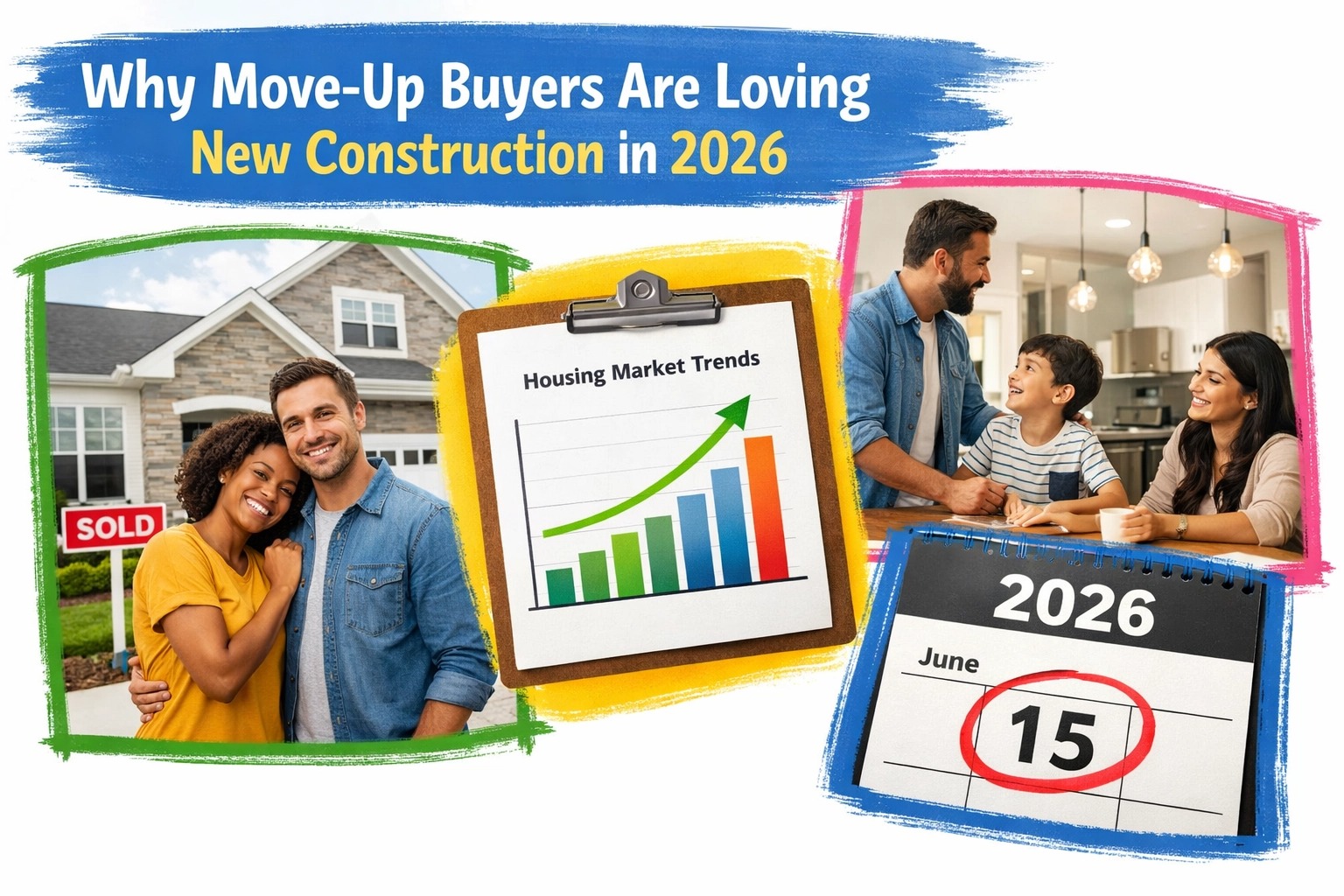
According to the National Association of Realtors (NAR), more people are buying new homes than they have in years. The latest annual data available shows 16% of homes purchased were newly built, the highest share of new home purchases in almost two decades.
But here's what's really interesting: for the first time in decades, new homes have become competitive with or even cheaper than resale homes. The median resale home price is now actually more expensive than the median newly built home, a situation that's only happened two or three times in the past few decades.
That shift is changing the game for move-up buyers.
Why New Construction Makes Sense Right Now
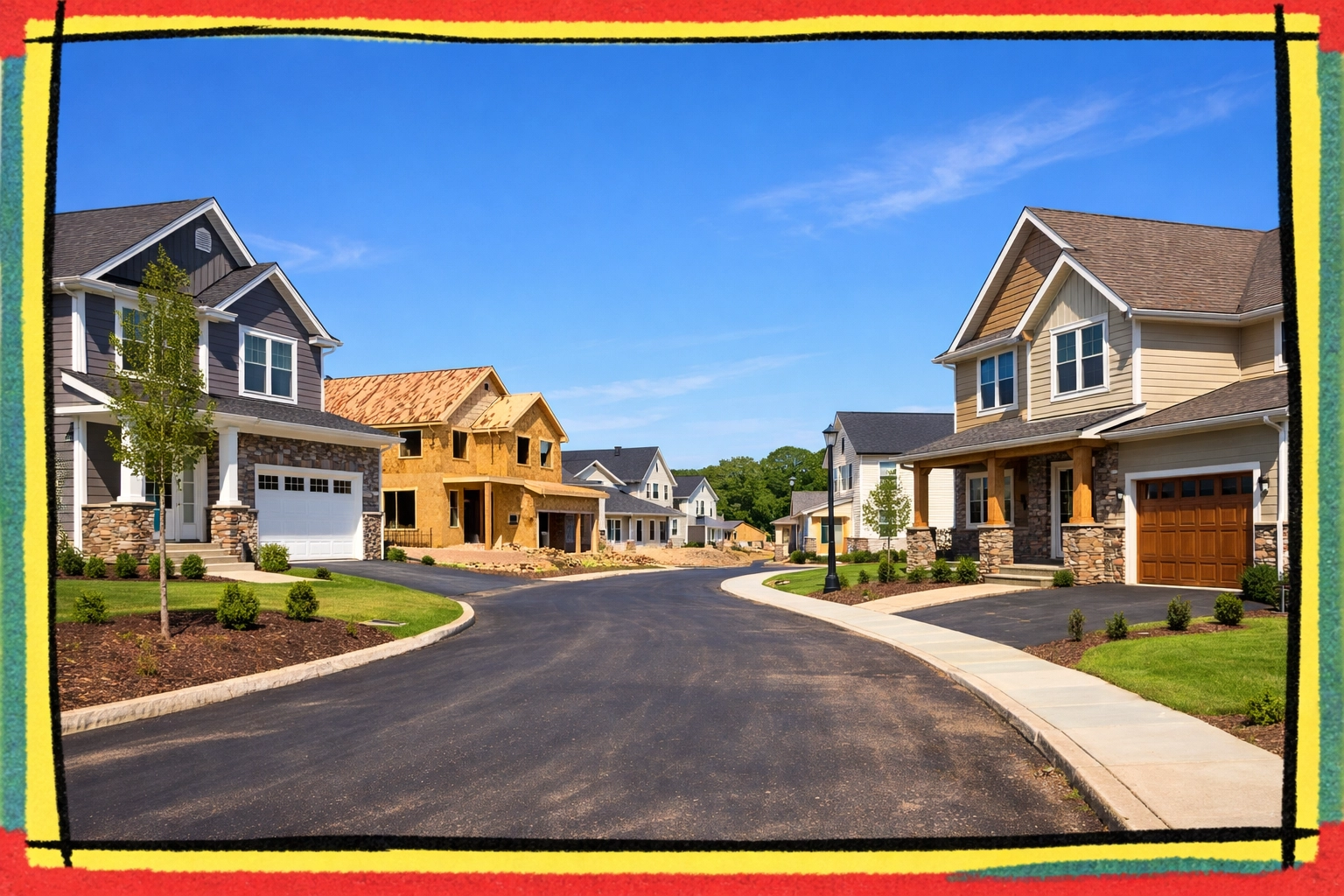
For many buyers, especially those looking to upgrade, new construction isn't just about getting a prettier house. It's about lifestyle, convenience, and actual financial advantages that didn't exist a few years ago.
Everything Is Brand New
You're not inheriting someone else's projects. No wondering how old the roof is. No budgeting for a new HVAC system right after move-in. No big surprises when the previous owner's patch job fails.
For move-up buyers who've been dumping money into updating their current house, that peace of mind is huge. Modern building codes also mean better energy efficiency, which translates to lower utility bills down the road.
Builder Incentives Are Real
Here's where it gets interesting. Because there are more new homes on the market than usual, about 20% above last year's levels, builders are motivated to sell what they have.
That means they're offering real incentives: mortgage rate buydowns that lower your rate for the first two or three years, closing cost assistance, upgraded appliances, or premium finishes at no extra charge. These aren't small perks, they can save you thousands and make monthly payments more manageable.

You Can Actually Customize
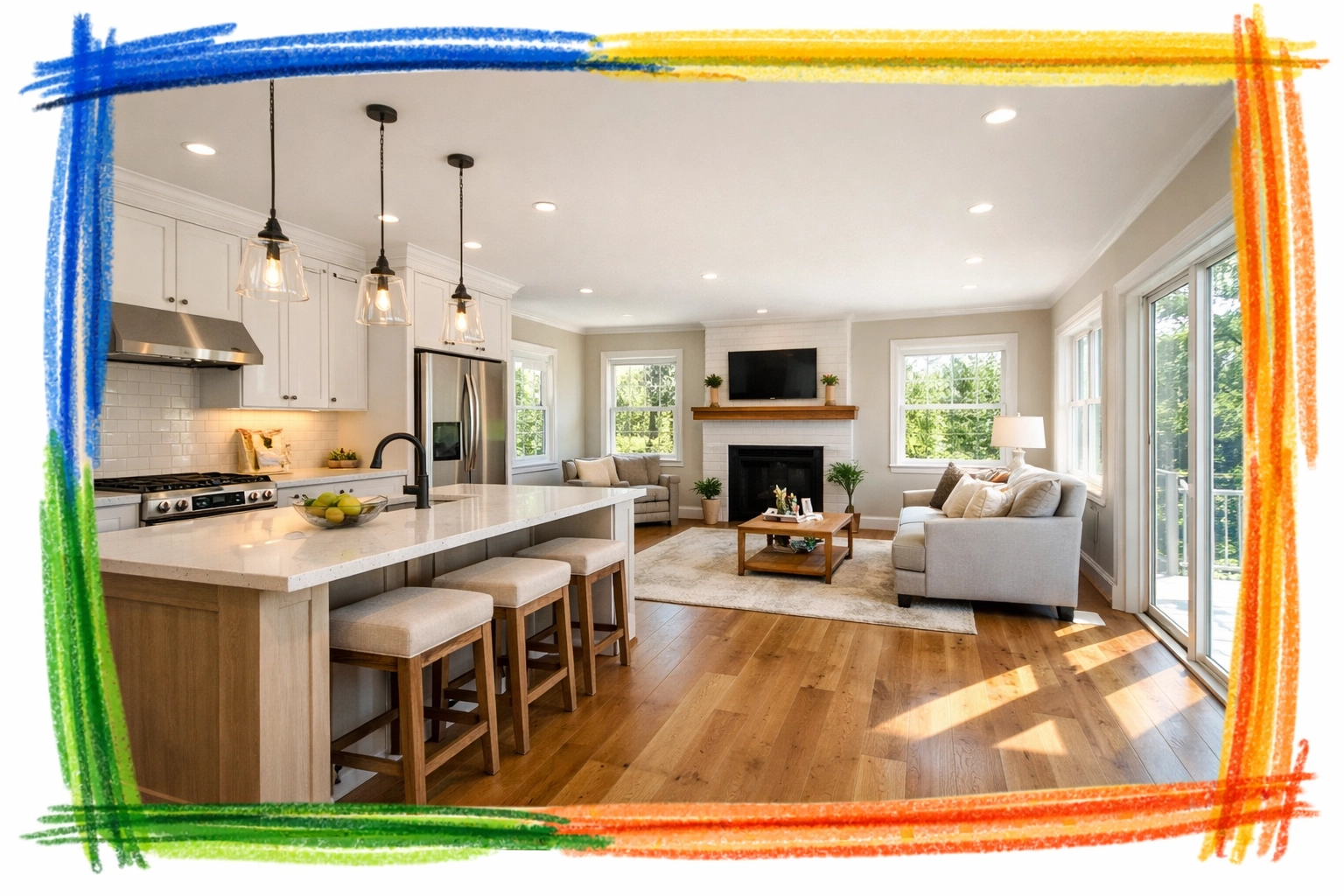
If you choose a home that's still under construction, you could have the chance to pick the flooring, counters, cabinets, hardware, lighting, and so much more.
That level of personalization is a draw for move-up buyers who've been wanting specific features for years. Instead of buying someone else's taste and spending money to change it later, you get to hand-pick the finishes you actually want.
Designed for How People Live Today
Most new construction homes are built to current building standards and buyer preferences. That means built-in smart home features, better layouts, more storage, and floor plans that actually make sense for modern living.
If your current layout just isn't working, maybe you need a home office, a mudroom, or an open concept for family gatherings, you're more likely to find exactly what you need in a new home.
Clear Pricing and Negotiating Power
With higher inventory levels, buyers have more options and more leverage. New construction offers transparent pricing alongside clear incentives, which is a big difference from the more competitive and uncertain resale market.
You're not competing with multiple offers or wondering if there are hidden problems. You know what you're getting, what it costs, and what incentives are available.
Community Amenities
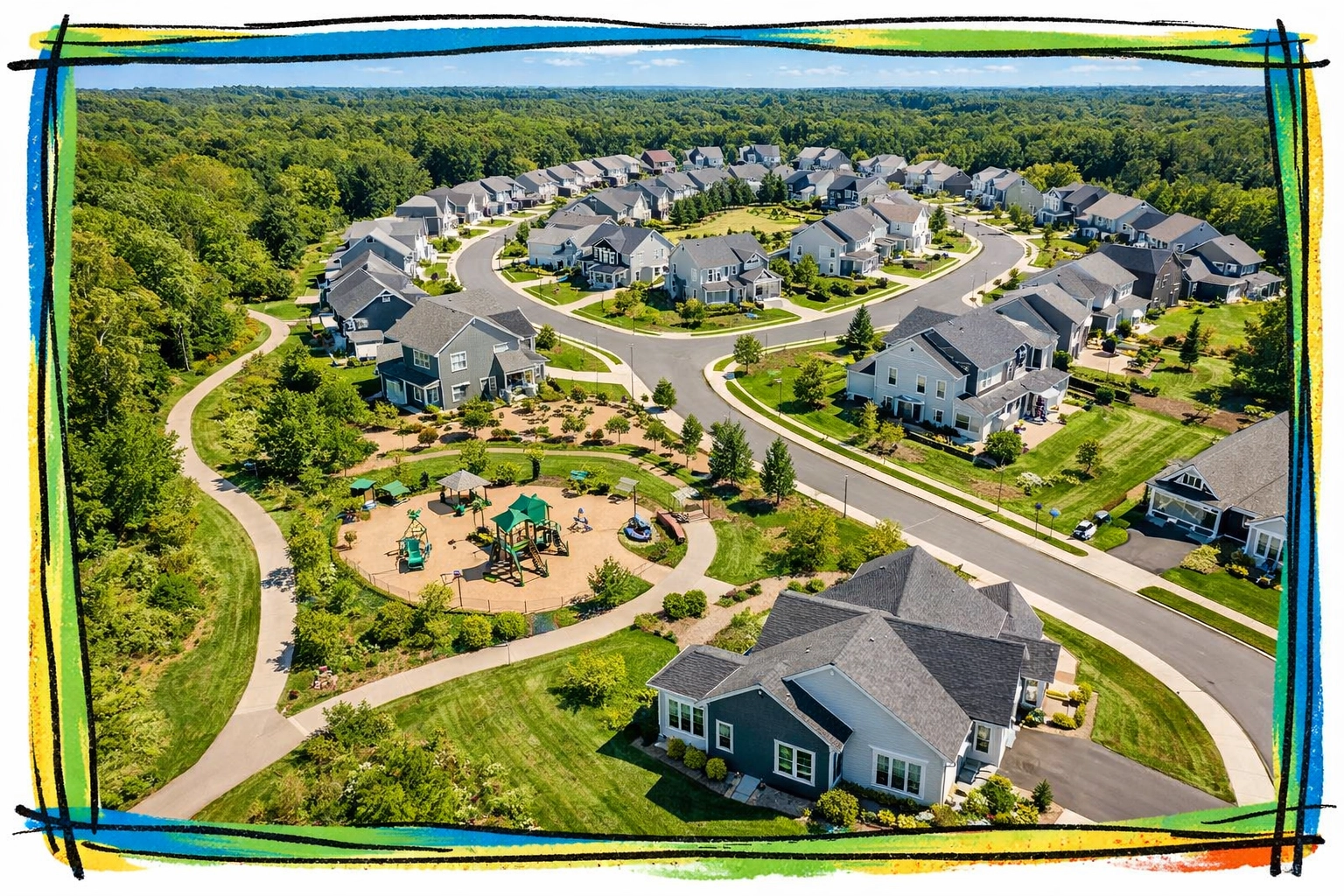
New developments often include shared spaces like walking trails, parks, playgrounds, pools, or even gyms. For families and active households, that's a big bonus to have just a few steps from your front door.
These amenities can also add to your home's long-term value and make the neighborhood more attractive when it's time to sell again down the road.
What to Consider Before You Buy New
New construction isn't perfect for everyone. Here are a few things to keep in mind:
Timeline: If you need to move immediately, new construction might not work. Even "move-in ready" homes can have unexpected delays.
Location: New developments are often on the outskirts of town. Make sure you're okay with the commute and nearby amenities before you commit.
HOA Fees: Many new developments come with homeowners association fees. Factor those into your monthly budget.
Landscaping: Your yard might be dirt for the first year. Landscaping costs can add up if you want mature trees or a finished outdoor space.
How to Get Started
If you're curious whether new construction might be a fit, start by talking to a local real estate agent who knows the market. They can help you compare new construction options with resale homes in your price range and make sure you're getting the best deal.
Look at multiple builders and developments. Compare incentives, quality, and what's included in the base price versus upgrades.
And don't skip the home inspection, even on brand-new construction. You want to catch any issues before closing.
Call me at 860-985-4363 or visit melindatherealtor.com for a free consultation. Never too busy for you to be my #1 client.
The Bottom Line
If your current house isn't meeting your needs anymore, don't assume your only choice is an existing home. New construction is becoming a real contender in 2026, especially for move-up buyers who want space, features, and a home that works for how they live now.
With price parity, builder incentives, and more inventory on the market, it's worth exploring whether a brand-new home could be your next move.
Frequently Asked Questions
Is new construction really cheaper than resale homes right now?
In many markets, yes. The median newly built home is now competitive with or even less expensive than the median resale home, which hasn't happened in decades. Builders have been offering price cuts and incentives to move inventory.
What kind of incentives do builders offer?
Common incentives include mortgage rate buydowns (lowering your rate for the first 2-3 years), closing cost assistance, upgraded appliances, premium countertops or flooring, and sometimes even structural upgrades at no extra charge.
Can I negotiate on a new construction home?
Yes, especially with higher inventory levels. Builders are more willing to negotiate on price, upgrades, and incentives than they were a few years ago when demand was sky-high.
How long does it take to build a new construction home?
It depends. Move-in ready homes are available immediately. Homes under construction can take 3-6 months or longer depending on the builder and any customizations you choose.
Do I need a real estate agent for new construction?
Yes. A buyer's agent can negotiate on your behalf, review contracts, recommend inspections, and make sure you're getting the best deal. And it doesn't cost you anything: the builder pays the commission.
Should I get a home inspection on new construction?
Absolutely. Even brand-new homes can have issues. A third-party inspection before closing protects you and gives you leverage if something needs to be fixed.
Sources
National Association of Realtors (NAR) – New Construction Share & Buyer Trends
https://www.nar.realtor/research-and-statistics
Confirms the rising share of newly built homes purchased (≈16%) and shifting buyer preferences toward new construction.Realtor.com – New vs. Existing Home Price Trends & Builder Incentives
https://www.realtor.com/research
Tracks median price comparisons between new and resale homes plus builder incentive trends and inventory increases.Zillow Research – New Construction Market & Price Parity Data
https://www.zillow.com/research
Supports analysis showing new construction becoming price-competitive with existing homes and broader housing supply trends.National Association of Home Builders (NAHB) – Builder Incentives & Inventory Levels
https://www.nahb.org/news-and-economics
Primary industry source on builder inventory levels, sales incentives, rate buydowns, and new-home supply conditions.U.S. Census Bureau – New Residential Construction Statistics
https://www.census.gov/construction/nrc
Official federal data on new-home construction volume, completions, and supply levels supporting market-share claims.