












What If My Home Doesn't Sell in Connecticut?
Watching your home sit on the market week after week can feel incredibly stressful. You're not alone: even in Connecticut's competitive real estate market, some homes take longer to sell than expected. The good news? There are proven strategies to get your property moving, and plenty of options if traditional listing methods aren't working.
Let's dive into practical solutions that can help you successfully sell your Connecticut home, no matter how long it's been on the market.
Why Some Connecticut Homes Don't Sell
Understanding why your home isn't selling is the first step toward fixing the problem. According to the National Association of Realtors, the most common reasons homes don't sell include overpricing, poor presentation, limited marketing exposure, and timing issues.

Pricing Problems: Even though Hartford leads major metros with 66.4% of homes selling above asking price, overpriced properties still struggle. If your home is priced 10-15% above comparable sales, buyers will simply look elsewhere.
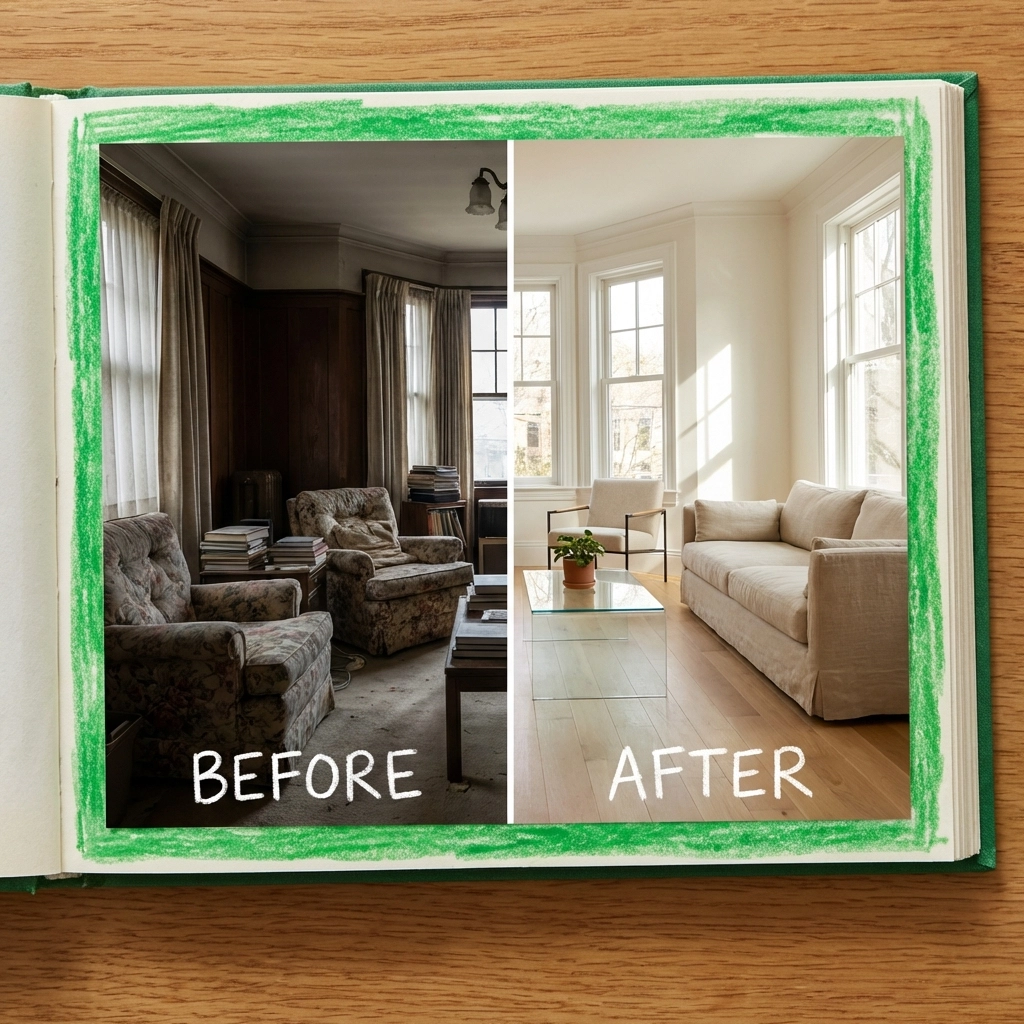
Presentation Issues: Buyers form opinions within seconds of seeing your home. Cluttered spaces, outdated décor, or maintenance issues can turn potential buyers away before they've even toured the entire property.
Limited Marketing Reach: In today's digital world, 97% of home buyers start their search online, according to the National Association of Realtors. If your listing isn't getting maximum exposure across multiple platforms, you're missing potential buyers.
Market Timing: Seasonal factors affect buyer behavior. Connecticut typically sees slower activity in winter months, while spring and early summer bring increased buyer interest.
Proven Strategies to Get Your Home Sold
Reassess Your Pricing Strategy
Market conditions change, and so should your pricing. Request a fresh Comparative Market Analysis (CMA) from your agent to see how your home compares to recently sold properties and current competition.
Consider a strategic price reduction rather than small, incremental drops. A 5-10% price reduction often generates renewed interest and can lead to multiple offers, potentially getting you closer to your original asking price.
Enhance Your Home's Appeal
Deep Clean and Declutter: Remove personal items and excess furniture to help buyers envision themselves in the space. Professional staging can increase your sale price by 1-5%, according to the Real Estate Staging Association.
Address Maintenance Issues: Fix squeaky doors, replace burnt-out bulbs, and touch up paint. These small improvements signal to buyers that the home has been well-maintained.
Improve Curb Appeal: First impressions matter. Simple landscaping, a fresh front door, and clean windows can make a significant difference in buyer interest.
Expand Your Marketing Efforts
Professional Photography: High-quality photos are essential. Homes with professional photography receive 118% more online views than those with amateur photos, according to research from Redfin.
Virtual Tours and Video: Especially important in Connecticut's competitive market, virtual tours allow out-of-state buyers to seriously consider your property before scheduling in-person visits.
Social Media Marketing: Your agent should be promoting your listing across multiple social media platforms to reach different buyer demographics.
Optimize Showing Availability
Make your home available for showings during peak times, including evenings and weekends. Consider offering flexible showing times or even allowing self-guided tours with proper security measures.
Alternative Selling Options in Connecticut
If traditional listing methods aren't working, don't panic. Connecticut sellers have several alternative options that might better suit their situation.
As-Is Sales
Selling "as-is" means you're not making any repairs before closing. This option appeals to investors and buyers looking for renovation projects. While you might receive lower offers, you'll save on repair costs and potentially close faster.
Cash Buyers and iBuyers
Cash buyers can close quickly, often within 2-3 weeks. While cash offers are typically 5-10% below market value, they eliminate financing contingencies and provide certainty of closing.

Rent-to-Own Arrangements
This strategy allows potential buyers to rent your property with an option to purchase later. It's particularly effective in areas with strong rental demand, which Connecticut has in many markets.
Owner Financing
Offering owner financing can attract buyers who might not qualify for traditional mortgages. You act as the bank, potentially earning interest income while facilitating the sale.
When to Pivot Your Strategy
Consider Relisting
If your home has been on the market for more than 60-90 days without serious interest, consider taking it off the market briefly and relisting with improvements. This removes the "stale listing" stigma and generates renewed attention.
Change Agents
Sometimes a fresh perspective helps. If your current agent isn't communicating effectively or providing innovative marketing strategies, it might be time to interview new representation.
Convert to Rental Property
If you're not in a rush to sell and the property can generate positive cash flow, consider renting it out temporarily. Connecticut's rental market remains strong, particularly near major employment centers and universities.

Timing Considerations
Market timing affects sale success. If you listed during slow season (typically November through February in Connecticut), consider waiting for spring market activity to increase.
Financial Considerations and Next Steps
Carrying Costs
Calculate your ongoing expenses including mortgage payments, property taxes, insurance, and maintenance. Understanding these costs helps determine how long you can afford to wait for the right buyer.
Tax Implications
Consult with a tax professional about potential implications of different selling strategies. Some alternative selling methods may have different tax consequences than traditional sales.
Professional Guidance
Real estate transactions involve complex legal and financial considerations. Working with experienced professionals: including realtors, attorneys, and tax advisors: ensures you make informed decisions that align with your goals.
Frequently Asked Questions
How long should I wait before changing my strategy?
Most experts recommend reassessing your approach after 30-45 days if you haven't received any serious interest or offers.
Will taking my home off the market hurt future selling prospects?
Not if done strategically. A brief break allows you to make improvements and relist with renewed marketing energy.
Should I consider selling during Connecticut's slower winter months?
While spring typically brings more buyers, motivated buyers shop year-round. Winter listings often face less competition.
How do I know if my asking price is realistic?
Your agent should provide regular market updates showing how your home compares to recent sales and current competition.
What if I owe more on my mortgage than my home is worth?
You might qualify for a short sale, where the lender accepts less than the mortgage balance. This requires lender approval and professional guidance.
Don't let a slow-selling home discourage you. With the right strategy, professional guidance, and sometimes a little patience, you can successfully sell your Connecticut property. Call me at 860-985-4363 or visit melindatherealtor.com for a free consultation. Never too busy for you to be my #1 client.
Sources
National Association of Realtors. "2024 Profile of Home Buyers and Sellers." https://www.nar.realtor/
Real Estate Staging Association. "Staging Statistics and Research." https://www.realestatestagingassociation.com/
Redfin Research. "The Impact of Professional Photography on Home Sales." https://www.redfin.com/