







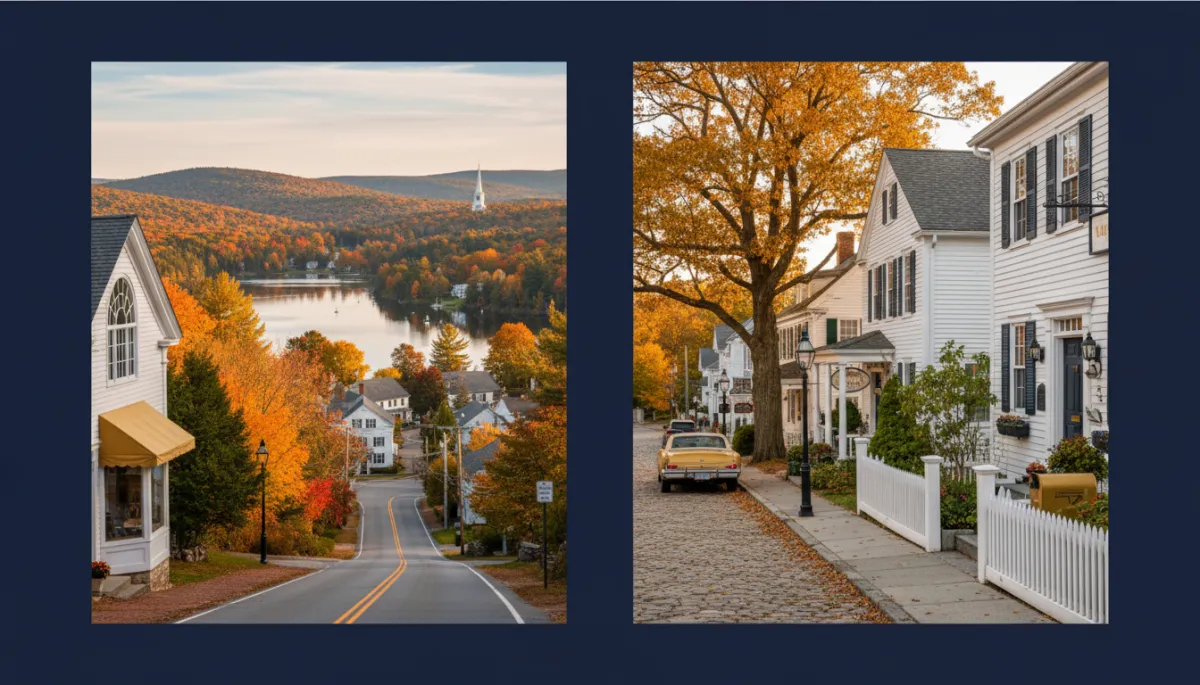
Western Connecticut & Litchfield Hills Real Estate Guide
Western Connecticut & Litchfield Hills Living Guide: Melinda Walencewicz eXp Realty
Thinking about a move to Western Connecticut or the Litchfield Hills in 2026? This guide walks you through the communities, lifestyle, and real estate trends shaping one of New England’s most sought-after regions.
Community and Real Estate Reference Information by Melinda Walencewicz eXp Realty
1. Why Western Connecticut and the Litchfield Hills Are Attracting Buyers in 2026
Western Connecticut has long been a favorite weekend escape, but in 2026 it’s firmly on the map as a primary home destination. The Litchfield Hills, with their rolling countryside, historic greens, and winding back roads, offer something many buyers feel they’ve been missing: space, character, and a slower pace of life that’s still connected to major cities.
More buyers from New York City and the broader metro area are choosing this region for its value and lifestyle. They’re trading cramped apartments and long city commutes for larger homes, yards, and access to nature, while keeping reasonable access back to the city when needed. Western Connecticut’s distinctive blend of rural charm, historic villages, and four-season outdoor recreation makes it especially appealing to remote workers, move-up buyers, and retirees looking for a fresh chapter.
2. Town‑by‑Town Real Estate Snapshot for 2026
While every property is unique, it helps to have a ballpark sense of prices as you start planning. Here’s a quick snapshot of three representative Western Connecticut communities and their approximate median home prices in 2026.
Town 2026 Approx. Median Home Price Lifestyle Snapshot New Milford, CT ≈ $445,000 Largest town in Litchfield County, vibrant green, riverfront, and shopping Kent, CT ≈ $685,000 Upscale village, art galleries, hiking, and scenic rural estates Thomaston, CT ≈ $320,000 Historic mill town feel, more budget‑friendly entry point to the region
New Milford’s approximate median of $445,000 in 2026 reflects its role as a regional hub with a broad mix of homes, from in‑town colonials to country properties. Kent, with an approximate median around $685,000, tends to command higher prices thanks to its scenic river valley setting, strong second‑home demand, and limited inventory. Thomaston, at roughly $320,000, offers a more attainable price point while still providing easy access to the rest of Litchfield County and the Naugatuck Valley.
📌 Key Takeaway: Within a relatively small geographic area, Western Connecticut offers a wide range of price points and property styles, from starter homes to luxury estates.
3. The Litchfield Hills Lifestyle: Rural Beauty, History, Arts, and Adventure
The Litchfield Hills region draws more than 1 million visitors every year, and once you spend a weekend here it’s easy to see why so many eventually decide to stay. Picture classic New England town greens lined with white churches and 18th‑century homes, winding country roads draped in autumn color, and stone walls running along open fields and forest edges.
Beyond the postcard views, there’s a surprisingly rich arts and culture scene for a rural area. You’ll find independent bookstores, farm‑to‑table restaurants, live music, and local galleries tucked into former mills and barns. Hiking, skiing, paddling, and cycling are part of everyday life, not just weekend hobbies. For many buyers, that combination of outdoor recreation, historic character, and cultural depth is exactly what makes Western Connecticut feel like home rather than just a vacation spot.
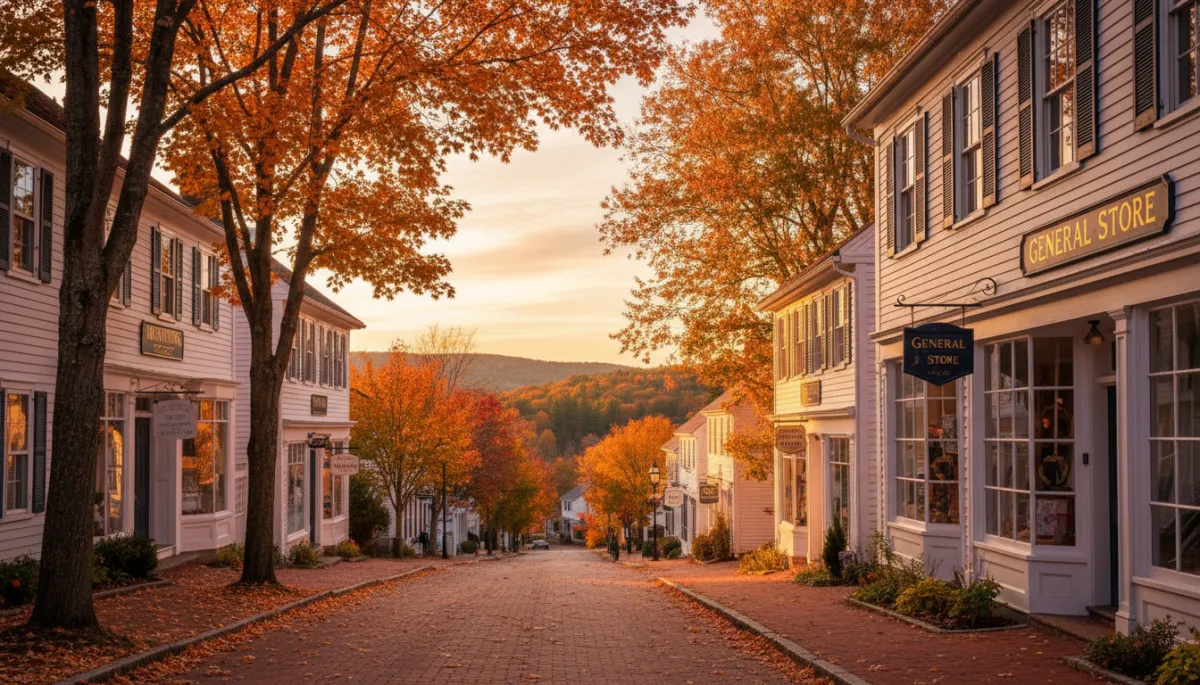
Historic village centers anchor daily life with walkable greens, shops, and local dining.
4. Bantam Lake: Boating, Fishing, and Lakefront Living
Bantam Lake, the largest natural lake in Connecticut, is one of the Litchfield Hills’ signature attractions. In summer, the shoreline comes alive with kayaks, sailboats, and families enjoying the public beaches. Anglers appreciate the excellent fishing, while birdwatchers flock to the nearby White Memorial Conservation Center’s network of trails and wetlands.
Lakefront and lake‑area homes around Bantam Lake are consistently in demand, especially among buyers coming from New York and Fairfield County who want a true “lake life” experience without driving all the way to northern New England. Whether you’re dreaming of a cozy seasonal cottage or a year‑round home with a dock, properties near Bantam Lake tend to hold their value and see strong interest in every market cycle.
5. Warner Theatre: A Cultural Hub for the Region
Located in nearby Torrington, the Warner Theatre is a beautifully restored 1930s art‑deco theater that functions as a true cultural hub for Western Connecticut. From touring Broadway shows and concerts to local productions and film festivals, it offers big‑city entertainment in a small‑town setting.
For residents of the Litchfield Hills, having the Warner Theatre nearby means you don’t have to give up live performances and special events when you move away from the city. It’s part of what keeps the region vibrant year‑round and appeals to buyers who want both quiet nights and the option of a night out that feels special.
6. Lime Rock Park: Motorsports and a One‑of‑a‑Kind Destination
Lime Rock Park, in Lakeville, is another landmark that gives the Litchfield Hills its unique flavor. This historic road racing circuit hosts major sports car events, driving schools, and community gatherings throughout the season. On race weekends, the hills echo with the sound of engines and the infield fills with families, car clubs, and enthusiasts.
Even if you’re not a motorsports fan, Lime Rock contributes to the region’s energy and tourism economy, bringing visitors who support local restaurants, inns, and shops. For some buyers, especially those with a passion for cars, having such a renowned track nearby is a major bonus that sets Western Connecticut apart from other rural markets.
7. Commuting and Connectivity: Getting to Hartford and New York
One of Western Connecticut’s strengths is that it feels worlds away without actually being far. Depending on where you land, you’ll find a range of commuting options and travel times to Hartford and New York City.
To New York City: Many Litchfield Hills residents drive 20–35 minutes to Metro‑North stations in towns like Danbury, Brewster (NY), or Waterbury, then ride into Grand Central Terminal. Total door‑to‑door times typically run 1.75–2.5 hours, depending on your exact location and schedule.
To Hartford: From towns such as Thomaston or Litchfield, it’s often about 45–60 minutes by car to downtown Hartford via Route 8 and I‑84, making occasional office trips very manageable.
Remote and hybrid workers especially appreciate this flexibility: they can enjoy a peaceful home base in the hills while still staying connected to corporate offices, clients, and airports when needed.
8. Who’s Moving to Western Connecticut in 2026?
The buyer pool in Western Connecticut has diversified over the last few years. In 2026, three groups stand out:
Remote and hybrid workers who can log in from anywhere and want more space, a dedicated home office, and access to nature between Zoom calls.
Retirees and near‑retirees leaving higher‑cost areas to unlock equity, lower their housing costs, and enjoy a quieter lifestyle with great healthcare and amenities nearby.
Lifestyle buyers from NYC and the metro area looking for a second home, a future retirement base, or a permanent move that still keeps them within reach of the city.
These buyers are drawn by relative value compared with Westchester County, Long Island, or parts of coastal Connecticut. They’re also looking for authenticity: real town centers, locally owned businesses, and a sense of community that’s hard to find in more suburbanized areas.
9. Frequently Asked Questions About Living and Buying in Western Connecticut
Q1. Is Western Connecticut more affordable than other New York metro suburbs?
In many cases, yes. While towns like Kent can be quite competitive, communities such as New Milford and Thomaston often offer larger lots and more square footage for the price compared with many Westchester or coastal Connecticut suburbs. Property taxes and specific neighborhood trends still matter, so it’s important to compare carefully with a local agent’s help.
Q2. What types of homes are most common in the Litchfield Hills?
You’ll see a mix of antique colonials, mid‑century ranches, classic capes, farmhouses on acreage, and newer construction tucked into small subdivisions. There are also converted barns, lake cottages, and a handful of condos or townhomes near village centers. If you love character, this region delivers.
Q3. How competitive is the market in 2026?
Inventory remains relatively tight, especially for well‑priced homes in move‑in‑ready condition or in prime locations near lakes and village centers. Multiple offers are still common on standout properties, but the pace is more balanced than in the peak pandemic years. Being pre‑approved and working with an agent who knows the micro‑markets can make a real difference.
Q4. What should I know about owning a rural or semi‑rural home here?
Many properties rely on private wells and septic systems rather than public water and sewer, and some driveways are long or steep. It’s important to budget for maintenance, snow removal, and periodic system inspections. On the plus side, you’ll enjoy privacy, dark night skies, and the kind of quiet that’s hard to put a price on.
Q5. How can I explore different towns before I buy?
Spend time on the ground: visit farmers’ markets, walk the town greens, have dinner at local restaurants, and drive the back roads at different times of day and in different seasons. A knowledgeable Realtor can help you compare communities like New Milford, Kent, Thomaston, and others based on your budget, commute, and lifestyle priorities.
10. Sources and Further Reading
Zillow Research – Connecticut Housing Market Data
https://www.zillow.com/research/
Provides Connecticut home values, market trends, appreciation rates, and local housing data used to compare communities such as New Milford and Kent.Redfin Data Center – Connecticut Housing Market
https://www.redfin.com/news/data-center/
Offers current housing market statistics, including median sale prices, inventory, days on market, and buyer competition across Connecticut.Realtor.com – Connecticut Housing Market
https://www.realtor.com/realestateandhomes-search/Connecticut/overview
Provides home price trends, neighborhood insights, market conditions, and affordability data for Connecticut communities.The Lakeville Journal – Northwest Connecticut News & Real Estate
https://lakevillejournal.com/
Local news source covering Kent, the Litchfield Hills, and surrounding communities, including real estate trends and regional developments.Connecticut Office of Tourism – Litchfield Hills
https://www.ctvisit.com/regions/litchfield-hills
Official Connecticut tourism resource highlighting the Litchfield Hills' attractions, outdoor recreation, historic villages, cultural destinations, and lifestyle amenities that attract homebuyers.
💡 Pro Tip: Online data is a helpful starting point, but town‑by‑town and even street‑by‑street nuances matter. Always pair statistics with an on‑the‑ground conversation before making offers.
About the author: Melinda Walencewicz is a Realtor with eXp Realty and a U.S. Navy veteran, proudly serving eastern Connecticut communities in Tolland, Windham, New London, and Hartford Counties. She also provides guidance to buyers and sellers interested in Western Connecticut and the Litchfield Hills through trusted local connections and market insight.
Reach out to me today! Call me at 860-784-7214 for a free consultation. Never too busy for you to be my #1 client!