












Top 5 Home Inspections Every CT Buyer Needs
You found a house you love in Connecticut. The kitchen's perfect, the backyard's got space for the kids, and you can already picture yourself sipping coffee on that front porch. But before you get too attached, there's one crucial step you can't afford to skip: inspections.
Here's the thing. A home might look flawless on the surface, but what's lurking behind the walls, under the foundation, or in that basement could cost you thousands down the road. In Connecticut specifically, there are certain inspections that matter more than others because of our older housing stock, local geology, and rural property features.
Let's break down the five most important inspections every Connecticut buyer needs to protect their investment.
Why Home Inspections Matter in Connecticut
Connecticut homes have character. But that character often comes with age. According to the U.S. Census Bureau, the median age of owner-occupied housing in Connecticut is over 60 years old. That's significantly older than the national average.
Older homes mean more potential issues. We're talking about outdated electrical systems, aging foundations, and decades of wear and tear that might not show up in listing photos.
A home inspection gives you the full picture. It's your chance to uncover problems before they become your problems. And in Connecticut's competitive market, knowledge is power when it comes to negotiations.

1. General Home Inspection
This is the big one. Think of it as your home's comprehensive physical exam.
A licensed home inspector will evaluate virtually every major system in the house. We're talking about the foundation, roof, HVAC, plumbing, electrical, and more. They'll climb into the attic, check the basement, and examine everything from the water heater to the window seals.
What they're looking for:
Foundation cracks or settling
Roof damage or missing shingles
Faulty wiring or outdated electrical panels
Plumbing leaks and drainage issues
HVAC function and efficiency
Signs of water damage or mold
In Connecticut, a standard home inspection typically costs between $450 and $500, according to local industry data. The inspection usually takes two to three hours and should be completed within 7 to 10 days of an accepted offer.
Pro tip: Always attend your inspection in person. Walking through the home with your inspector helps you understand any issues firsthand and ask questions on the spot.
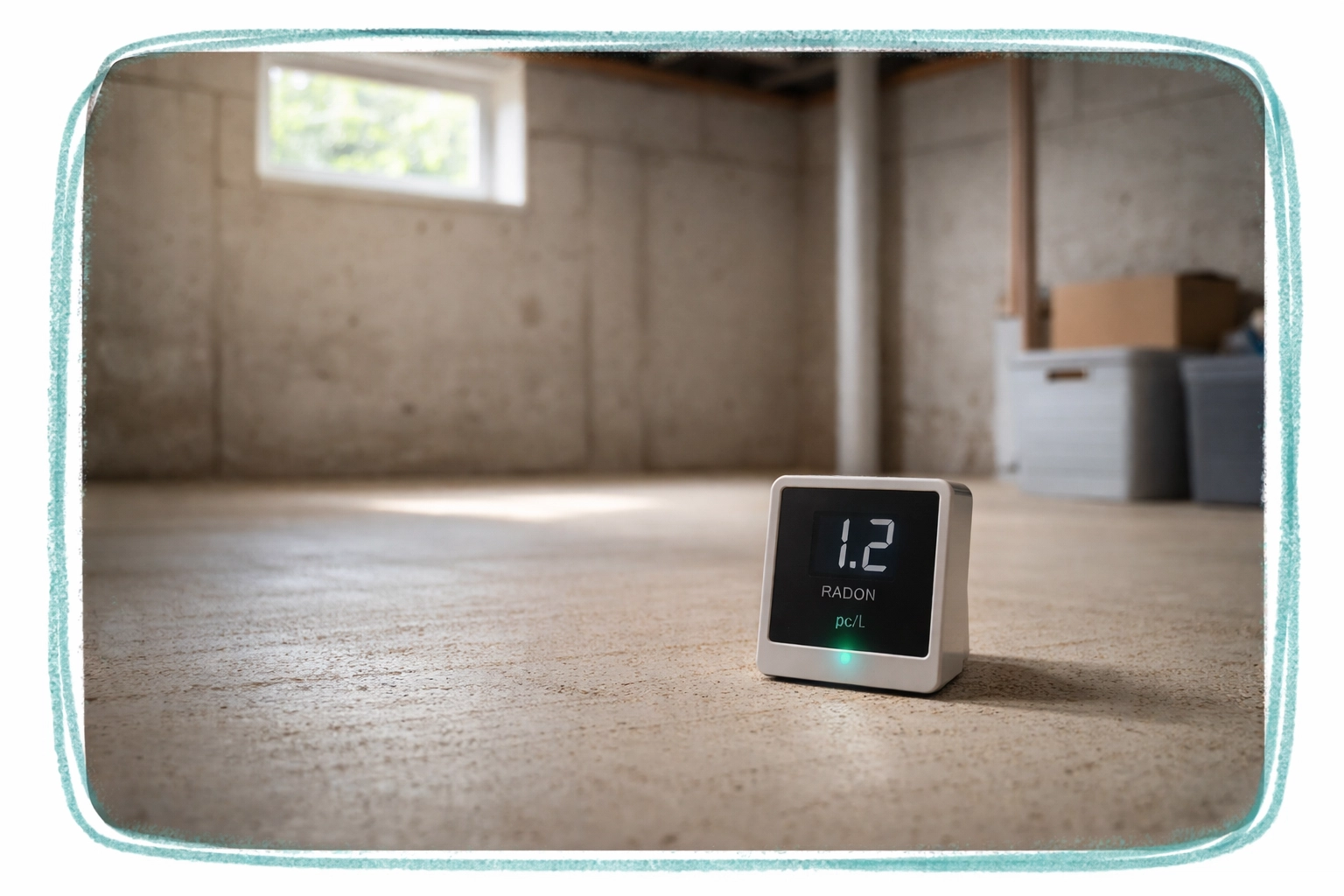
2. Radon Testing
Here's one that surprises a lot of out-of-state buyers. Radon is a big deal in Connecticut.
Radon is a naturally occurring radioactive gas that seeps up from the ground. You can't see it, smell it, or taste it. But long-term exposure is the second leading cause of lung cancer in the United States, according to the Environmental Protection Agency (EPA).
Connecticut experiences relatively high radon levels compared to many other states. Our geology, with its bedrock and granite formations, creates ideal conditions for radon accumulation in basements and lower levels of homes.
Here's the good news: Testing is simple and affordable. A radon test typically costs $100 to $200 and takes about 48 hours. If levels come back high (above 4 pCi/L), a radon mitigation system can be installed for around $800 to $1,500.
Many buyers use elevated radon levels as a negotiating point. You can ask the seller to install mitigation before closing or credit you for the cost.
3. Pest and Termite Inspection
Connecticut's humid summers and older wooden structures make pest inspections essential. Termites, carpenter ants, and wood-boring beetles can cause serious structural damage that's expensive to repair.
A pest inspection (sometimes called a Wood Destroying Insect or WDI inspection) focuses specifically on signs of infestation and damage. The inspector will examine the foundation, basement, crawl spaces, and any wood structures for evidence of current or past activity.
Warning signs include:
Mud tubes along foundation walls
Hollow-sounding wood
Sawdust piles near wooden structures
Discarded wings near windows or doors
Visible damage to wooden beams or joists
This inspection typically costs $75 to $150 and is often required by lenders. Even if your lender doesn't require it, I always recommend it. Termite damage isn't covered by homeowner's insurance, so catching an issue before you buy is crucial.
4. Well Inspection and Water Testing
If you're buying a home with a private well (common in Connecticut's suburban and rural areas), you'll want a thorough well inspection and water quality test.
Unlike municipal water systems, private wells aren't regulated by the EPA. That means it's up to you to ensure your water is safe and your well system is functioning properly.
A well inspection typically includes:
Flow rate testing (how much water the well produces)
Pump and pressure tank evaluation
Visual inspection of well components
Water quality testing for bacteria, nitrates, and other contaminants
In Connecticut, the Department of Public Health recommends testing private well water annually. When buying a home, you should test for coliform bacteria, nitrates, pH levels, and potentially lead or arsenic depending on your area.
Well inspections and water tests typically cost $200 to $500 combined. If issues arise, repairs or treatment systems can range from a few hundred dollars to several thousand, so it's worth knowing what you're getting into.
5. Septic System Inspection
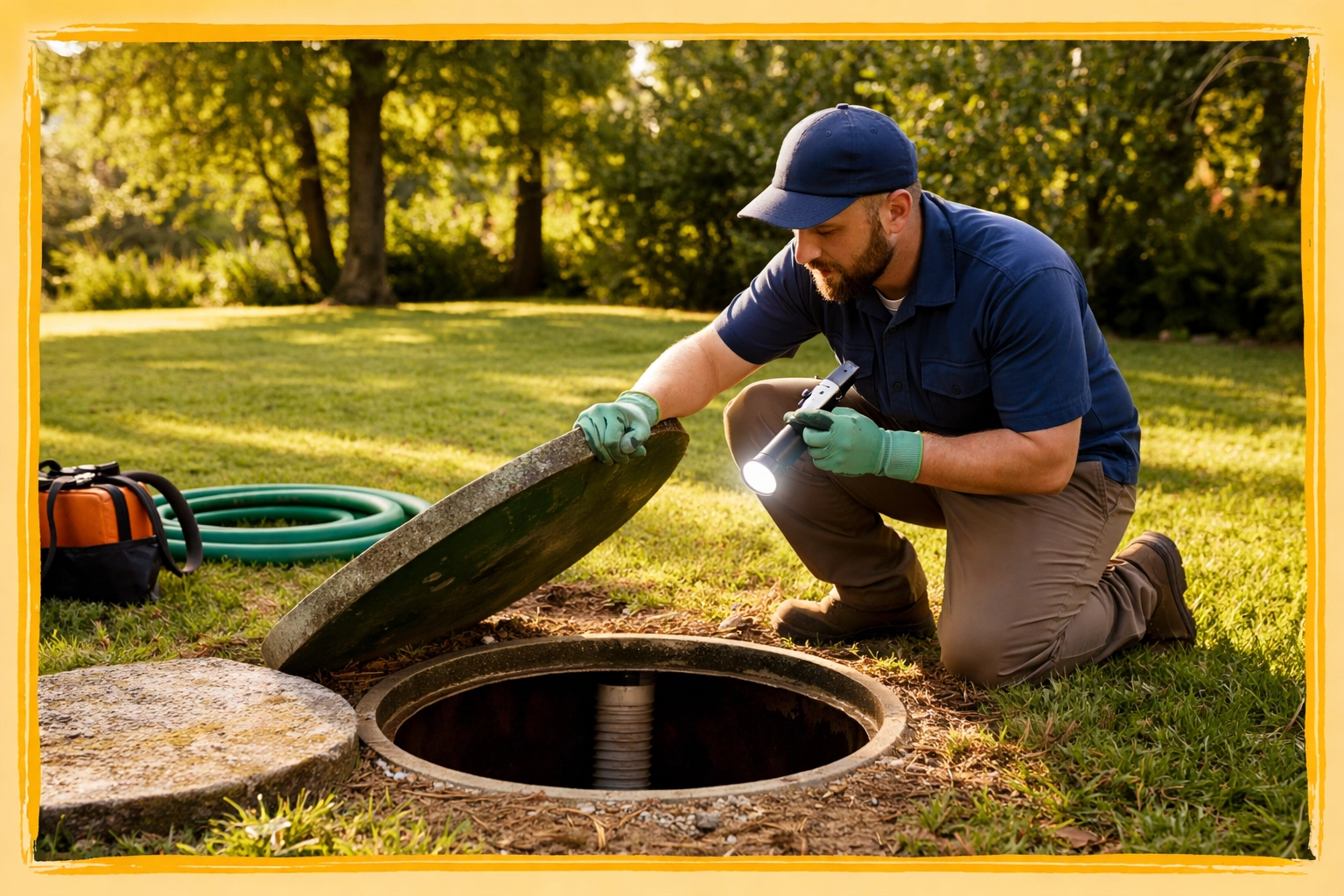
No municipal sewer? Then you're dealing with a septic system. And trust me, you want to know exactly what condition it's in before you buy.
A septic inspection goes beyond a simple "is it working?" check. A licensed inspector will locate the tank, pump it out, and examine its condition. They'll also evaluate the leach field (where wastewater filters back into the ground) and check for signs of failure.
What inspectors look for:
Tank cracks or structural damage
Baffle condition and function
Signs of backup or overflow
Leach field saturation or failure
Proper sizing for the home
Septic system replacements can cost $10,000 to $30,000 or more. That's a significant expense you don't want to discover after closing. A proper inspection, which typically costs $300 to $500, is a small price to pay for peace of mind.
Important note: In Connecticut, septic systems are regulated at the local level. Your inspector should be familiar with local health department requirements and any recent code changes.
Bonus Inspections to Consider
Depending on the property, you might also want to think about:
Mold inspection: Especially important in older homes with basement moisture issues
Underground oil tank detection: Common in Connecticut and can be a major liability if leaking
Chimney inspection: If the home has a fireplace or wood stove
Flood risk assessment: Particularly for coastal properties
Your real estate agent can help you determine which additional inspections make sense based on the specific property and location.
What Happens After the Inspection?
Once you have your inspection reports, you've got options. You can:
Accept the property as-is (if issues are minor)
Negotiate repairs with the seller
Request credits toward closing costs for repairs you'll handle yourself
Walk away if major issues are discovered (assuming your contract includes an inspection contingency)
The inspection period is your opportunity to make informed decisions. Don't feel pressured to move forward if something doesn't feel right.
Thinking about buying a home in Connecticut? Call me at 860-985-4363 or visit melindatherealtor.com for a free consultation. Never too busy for you to be my #1 client.
Frequently Asked Questions
Are home inspections required in Connecticut?
No, home inspections aren't legally required in Connecticut. However, they're strongly recommended and most real estate professionals consider them essential for protecting your investment.
How long does a home inspection take?
A standard general inspection typically takes two to three hours, depending on the size and condition of the home. Specialized inspections like radon testing require additional time (usually 48 hours for results).
Can I use inspection results to negotiate the price?
Absolutely. Inspection findings are commonly used to negotiate repairs, credits, or price reductions. Your agent can help you determine the best approach based on what's discovered.
Should I skip the inspection in a competitive market?
I strongly advise against waiving inspections, even in a hot market. The risk of inheriting expensive hidden problems far outweighs any competitive advantage you might gain.
Who pays for home inspections in Connecticut?
Typically, the buyer pays for inspections. It's an out-of-pocket cost that's not usually rolled into closing costs, so budget accordingly.
Sources
Freddie Mac – Primary Mortgage Market Survey (PMMS)
https://www.freddiemac.com/pmmsFannie Mae – January 2026 Housing Forecast
https://www.fanniemae.com/research-and-insights/forecastNational Association of Realtors® – Housing Affordability & Buyer Power Data
https://www.nar.realtor/research-and-statisticsMortgage Bankers Association (MBA) – Mortgage Rate & Application Trends
https://www.mba.org/news-and-research/research-and-economicsFederal Reserve Economic Data (FRED) – 30-Year Fixed Mortgage Rate History
https://fred.stlouisfed.org/series/MORTGAGE30