












The "Stuff" Problem: Selling an Estate with Memories
If you’ve ever had to walk into a loved one's home after they’ve passed away, you know it’s not just a house. It’s a museum of a life well-lived. There’s the recliner where Grandpa watched the game, the chipped "World’s Best Mom" mug in the cabinet, and boxes upon boxes of holiday decorations in the attic.
When it comes time to sell that home, the physical task of dealing with "the stuff" is often more exhausting than the legal probate process itself. You’re not just moving furniture; you’re moving memories. As a Realtor here in Connecticut, I see this all the time. Whether you’re handling an estate in Woodstock or Plainfield, the emotional weight can feel just as heavy as that antique oak dresser.
Let’s talk about how to handle the "stuff" problem with grace, empathy, and a solid plan.
The Emotional Burden of the Estate Sale
First off, give yourself permission to feel overwhelmed. According to Realtor.com, selling a home is already one of life’s top stressors; add the loss of a loved one and a house full of possessions, and it’s a recipe for burnout (Realtor.com, 2023).
Many executors or family members feel a sense of guilt. You might feel like throwing away a set of old curtains is somehow betraying your loved one’s memory. It’s important to remember that the love lives in you, not in the polyester blend of the drapes.
Before you start tossing things into trash bags, take a breath. If the timeline allows, give yourself a few weeks just to sit with the house before the heavy lifting begins.

The "Memory Harvest": Preserving the Intangible
One of the best ways to let go of physical items without losing the connection to them is what I call a "Memory Harvest." Research suggests that documenting memories through digital media can significantly reduce the anxiety associated with decluttering (Psychology Today, 2022).
Instead of trying to keep every knick-knack, try these steps:
The Photo Tour: Take high-quality photos or videos of each room exactly as it was. Capture the light coming through the kitchen window or the height marks on the doorframe.
Electronic Scrapbooking: For items that are too bulky to keep: like an old workbench or a massive dining table: take a photo and write a quick note about why it was special.
The "Small Keepsake" Rule: Choose one or two small items that truly represent the person, rather than ten large ones that will just sit in your garage.
Involving the Family (Without the Drama)
Selling an estate in towns like Pomfret or Brooklyn often involves siblings and cousins scattered across the country. Communication is your best friend here.
Zillow notes that family disputes over personal property are one of the most common reasons estate sales get delayed (Zillow, 2024). To avoid this:
Host a "Walkthrough" Weekend: Invite family members to come through and tag items they specifically want.
Use a Spreadsheet: Track who wants what to ensure transparency.
The Sticker Method: Give everyone a different color of sticky notes. If two people want the same thing, you can handle it through a conversation or a friendly coin toss.

Sorting the Physical Items: Keep, Sell, Donate, Trash
Once the family has taken the heirlooms, you’re usually left with about 80% of the house still full. This is where the logistics get real.
What to Sell
If there are high-value items like antiques, jewelry, or specialized collections, don't guess their worth. Hire a professional appraiser or an estate sale company. An estate sale is often the fastest way to clear a house while putting some money back into the estate to cover closing costs or repairs.
Where to Donate in Connecticut
Many local organizations in Windham and Killingly will actually come to the house to pick up furniture and clothing. This saves you the back-breaking work of hauling it to a drop-off center.
The "Stuff" That Stays
When we get ready to list the home, we need it to look its best. While the memories are beautiful, a buyer needs to see themselves in the space. This is where staging comes in.
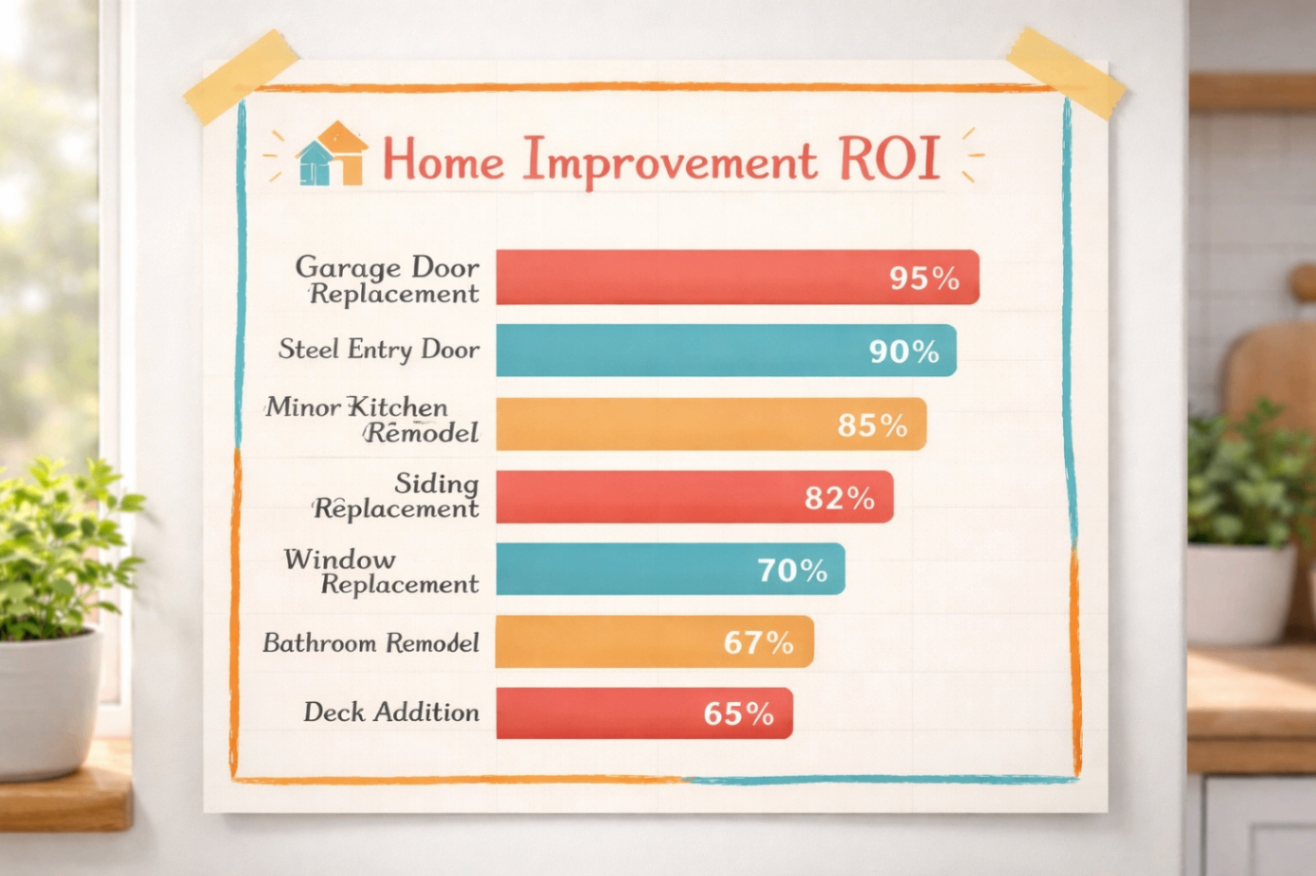
As you can see from the chart above, minor updates and decluttering provide a significant Return on Investment (ROI). Removing the "stuff" allows potential buyers to see the bones of the house, which leads to better offers.
How I Help Simplify the Process
You might be thinking, "Melinda, this sounds like a full-time job." And you’re right: it is. That’s where I come in.
When I work with estate clients in Ashford, Tolland, or Putnam, I don't just put a sign in the yard. I help manage the chaos. I have a network of trusted professionals who handle:
Estate clean-outs and junk removal.
Professional cleaning and staging.
Repairs to get the home "market-ready."
Coordination with probate attorneys to ensure all paperwork is in order.
The National Association of Realtors (NAR) emphasizes that specialized knowledge in estate sales can save families thousands in lost time and undervalued assets (NAR, 2023). My goal is to take the logistical weight off your shoulders so you can focus on your family.

Practical Tips for the Final Stretch
As you get closer to the finish line, keep these practical tips in mind:
Check Every Nook: People used to hide cash and important documents in strange places: check the backs of picture frames, inside old books, and the very back of the pantry.
Utility Transition: Don't turn off the heat or AC entirely; you want the home to stay at a safe temperature to prevent pipe bursts or mold while it's being cleared.
Security: If the house is vacant, let the local neighbors or police know so they can keep an eye out.

Frequently Asked Questions
Q: Do I have to clear the house before I call a Realtor?
A: Absolutely not! In fact, it’s better to call me early. I can help you decide what's worth keeping for staging purposes and what can go.
Q: What if the house needs a lot of work?
A: Don't worry. We can sell the home "as-is," or I can help you prioritize small repairs that will give you the biggest bang for your buck in the current Connecticut market.
Q: How long does the probate sale process take?
A: It varies depending on the court, but having a clear plan for the personal property usually speeds things up significantly.
Selling an estate is an emotional journey, but you don't have to walk it alone. Whether you're in Vernon, Thompson, or right here in my backyard, I’m here to help you navigate every step with heart and hustle.
Call me at 860-985-4363 or visit melindatherealtor.com for a free consultation. Never too busy for you to be my #1 client.
Sources:
National Association of Realtors (NAR). (2023). "Real Estate Specialist Designations." https://www.nar.realtor
Realtor.com. (2023). "How to Sell an Inherited House." https://www.realtor.com
Zillow. (2024). "Guide to Selling an Estate Home." https://www.zillow.com
Psychology Today. (2022). "The Psychology of Decluttering and Grief." https://www.psychologytoday.com