












Sell As-Is or Make Repairs? The Truth for CT Sellers
You're ready to sell your Connecticut home, but there's one big question keeping you up at night: Should I fix it up or sell it as-is?
It's the classic seller's dilemma. You've got that outdated kitchen, the leaky roof that's been "fine for now," and maybe a bathroom straight out of 1987. The question isn't just about money, it's about time, stress, and whether you'll actually get your investment back.
Here's the truth: there's no one-size-fits-all answer. But there are smart ways to think about this decision that'll save you time, money, and a whole lot of second-guessing.
The Renovation Question Every Seller Asks
Walk into any home in Pomfret or Woodstock, and you'll hear the same question: "Is this renovation actually worth it?"
You're not wrong to wonder. According to recent data, the decision really comes down to three key factors: your timeline, your financial situation, and the extent of repairs needed. Making the wrong choice can cost you thousands, or worse, months of unnecessary stress.
The thing is, both paths have trade-offs. Fixing everything up might get you a higher sale price, but it also means upfront costs, contractor headaches, and weeks (or months) of your time. Selling as-is gets you out fast, but typically results in significantly lower offers from buyers who'll use every flaw as negotiating leverage.
So let's break down both routes and figure out which one actually makes sense for your situation.

The Traditional Listing Route: Repairs, Showings, and Market Time
This is the path most sellers picture when they think about selling a home. You invest in repairs, stage the place to look magazine-ready, and list it on the market for top dollar.
Here's how it works: You hire contractors to fix the obvious issues, maybe you replace that worn carpet, repaint the rooms in neutral tones, update light fixtures, and handle any major mechanical problems. Then you hire a real estate photographer, list the home, and wait for buyers to come through during showings.
The upside? When done right, you can absolutely maximize your sale price. Buyers love move-in ready homes, and they're willing to pay a premium for them. A fresh coat of paint and some minor updates can make your home stand out in a competitive market like Killingly or Thompson.
The downsides are real, though. First, there's the upfront cost. Renovations aren't cheap, and you'll need the cash (or credit) to pay contractors before you ever see a dime from the sale. Second, there's time. Even "quick" projects can drag on for weeks, especially if you're juggling work and family obligations. And third, and this is the part nobody talks about enough, there's zero guarantee you'll recoup those costs.
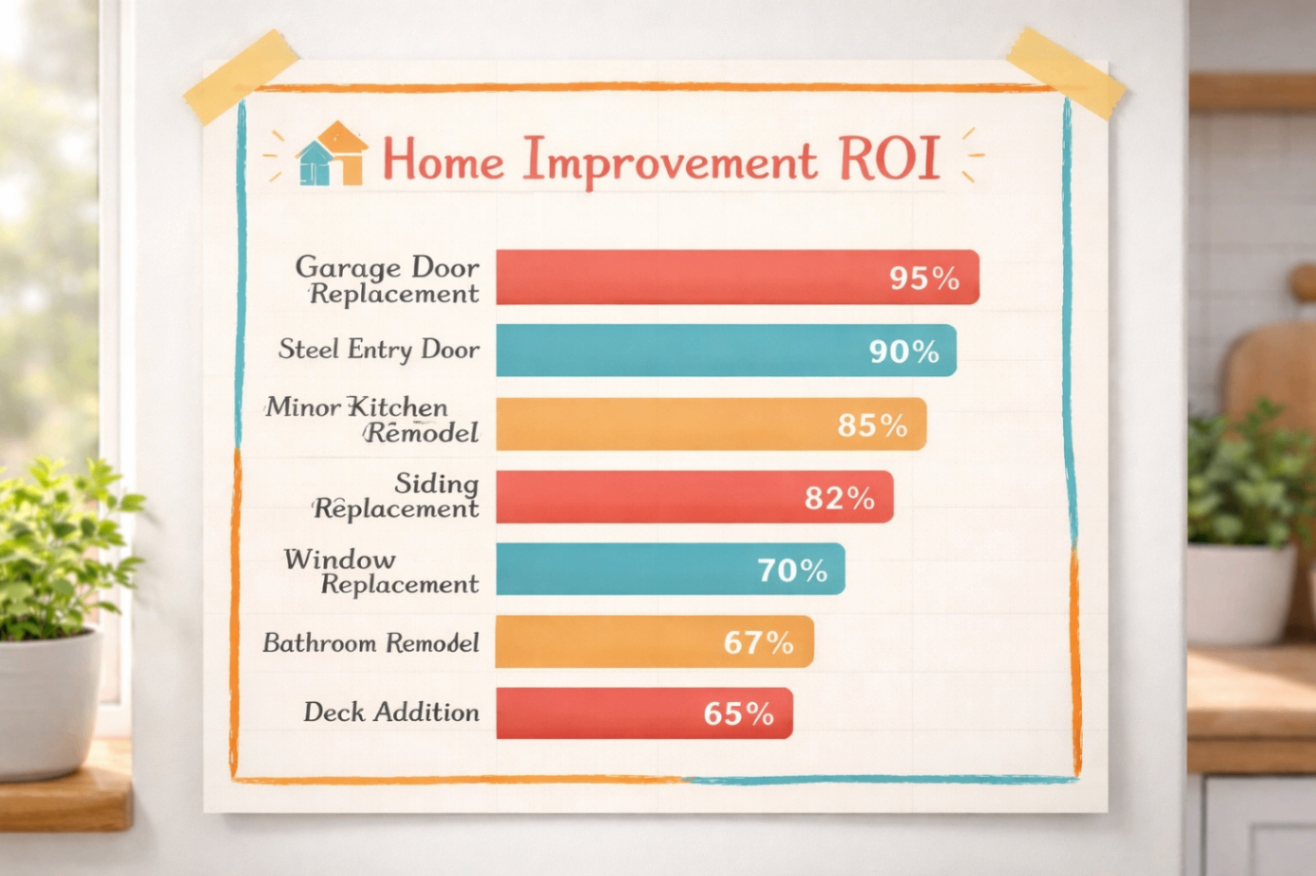
Not every repair delivers the same return on investment. According to home improvement data, some upgrades like garage door replacements can return 95% of their cost, while major kitchen remodels might only return 85%. That bathroom renovation you're considering? It might only get you back 67% of what you spend.
The traditional route works beautifully if you have the time, money, and emotional bandwidth to manage contractors and showings. But if you're already stretched thin? It can become overwhelming fast.
The As-Is Route: Skip Repairs, Move Faster
Selling as-is means exactly what it sounds like: you list your home in its current condition and let buyers know they're getting it "as-is", warts and all.
This approach eliminates repair delays entirely. You don't hire contractors, you don't wait for permits, and you don't lose sleep wondering if that kitchen remodel will actually pay off. You list immediately and move forward.
The financial benefits are appealing too. You avoid all upfront repair costs, which the buyer assumes responsibility for instead. Cash buyers are common in as-is sales, and skipping the typical 3% listing agent fee in some cases can offset some of your losses.
But, and this is important, expect substantially reduced offers. Most cash buyers and investors extend lowball offers, often around 70% of your home's fair market value. They're factoring in their own repair costs and profit margins, which means less money in your pocket.
You'll also face a limited buyer pool. Traditional buyers using mortgages often can't purchase homes with significant issues, since lenders won't approve loans for properties that don't meet certain standards. That leaves you with investors and cash buyers, which narrows your options considerably.
So when does selling as-is actually make sense? If you need to sell quickly due to relocation, financial hardship, or an inherited property you don't want to manage, as-is can be a lifesaver. It's also smart if you genuinely lack the time, money, or expertise to oversee repairs properly.

When Strategic Repairs Are Your Best Bet
Here's where it gets interesting: you don't have to choose between full renovations and selling completely as-is. There's a middle ground that often makes the most sense.
Strategic repairs mean fixing only the things that'll actually boost your appeal and value, not everything under the sun. Calculate your return on investment for each potential repair and prioritize accordingly.
For example, fixing visible water stains, addressing pest issues, or replacing leaky pipes are relatively inexpensive repairs that prevent buyers from getting spooked during inspections. These aren't sexy upgrades, but they remove major red flags that tank offers.
On the flip side, that full kitchen gut job you're considering? Unless your kitchen is genuinely non-functional, it might not be worth it. Buyers have different tastes, and they might prefer to customize it themselves anyway.
Timeline matters here too. Incomplete repair projects damage your home's marketability and ultimately cost more money. If you lack the time to properly oversee contractors alongside work and family obligations, avoid starting repairs you can't finish. A half-done bathroom renovation screams "problem property" to buyers.
Think about your realistic timeline and choose repairs you can actually complete well. In towns like Plainfield or Brooklyn, where buyers know the area well, they'll spot rushed or incomplete work immediately.
What Connecticut Law Requires (Even When Selling As-Is)
Here's something that surprises a lot of sellers: even when selling as-is in Connecticut, you're still legally required to disclose all known defects.
That means you must reveal structural flaws, water damage, environmental hazards, termite issues, and any other material defects in the required seller disclosure form. This isn't optional, it's Connecticut law.
A pre-listing inspection helps you identify problems to disclose honestly and set accurate pricing expectations. It also protects you legally, since failure to disclose known issues can create serious legal complications down the road, even after the sale closes.
Being upfront actually works in your favor. Buyers appreciate transparency, and disclosing issues upfront builds trust. You're far better off being honest and pricing accordingly than hiding problems and dealing with lawsuits later.

HomeOffersEZ: More Options, Less Stress
This is where having options really changes the game. Through HomeOffersEZ, you don't have to choose between a traditional listing and a desperate as-is cash sale, you can explore both simultaneously.
Here's what makes it different: HomeOffersEZ provides transparency and control over your timeline. You can receive a cash offer while also listing your home traditionally if you want. This gives you the flexibility to compare your options side-by-side and choose what works best for your situation.
Maybe you list your Windham home traditionally and see what offers come in over a few weeks. If nothing meets your needs, you've got a backup cash offer ready to go. Or maybe you're moving for work and need to close in three weeks, the cash offer route means no repair headaches and a guaranteed closing date.
The point is, you're not locked into one path from day one. You get to make informed decisions based on real offers and your actual timeline, not hypotheticals and stress.
This approach is especially helpful for sellers dealing with inherited properties, divorce situations, or job relocations where timing is everything. Having options means you stay in control instead of feeling forced into a corner.
Making the Right Choice for Your Situation
So what's the verdict? Should you fix up your Connecticut home or sell it as-is?
Consider selling as-is if:
You need to sell within 30-60 days
You don't have cash available for upfront repairs
You've inherited a property you don't want to manage
Major repairs are needed that you can't oversee properly
You're relocating and can't juggle contractors remotely
Consider making strategic repairs if:
You have 3-6 months to sell
Small fixes will remove major buyer concerns
You can afford upfront costs and manage contractors
The local market rewards updated homes
You want to maximize your sale price
Consider the hybrid approach if:
You're unsure and want to explore both options
You want backup plans in case the traditional sale falls through
You need flexibility around your closing timeline
You want to make an informed decision based on real offers
Remember, this isn't just about money, it's about what works for your life right now. A slightly lower sale price might be worth it if it means avoiding three months of contractor stress. Or investing in a few smart repairs might get you thousands more and help your home sell faster.
Frequently Asked Questions
Do I have to disclose problems if I'm selling as-is in Connecticut?
Yes, absolutely. Connecticut law requires you to disclose all known defects even when selling as-is. This includes structural issues, water damage, pest problems, and environmental hazards. Selling as-is means the buyer accepts the property's condition, it doesn't exempt you from honest disclosure.
How much less will I get if I sell as-is?
Typically, as-is sales result in offers around 70% of fair market value, though this varies based on your home's condition and location. Cash buyers factor in repair costs and their profit margins, which reduces your net proceeds. However, you save on repair costs and agent fees in some cases, which can partially offset the lower price.
What repairs give the best return on investment?
According to industry data, garage door replacements return about 95% of costs, steel entry doors return 90%, and minor kitchen updates return around 85%. Major renovations like full bathroom remodels typically return only 67%. Focus on repairs that fix functional issues and remove buyer concerns rather than luxury upgrades.
How long does it take to sell as-is versus making repairs?
Selling as-is can close in as little as 7-21 days with a cash buyer. Traditional sales after making repairs typically take 60-90 days from listing to closing, plus the time needed to complete renovations beforehand. Your actual timeline depends on market conditions and buyer demand in your area.
Can I list my home traditionally and get a cash offer at the same time?
Yes, through programs like HomeOffersEZ, you can explore both options simultaneously. This gives you the flexibility to compare a traditional listing with a guaranteed cash offer, then choose the path that best fits your timeline and financial goals.
Trying to decide between repairs and selling as-is? Call me at 860-985-4363 or visit melindatherealtor.com for a free consultation. Never too busy for you!
Sources
National Association of Realtors - Home Improvement ROI Data: https://www.nar.realtor
Zillow Research - As-Is Home Sales Analysis: https://www.zillow.com/research
Connecticut Real Estate Disclosure Requirements: https://portal.ct.gov
Realtor.com - Strategic Home Repairs Guide: https://www.realtor.com
HUD - Seller Disclosure Best Practices: https://www.hud.gov