











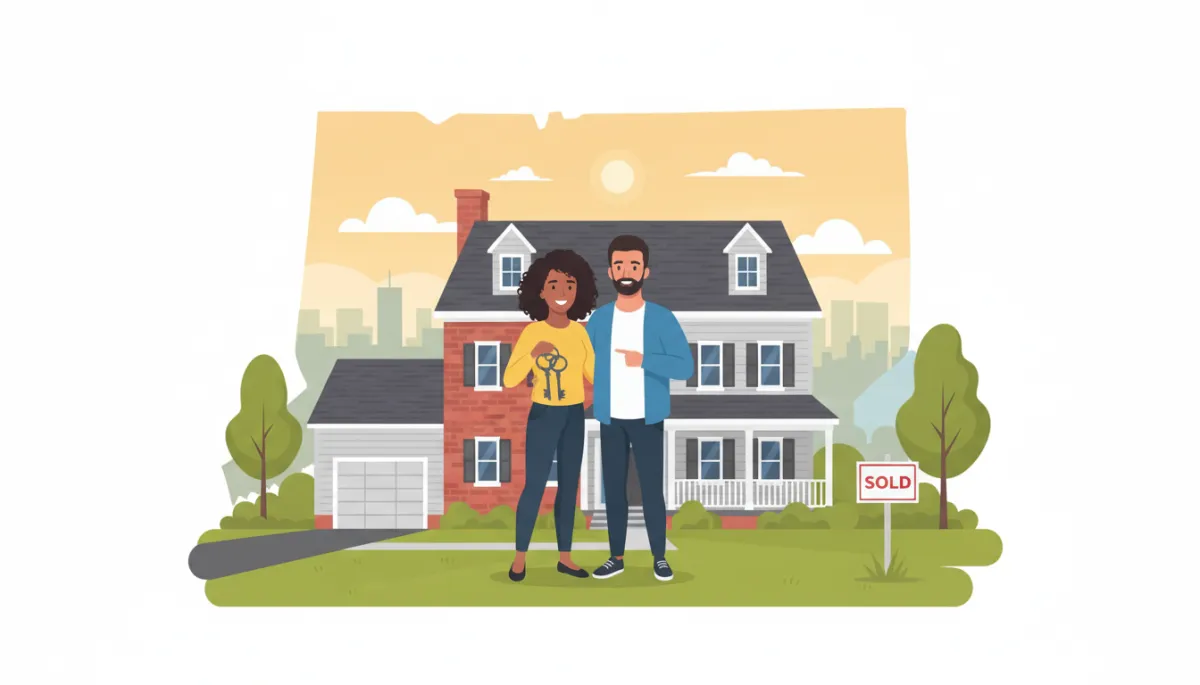
Renting to Owning: Connecticut Homeownership Guide
Real Estate, Connecticut Homeownership, First-Time Buyers
How To Go From Renting to Owning a Home in Connecticut
If you've been renting in Connecticut and wondering whether homeownership is actually within reach — it might be closer than you think. Yes, home prices are high. Yes, rates aren't at historic lows. But for renters who are ready and willing to plan strategically, the path from renter to homeowner is absolutely navigable in 2026. Call me at 860-985-4363 or visit melindatherealtor.com for a free consultation. I'm never too busy for you to be my #1 client.
Why Renting Keeps Getting More Expensive in Connecticut
If it feels like your rent jumps every time your lease renews, you're not imagining it. Connecticut rents sit well above the national average, and multiple data sources show just how tight the market is. Recent reports put statewide average or median rents in the roughly $1,700 to $2,400 per month range, depending on the source, with cities like Stamford, Norwalk, and Greenwich far higher. Vacancy is extremely low, around 2–2.2%, and the state is short an estimated 110,000 housing units. In plain English: lots of demand, not enough homes, and landlords know it.
Zillow's 2026 Rental Market Report shows Connecticut rents rising significantly over time, and that pressure adds up quickly. Every extra $100 a month in rent is $1,200 a year that isn't going toward your own equity. Meanwhile, Zillow also reports Connecticut home values up about 10.3% year over year. That means homeowners who bought just two or three years ago have often added tens of thousands of dollars to their net worth simply by owning instead of renting.
The Federal Reserve's 2026 data makes the gap crystal clear: the average homeowner's net worth is around $396,000, while the typical renter's is about $10,000. That difference isn't because homeowners are all high earners. It's largely because owning a home forces you to build wealth through principal paydown and appreciation, instead of watching your rent checks disappear. If you're wondering whether it's worth the effort to go from renter to homeowner in Connecticut, the numbers say yes.
Step 1 — Know Your Real Financial Picture
Before you start scrolling listings, you need a clear, honest snapshot of your finances. Think of this as your starting line, not a judgment. Three pieces matter most: your credit, your debt-to-income ratio, and your savings.
Credit score. Lenders will look at your credit history and scores from the major credit bureaus. You can pull your reports for free at AnnualCreditReport.com. The Consumer Financial Protection Bureau (CFPB) has found that roughly 1 in 5 reports has an error, so don't skip this step. If you spot mistakes, dispute them. Even a modest bump in your score can improve your rate or expand your loan options as a first-time homebuyer in Connecticut in 2026.
Debt-to-income ratio (DTI). This is the percentage of your gross monthly income that goes toward debt payments (credit cards, auto loans, student loans, and your future mortgage). Most conventional loans want your total DTI below about 43%. Some programs are a bit more flexible, but it's a good target. If your DTI is high, paying down a car loan or card balance can make a big difference in how much home you can qualify for.
Savings. You don't need 20% down. That's one of the biggest myths keeping renters stuck. There are solid loan programs and Connecticut down payment assistance options that let you buy with far less. Still, knowing what you have in savings (and what you could reasonably save over the next 6–18 months) helps us build a realistic plan to go from renter to homeowner in Connecticut without stretching you too thin.
Step 2 — Understand Down Payment Options
Here's where a lot of renters realize buying is closer than they thought. There are several mainstream loan programs tailored to first-time buyers, with low or even zero down payments, especially when paired with CHFA Connecticut programs and other down payment assistance Connecticut offers.
- 3% down conventional — Fannie Mae HomeReady and Freddie Mac Home Possible. These are great options if your income is at or below 80% of the area median income. They allow just 3% down, offer competitive rates, and are designed specifically for people who don't have huge savings but have stable income and decent credit. They're a strong path for how to buy a home in Connecticut first time without waiting years to save 20%.
- 3.5% down — FHA loans. FHA loans are very popular with first-time buyers. With a credit score as low as 580, you can often qualify for just 3.5% down. You will pay mortgage insurance, but for many renters, it's a fair trade-off to start building equity sooner. FHA loan Connecticut options can also pair well with assistance programs to reduce your upfront cash.
- 0% down — VA and USDA. If you're a veteran, active-duty service member, or eligible surviving spouse, VA loans can offer 0% down with powerful benefits and no monthly mortgage insurance. USDA loans provide 0% down financing in eligible rural and semi-rural parts of Connecticut. You can check eligibility maps at usda.gov. Many renters are surprised to learn that some CT towns they commute through every day qualify as USDA areas.
- CHFA — Connecticut Housing Finance Authority. CHFA first-time homebuyer programs are a big deal here. They offer 30-year fixed-rate loans at below-market rates, plus down payment and closing cost assistance. Income and purchase price limits vary by town, and there are extra benefits for certain professions and targeted areas. Visit CHFA.org for details, and work with a CHFA-approved lender. When we talk, I can help you figure out which CHFA Connecticut program fits your situation.
Step 3 — Build Down Payment Savings Strategically
Once you understand your likely loan options, you can set a clear savings target. Aim for your down payment plus closing costs, which typically run about 2–5% of the purchase price. For example, on a $350,000 home with 3% down, you might target roughly $10,500 for the down payment and another $7,000–$17,500 for closing, depending on the program and seller credits. That's a big number, but breaking it into monthly goals makes it manageable.
Open a dedicated high-yield savings account (HYSA) just for your home fund. Bankrate's 2026 data shows some HYSAs paying around 4–5% APY, which means your money grows faster than it would in a standard checking account. Automate a transfer every payday, even if it's a small amount at first. Consistency beats perfection here. Treat that transfer like a non-negotiable bill to your future self.
Finally, layer in assistance. Look at CHFA's Time To Own and Down Payment Assistance Program, local town grants, employer programs, and nonprofit resources. The National Council of State Housing Agencies (NCSHA) keeps a database of down payment assistance Connecticut buyers can tap into. When we meet, we can walk through which options match your income, target town, and timeline so you're not leaving free money on the table.
Step 4 — Get Pre-Approved and Learn the Market
When your plan is in motion, the next move is a full pre-approval, not just a quick pre-qualification. A true pre-approval means a lender has reviewed your income, assets, credit, and debts and issued a letter showing what you can realistically afford. In a competitive Connecticut market, that letter tells sellers you're serious and ready.
At the same time, start learning your target neighborhoods. Visit open houses on weekends, even before you're ready to write offers. Pay attention to list price versus condition, how quickly homes go under contract, and what your must-haves versus nice-to-haves really are. The National Association of Realtors' 2025 Profile of Home Buyers and Sellers notes that buyers who understand their local market tend to report higher satisfaction with their purchase. The more you see now, the more confident you'll feel when it's time to act.
Step 5 — Work With an Agent Who Understands First-Time Buyers
Your first home purchase is a big financial and emotional decision. You deserve an agent who respects that, explains things clearly, and never makes you feel rushed or embarrassed by your questions. A good agent will help you compare loan options, connect you with trusted lenders (including CHFA-approved ones), and guide you through neighborhoods that fit your budget and lifestyle, not just your dreams on Instagram.
I love working with first-time buyers because I know how life-changing that first set of keys can be. From crafting competitive but comfortable offers to negotiating inspections and understanding appraisals, you've got a lot to juggle. You don't have to do it alone. If you're ready to talk about how to stop renting and buy a home in CT, call me at 860-985-4363 or visit melindatherealtor.com. We'll map out a clear, personalized path from renter to homeowner Connecticut style, at a pace that fits your life.
FAQ: Connecticut Renters Ready to Buy in 2026
Q: How long does it typically take to go from renter to homeowner in CT?
A: With a clear plan, most motivated renters are ready within about 6–18 months. If your credit is strong and you've already built up some savings, you might move faster. If you need time to clean up credit or pay down debt, it may be closer to the upper end of that range, but it's still very doable with a roadmap.
Q: What's the minimum down payment to buy in Connecticut?
A: It depends on the loan. VA and USDA loans can offer 0% down for eligible buyers and areas. Conventional HomeReady and Home Possible programs can go as low as 3% down. FHA loans typically require 3.5% down. CHFA first-time homebuyer programs and down payment assistance Connecticut options can further reduce how much of your own cash you need upfront by covering part of the down payment or closing costs.
Q: Is it better to keep renting and save more, or buy now?
A: There's no one-size-fits-all answer, but in a market where Connecticut home values are up more than 10% year over year, waiting often means chasing higher prices. If you're financially ready or close, buying sooner usually puts you ahead, because your monthly payment starts building equity instead of going entirely to your landlord. That said, you never want to buy before your budget and emergency fund are solid. That's exactly the balance we can talk through together.
Q: Does CHFA have programs for renters who haven't owned before?
A: Yes. CHFA is specifically designed to support first-time homebuyers in Connecticut. They offer below-market interest rates, down payment assistance, and education programs. Visit CHFA.org to see current guidelines, and then connect with a CHFA-approved lender. As your agent, I can help you identify which CHFA first-time homebuyer program lines up with your income, target town, and long-term plans.
Q: What if I have student loan debt — can I still buy a home?
A: Absolutely. Student loans factor into your debt-to-income ratio, but they don't automatically disqualify you. Lenders look at your monthly payment, not just the total balance, and different loan programs treat student debt differently. Many first-time homebuyer Connecticut 2026 success stories include people with student loans. The key is to work with a lender who understands the guidelines and can structure your application in the most favorable way.
If you're renting in Connecticut and you're tired of feeling like you're on a treadmill, know this: there is a path forward. With the right strategy, support, and a bit of patience, you can absolutely move from renting to owning. When you're ready to take the first step, call me at 860-985-4363 or visit melindatherealtor.com. Let's turn your “maybe someday” into a moving date.