











What Is a Probate Sale in Connecticut and How Does It Work?
Dealing with a loved one's property after they pass away can feel overwhelming, especially when you're already grieving. If you've inherited a house in Connecticut or are considering buying a probate property, you're probably wondering what exactly a probate sale involves and how it differs from a regular real estate transaction.
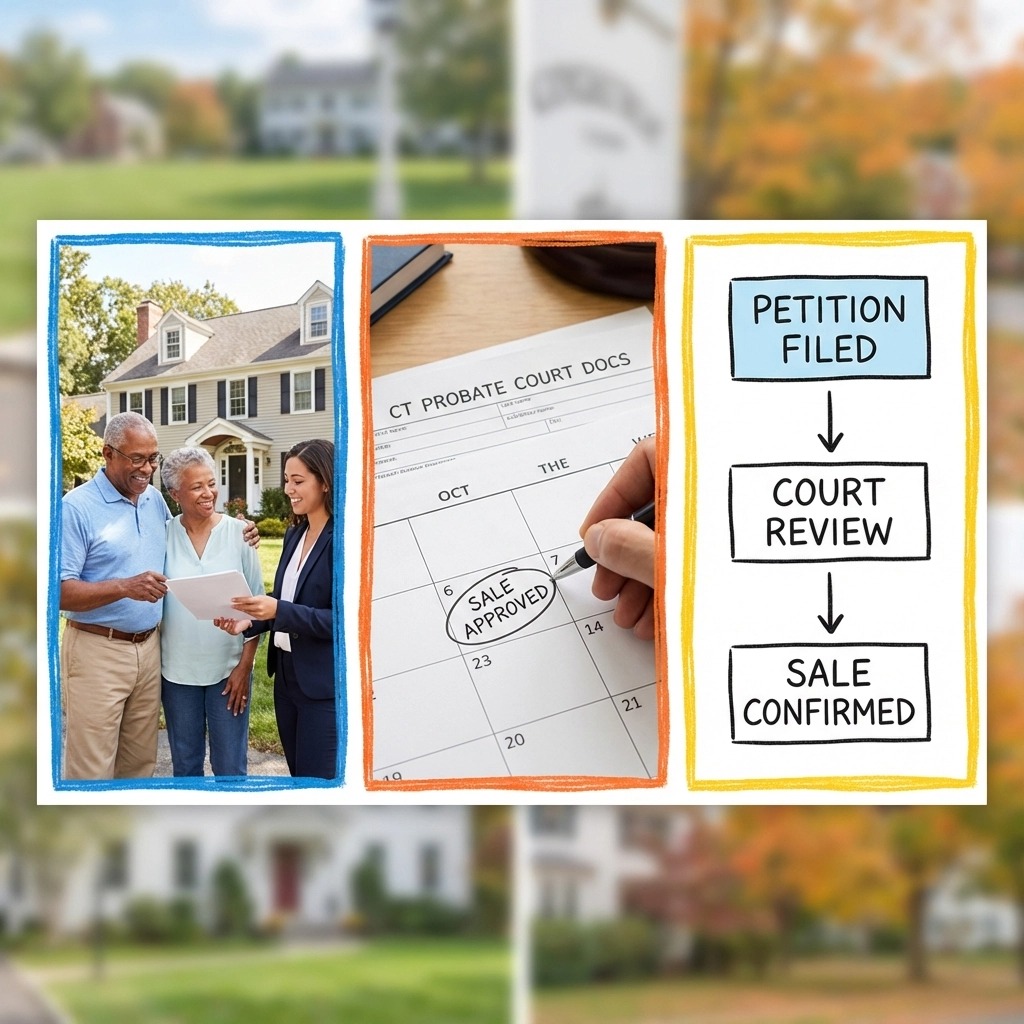
A probate sale in Connecticut is a court-supervised process for selling real estate owned by someone who has passed away. The property is sold to settle the deceased person's estate, pay outstanding debts, and distribute remaining proceeds to beneficiaries. Think of it as the legal way to transfer ownership of a home from someone who's no longer here to the people who will inherit it or to a new buyer.
Understanding the Probate Process in Connecticut
When someone dies in Connecticut, their assets typically go through probate court. This includes real estate they owned. The court oversees this process to make sure everything is handled fairly and legally.
The probate court appoints either an executor (if there's a will) or an administrator (if the person died without a will, called "intestate") to manage the deceased's assets. This person becomes responsible for handling the property sale and ensuring all legal requirements are met.

Step-by-Step: How Probate Sales Work in Connecticut
1. Court Appointment and Authorization
First, the probate court must officially appoint someone to handle the estate. This person, whether an executor or administrator, needs court permission before they can sell any real estate. They'll file a petition with the court requesting authorization to sell the property.
2. Professional Property Appraisal
The appointed representative arranges for the property to be professionally appraised to determine its fair market value. This isn't optional, Connecticut law requires an accurate assessment of the property's worth. In most cases, probate properties must be sold for at least 90% of their appraised value to protect the estate's interests.
3. Listing and Marketing the Property
Once they have court approval and an appraisal, the executor works with a real estate agent to list and market the property. This part looks similar to a traditional real estate transaction, photos, listing descriptions, showings, and open houses all happen as usual.
4. Receiving and Reviewing Offers
Buyers submit offers just like in regular sales, but there are some key differences. Most probate sales require buyers to submit a minimum 10% down payment along with their offer. The executor reviews all offers and may accept one or negotiate terms with potential buyers.

5. Court Confirmation Process
Here's where probate sales get unique. Unlike regular sales where an accepted offer means you're under contract, any accepted offer in a probate sale must receive court approval. The court schedules a hearing where interested parties can appear.
At this hearing, the property might be sold at auction with the accepted offer serving as the starting bid. This means other buyers can show up and outbid the original offer right there in court. It's like a mini real estate auction overseen by a judge.
6. Final Sale and Closing
After the court confirms the highest bid, the sale proceeds to closing just like any other real estate transaction. The buyer gets the deed, and the proceeds go toward paying estate debts and distributing inheritance to beneficiaries.
Key Differences Between Probate and Traditional Sales
Understanding these differences can help you set proper expectations, whether you're buying or selling through probate.
Timeline Expectations
Probate sales typically take significantly longer than regular sales. While a traditional sale might close in 30-45 days, probate sales often take 4-6 months or longer due to court schedules and required waiting periods.
Property Condition
Probate properties are almost always sold "as-is." This means no repairs or modifications will be made before the sale. The executor usually can't spend estate money on improvements, so buyers need to factor in any needed repairs when making their offer.
Bidding Competition
The court confirmation process means your accepted offer isn't necessarily final. Other buyers can appear at the court hearing and outbid you, sometimes by as little as 5-10% above your offer. This uncertainty makes probate purchases less predictable than traditional sales.

Disclosures and Inspections
Probate sales often come with limited property disclosures since the seller (the estate) may not know the property's history or condition. However, buyers can still conduct inspections during the offer process, though they should do so quickly given potential court timeline constraints.
Tips for Probate Property Buyers
If you're considering buying a probate property in Connecticut, here are some insider tips to help you navigate the process successfully:
Get pre-approved for financing before you start looking. Probate sales move on the court's schedule, not yours, so having your financing ready is crucial.
Budget for repairs and updates. Since these properties are sold as-is, factor renovation costs into your offer price. Many probate homes haven't been updated recently.
Be prepared for competition. Don't get too emotionally attached to one property since court confirmation can bring surprise bidders. Have backup options ready.
Work with an experienced agent who understands probate procedures. The process has unique requirements that general practice agents might not know well.

Tips for Executors Selling Probate Property
If you're responsible for selling a deceased loved one's home, here's how to make the process smoother:
Get multiple appraisals if you think the required appraisal seems low. You want to ensure the estate gets fair value for the property.
Choose the right real estate agent. Look for someone with specific probate experience who understands Connecticut's requirements and can guide you through court procedures.
Consider timing carefully. While you want to settle the estate promptly, rushing the sale might mean accepting a lower price than necessary.
Keep detailed records of all expenses and decisions. The court and beneficiaries will want to see how you've managed the estate's assets.
Common Challenges and How to Handle Them
Probate sales can present unique challenges, but knowing what to expect helps you prepare:
Family disagreements about selling the property or its price are common. Clear communication and sometimes mediation can help resolve these issues.
Property maintenance during the probate process can be tricky. The executor needs to keep the home secure and in reasonable condition while avoiding major expenses.
Title issues sometimes surface during probate sales. Working with experienced legal counsel ensures any problems get resolved before closing.

When Probate Sales Make Sense
Not every inherited property needs to go through a probate sale. Properties held in living trusts, jointly owned properties with rights of survivorship, and some other ownership structures can transfer without court involvement.
However, if the deceased owned the property solely in their name, probate is usually required in Connecticut. This protects creditors and ensures proper inheritance distribution.
Working with the Right Team
Probate sales involve more complexity than typical real estate transactions. You'll want a team that includes an experienced probate attorney, a real estate agent familiar with court procedures, and possibly an accountant to help with estate tax implications.
As someone who's helped many Connecticut families navigate probate sales, I understand how emotionally and logistically challenging this process can be. Whether you're selling an inherited property or looking to buy a probate home, having knowledgeable guidance makes all the difference.
Call me at 860-985-4363 or visit melindatherealtor.com for a free consultation. Never too busy for you to be my #1 client. I'll walk you through every step of the probate process and make sure you understand your options at each stage.
Frequently Asked Questions
How long does a probate sale take in Connecticut?
Probate sales typically take 4-6 months from start to finish, though complex estates or family disputes can extend this timeline. The court's schedule and required waiting periods contribute to the longer timeframe.
Can I buy a probate property with financing?
Yes, most buyers use traditional financing for probate properties. However, get pre-approved early since court timelines don't wait for financing delays.
What happens if someone outbids me at the court hearing?
If another buyer outbids your accepted offer at court confirmation, you can choose to bid higher or walk away. There's no obligation to continue competing.
Are probate properties always good deals?
Not necessarily. While some offer below-market opportunities, factor in as-is condition, potential repair costs, and competition at court confirmation when evaluating the true value.
Can the executor reject all offers?
Yes, if offers are significantly below the appraised value or if the executor believes waiting might result in better offers, they can reject offers and continue marketing the property.
Sources
Connecticut Judicial Branch – Probate Court & Estate Administration
https://www.jud.ct.gov/probate/Connecticut Judicial Branch – Probate Procedures & Guides
https://www.jud.ct.gov/probate/procedures.htmConnecticut General Statutes – Probate Code (Title 45a)
https://www.cga.ct.gov/current/pub/title_45a.htmConnecticut Bar Association – Estate Administration & Probate Overview
https://www.ctbar.org/public/pro-bono-services/for-the-public/estate-planningNational Association of Realtors® – Probate & Estate Real Estate Transactions
https://www.nar.realtor/real-estate-topics/estate-planning