










Moving to Connecticut in 2026? Smart Neighborhood Tips
Thinking about relocating to Connecticut in 2026? You're not alone. The Constitution State continues attracting families, young professionals, and retirees with its blend of small-town charm, proximity to major cities, and strong economic opportunities. But here's the thing : choosing the right neighborhood can make or break your Connecticut experience.
Whether you're moving from across the country or just a few states over, researching Connecticut neighborhoods requires a strategic approach. The state's 169 towns each have distinct personalities, price points, and perks. Let's dive into the essential questions every relocator should ask and the research methods that'll help you land in your perfect Connecticut community.
What Should You Research First When Moving to Connecticut?
Start with the big picture before zooming in on specific neighborhoods. According to the U.S. Census Bureau, Connecticut's median household income sits at $78,833, but this varies dramatically by region. Fairfield County averages over $90,000, while some rural areas fall below the state median.
Your first research priority should be employment opportunities and commute patterns. Connecticut's economy centers around finance, insurance, healthcare, and manufacturing. If you're working remotely, you'll have more neighborhood flexibility. If not, factor in commute times to major employment hubs like Hartford, Stamford, New Haven, or Bridgeport.
Next, establish your budget parameters. Connecticut property taxes average 2.14% of assessed value : among the highest in the nation according to the Tax Foundation. A $300,000 home might carry annual property taxes of $6,420 or more, depending on the municipality.

How Do You Research Connecticut School Districts Effectively?
School quality often drives neighborhood selection, especially for families. Connecticut uses the Next Generation Accountability System to evaluate schools, but you'll want to dig deeper than just ratings.
Start with GreatSchools.org and the Connecticut State Department of Education's website for standardized test scores, graduation rates, and college readiness metrics. Look for schools with consistent performance trends rather than one-year spikes.
But don't stop at test scores. Research class sizes, extracurricular offerings, and special programs. Many Connecticut districts excel in specific areas : Greenwich for overall excellence, Darien for STEM programs, or West Hartford for arts integration.
Visit school websites and social media pages to get a feel for the community culture. Check recent budget votes and board meeting minutes to understand funding stability and community priorities. According to the National Association of Realtors, school quality remains the top factor for 89% of homebuyers with children.
What's the Best Way to Research Connecticut Neighborhoods Online?
Digital research forms your foundation, but you need the right sources. Start with these reliable platforms:
Neighborhood Scouting Sites: NeighborhoodScout.com provides detailed Connecticut data on crime rates, commute times, and demographic trends. SpotCrime.com offers hyperlocal crime mapping that's updated daily.
Local Government Resources: Most Connecticut towns maintain detailed websites with budget documents, zoning maps, and development plans. Check municipal websites for recent tax assessments, proposed developments, and infrastructure projects.
Real Estate Platforms: Realtor.com and Zillow offer neighborhood insights beyond home prices, including walkability scores, local amenities, and market trends. Pay attention to "days on market" statistics : they reveal neighborhood desirability and pricing accuracy.
Community Forums: Facebook community groups, Nextdoor, and Reddit's Connecticut forums provide unfiltered resident perspectives. Search for recent discussions about traffic patterns, local issues, and community events.
According to Pew Research Center, 84% of Americans research neighborhoods online before visiting, making digital due diligence crucial for long-distance relocators.

How Should You Evaluate Connecticut's Cost of Living by Region?
Connecticut's cost of living varies significantly by region, and understanding these differences helps narrow your search. The Economic Policy Institute's Family Budget Calculator shows that a family of four needs approximately $102,000 annually to maintain basic standards in Fairfield County, compared to $78,000 in eastern Connecticut.
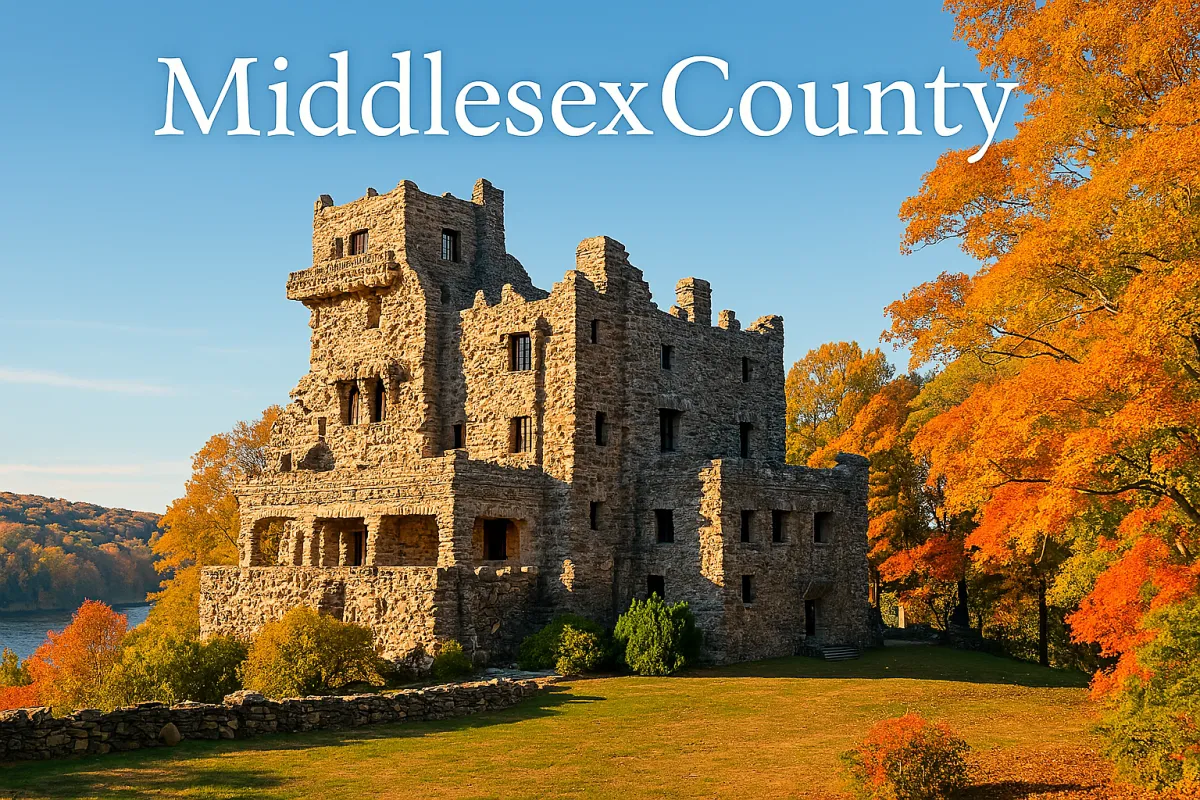
Fairfield County (Southwest Connecticut): Expect premium prices for proximity to New York City. Towns like Greenwich, Westport, and Darien rank among the nation's most expensive, with median home prices exceeding $800,000. However, you'll find relatively affordable options in Bridgeport and Stamford.
Hartford County (Central Connecticut): More moderate pricing with strong job markets. West Hartford and Glastonbury offer suburban appeal with median home prices around $350,000-$450,000, while Hartford city proper provides urban living under $200,000.
New Haven County (South-Central Connecticut): Mix of affordable and upscale options. Guilford and Madison command premium prices for coastal living, while Waterbury and Meriden offer affordability with easy highway access.
Litchfield County (Northwest Connecticut): Rural charm with seasonal variations. Washington and Kent attract wealthy second-home buyers, while Torrington and Winsted provide working-class affordability.
Research property tax rates specifically : they range from 0.72% in Greenwich to over 3% in some struggling municipalities, according to Connecticut's Office of Policy and Management.
What Transportation and Commute Factors Matter Most?
Connecticut's transportation infrastructure significantly impacts daily life and property values. Research these key factors:
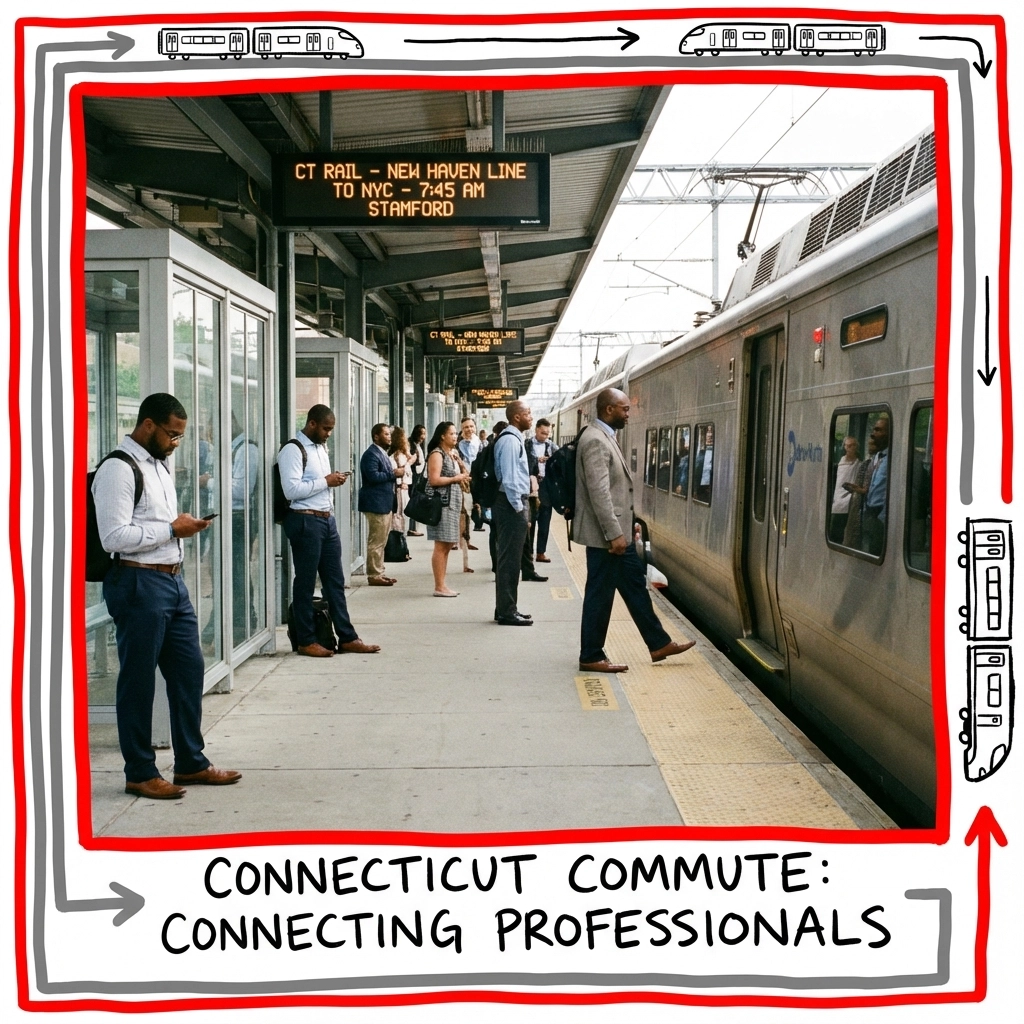
Metro-North Railroad: If you're commuting to New York City, proximity to Metro-North stations in Fairfield and New Haven counties can save hours weekly and boost home values by 10-15%, according to the American Public Transportation Association.
Interstate Access: I-95 runs along the coast, I-84 crosses east-west through central Connecticut, and I-91 connects north-south. Research rush hour patterns and recent traffic studies for your potential commute routes.
Bradley International Airport: Located in Windsor Locks, Bradley serves most of Connecticut but consider travel time for frequent flyers. Coastal residents often prefer New York area airports despite longer drives.
Public Transit: Connecticut Transit operates bus systems in Hartford, New Haven, and Stamford. Research routes and schedules if you prefer car-free living.
Use Google Maps' commute time feature to test your potential daily routes during actual rush hour periods. Connecticut's traffic patterns can add 30-60 minutes to off-peak travel times during busy periods.

How Do You Research Connecticut's Climate and Weather Patterns?
Connecticut experiences four distinct seasons, but microclimates vary across the state. The National Weather Service data shows coastal areas average 3-5 degrees warmer in winter and cooler in summer compared to inland regions.
Coastal Considerations: Long Island Sound moderates temperatures but increases humidity and storm exposure. Research flood zone maps through FEMA's website, especially for shoreline communities facing increasing storm risks.
Inland Climate: Central and northern Connecticut see more temperature extremes, with average snowfall ranging from 35 inches along the coast to 65+ inches in the northwest hills, according to the National Weather Service.
Seasonal Research: Visit Connecticut's climate data online portal to understand heating and cooling costs. Factor winter heating bills of $1,200-$2,400 annually for average homes, depending on fuel type and insulation quality.
Research recent weather events and municipal preparedness. Towns with strong snow removal budgets and emergency management plans handle Connecticut's variable weather more effectively.
What Local Amenities and Lifestyle Factors Should You Investigate?
Connecticut offers diverse lifestyle opportunities, from coastal recreation to cultural attractions. Research these key amenities:
Recreation and Parks: Connecticut maintains 92 state parks and forests. Research proximity to hiking trails, beaches, and seasonal activities that match your interests. The Connecticut Department of Energy and Environmental Protection website provides detailed park information and trail maps.
Healthcare Access: Research hospital quality and specialist availability. Connecticut ranks 7th nationally for healthcare quality according to the Commonwealth Fund, but rural areas may have limited specialist access.
Shopping and Dining: From Westport's boutique shopping to Hartford's diverse dining scene, Connecticut offers varied consumer experiences. Research downtown revitalization efforts and new business development in your target areas.
Cultural Attractions: Connecticut boasts world-class museums, theaters, and music venues. Research seasonal programming and membership costs for attractions you'll frequent.
Visit municipal economic development websites to understand planned improvements and business attraction efforts that could enhance your neighborhood's future value and amenities.
How Should You Time Your Connecticut Neighborhood Research?
Timing your research strategically reveals important neighborhood characteristics often missed during single visits.
Seasonal Variations: Visit potential neighborhoods during different seasons to understand year-round traffic patterns, school zone activity, and community energy levels. Summer lake towns feel dramatically different in February.
Weekday vs. Weekend Patterns: Research neighborhoods during both weekdays and weekends to understand commuter traffic, parking availability, and noise levels. Some Connecticut towns transform from quiet bedroom communities to busy commuter corridors.
School Calendar Impact: Time visits during school sessions to observe pickup/drop-off traffic and after-school activity levels. Summer visits might miss significant daily disruptions in family-oriented neighborhoods.
Local Event Schedules: Research annual events like town fairs, farmers markets, and seasonal celebrations. These reveal community engagement levels and potential noise or traffic impacts.
The National Association of Realtors recommends visiting potential neighborhoods at least three times at different times and seasons before making relocation decisions.
What Questions Should You Ask Current Connecticut Residents?
Connect with current residents through online forums, social media groups, or real estate agents. Ask these essential questions:
Daily Life Questions: What's your actual monthly budget for utilities, groceries, and transportation? Which local services exceed expectations? What seasonal challenges should newcomers expect?
Community Dynamics: How engaged is the community in local government? Are neighbors friendly and welcoming to newcomers? Which local traditions or events best represent the community spirit?
Practical Concerns: Which local contractors, services, and businesses do you recommend? What hidden costs surprised you after moving here? How has the neighborhood changed in recent years?
Future Development: Are any major developments planned that could impact traffic, schools, or property values? Which town initiatives excite you most about the future?
Document responses and cross-reference information from multiple sources to identify consistent themes and potential concerns.
Frequently Asked Questions
Q: How long should I research before choosing a Connecticut neighborhood?
A: Plan for 3-6 months of research if relocating from out of state. This allows time for seasonal visits, school research during academic sessions, and thorough comparison shopping across multiple communities.
Q: What's the biggest mistake relocators make when researching Connecticut neighborhoods?
A: Focusing solely on home prices without factoring in property taxes, commute costs, and utility expenses. Connecticut's high property taxes can add $500-$1,000+ to monthly housing costs compared to other states.
Q: Should I hire a buyer's agent familiar with Connecticut?
A: Absolutely. Connecticut's 169 towns have distinct zoning laws, tax rates, and market conditions. A local agent provides insider knowledge about neighborhood trends, upcoming developments, and hidden costs that online research might miss.
Q: How important are flood zones when researching Connecticut neighborhoods?
A: Very important, especially near Long Island Sound or rivers. Research FEMA flood zone maps and recent flooding history. Climate change increases storm risks, and flood insurance can add significant housing costs.
Q: What's the best time of year to visit potential Connecticut neighborhoods?
A: Late fall through early spring reveals year-round community character. Summer visits often show neighborhoods at their most attractive but miss winter challenges like snow removal, heating costs, and reduced community activity.
Ready to start your Connecticut neighborhood research? I'm here to help you navigate the Constitution State's diverse communities and find your perfect fit. Contact me today for personalized guidance and local insights that'll make your Connecticut relocation smooth and successful.
Let's turn your Connecticut dreams into your new address!
Sources
U.S. Census Bureau. American Community Survey 5-Year Estimates. 2022. https://www.census.gov/programs-surveys/acs
Tax Foundation. Facts & Figures 2023: Property Tax Collections Per Capita by State. https://taxfoundation.org/data/all/state/2023-state-tax-data/
National Association of Realtors. 2023 Profile of Home Buyers and Sellers. https://www.nar.realtor/research-and-statistics/research-reports/highlights-from-the-profile-of-home-buyers-and-sellers
Connecticut State Department of Education. Next Generation Accountability System Reports. https://edsight.ct.gov
National Weather Service. Connecticut Climate Data and Statistics. https://www.weather.gov/okx/LocalClimatologicalData
Commonwealth Fund. 2023 Scorecard on State Health System Performance. https://www.commonwealthfund.org/publications/scorecard/2023/jun/2023-scorecard-state-health-system-performance
American Public Transportation Association. Transit and Real Estate Values Study. https://www.apta.com/wp-content/uploads/The-Real-Estate-Mantra-Locate-Near-Public-Transportation.pdf
Economic Policy Institute. Family Budget Calculator 2023. https://www.epi.org/resources/budget/
Pew Research Center. Americans' Online Research Behaviors. 2023. https://www.pewresearch.org/internet/
Connecticut Office of Policy and Management. Municipal Property Tax Data. https://portal.ct.gov/opm/igpp/publications/mill-rates