












Sell Your Inherited House in CT: A Stress-Free Guide
Inheriting a home is often a bittersweet experience. While it represents a legacy left behind by a loved one, it also comes with a mountain of paperwork, legal hurdles, and emotional decisions. If you've recently found yourself responsible for a property in Connecticut, you might be feeling a bit overwhelmed. Between understanding the probate court and figuring out what to do with a house full of memories (and maybe a bit too much "stuff"), it’s a lot for anyone to handle.
I’m Melinda Walencewicz, and as a probate specialist here in Connecticut, I’ve helped countless families navigate this exact path. My goal is to make this transition as smooth as possible for you. Whether the house is a pristine colonial in Woodstock or a fixer-upper in Putnam that hasn't been touched in decades, there is a way forward that doesn't involve constant headaches.
Let’s walk through the steps of selling an inherited house in Connecticut so you can move forward with confidence.
Step 1: Determining Who Actually Owns the Property
Before you can stick a "For Sale" sign in the yard, you need to know exactly how the property was titled. This determines who has the legal right to sign a listing agreement. According to the National Association of Realtors (NAR), clear title is the very first hurdle in any real estate transaction, but it’s especially vital in estate sales (NAR, 2024).
In Connecticut, there are generally three ways the property is handled:
The Property is in a Trust: If your loved one placed the home in a trust, you might be able to skip the public probate process entirely. The successor trustee usually has the immediate authority to sell.
The Property is in a Will: If there is a will, it must be filed with the probate court. An executor will be appointed to manage the estate, including the sale of the home.
No Will (Intestate): If there was no will, Connecticut law decides who the heirs are. The court will appoint an administrator to handle the assets.
Regardless of which path you're on, you'll need the court's "Certificate of Appointment" before you can officially close on a sale.

Step 2: Navigating the Connecticut Probate Process
The word "probate" sounds scary, but it’s really just the court-supervised process of distributing a deceased person's assets. In Connecticut, the probate process typically takes anywhere from 9 to 18 months, depending on the complexity of the estate and how many creditors are involved (State of Connecticut Probate Courts, 2024).
As your probate specialist, I work closely with administrators and executors to ensure the real estate portion of the estate moves as quickly as possible. We don't want the house sitting empty in Windham or Vernon for over a year, racking up utility bills and property taxes.
One common question I get is: "Can I sell the house while it's still in probate?" The answer is yes! You can list the property and even accept an offer, but the final closing usually can't happen until the court gives the green light and all creditors have had their chance to file claims.
Step 3: Coordinating with Other Heirs
Inheriting a house with siblings or cousins can be a blessing or a recipe for conflict. For a sale to go through voluntarily, all heirs generally need to agree on the price and the terms.
If you find yourselves at a stalemate: perhaps one sibling wants to keep the family home in Brooklyn while the others want to sell: there are legal avenues like a "partition action." However, these are costly and time-consuming. It’s always better to reach a friendly agreement. I often act as a neutral third party to provide data and market realities that help families make a unified decision (Realtor.com, 2023).
Step 4: Assessing the Condition of the House
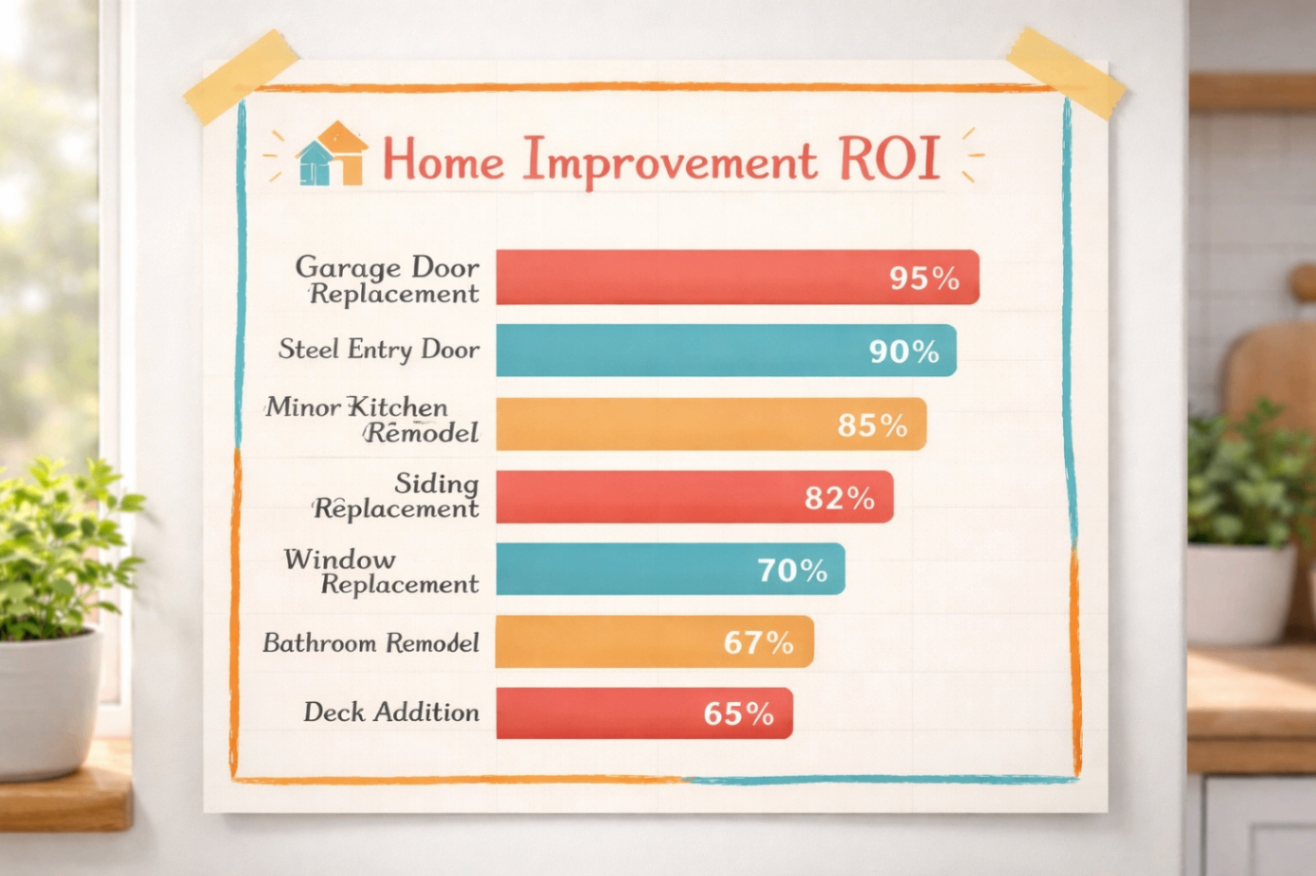
This is where things get real. Many inherited homes have been lived in for 30, 40, or even 50 years. They might need a new roof, updated electrical, or a total kitchen overhaul.
You have two main choices here:
The Traditional Route: You spend money on repairs, paint, and staging to get top dollar on the open market. This is great for homes in Tolland or Killingly that just need a little love.
The As-Is Route: You sell the house exactly as it sits today. You don't have to clean it out, you don't have to fix the leaky faucet, and you don't have to worry about inspections falling through.
My USP is simple: I help you sell in any condition. If you don't want to deal with a hoard or a failing foundation in Thompson, you don't have to. We can move on your timeline, whether that’s a quick two-week closing or giving you a few months to sort through personal belongings.
Step 5: Understanding the Tax Implications
I always recommend talking to a tax professional, but there is one piece of good news you should know about: the "step-up in basis."
When you inherit a property, the IRS typically "steps up" the value of the home to its fair market value on the date of the previous owner's death. This means if the house was bought for $50,000 in 1970 and is now worth $350,000, you only pay capital gains tax on the difference between the $350,000 value and what you sell it for (IRS, 2024). This can save heirs tens of thousands of dollars in taxes!

Step 6: Closing the Sale
Once the probate court is satisfied and we’ve found a buyer: whether it’s a family looking for their forever home in Pomfret or an investor ready to take on a project: it’s time to close.
You’ll need to gather:
The death certificate.
Letters Testamentary or Letters of Administration.
Property tax records.
Any existing mortgage payoff information.
As your Realtor, I handle the heavy lifting here, coordinating with the attorneys and the court to ensure that when we hit the closing table, there are no last-minute surprises.
Why Work With a Probate Specialist?
Selling an inherited property isn't like a standard residential sale. It requires a specific understanding of Connecticut probate laws and a healthy dose of empathy. Whether your property is in Ashford, Canterbury, Chaplin, Eastford, Hampton, Plainfield, Scotland, Sterling, Willington, or Union, I’m here to help.
I pride myself on being flexible. If you need to sell fast to pay off estate debts, I can make that happen. If you need time to grieve and want to sell six months from now, I’ll be ready when you are.
Call me at 860-985-4363 or visit melindatherealtor.com for a free consultation. Never too busy for you to be my #1 client.
Frequently Asked Questions (FAQs)
1. How long does it take to sell an inherited house in Connecticut?
While the probate process can take 9-18 months, the actual sale of the house can happen much faster once an executor is appointed. If you sell to a cash buyer or in "as-is" condition, you can often close in as little as 21 days after court approval.
2. Do I have to clean out the house before selling?
Not if you work with me! I specialize in buying houses in any condition. If the task of cleaning out decades of belongings is too much, you can take what you want and leave the rest to us.
3. What if there are multiple heirs who don't agree?
This is common. Usually, we try to provide a clear market analysis to show everyone the reality of the home's value. If agreement is impossible, a court can order a sale through a partition action, though we try to avoid that to save you money.
4. Is there an estate tax in Connecticut?
Connecticut does have an estate tax, but it only applies to very large estates (usually over $13 million as of 2024/2025). Most residential home inheritances fall well below this threshold, but you should always check with a local tax expert.
5. Can I sell the house if the mortgage is higher than the home's value?
This is known as being "underwater." In this case, we may need to negotiate a short sale with the bank, which requires additional steps through the probate court and the lender.
Sources
Internal Revenue Service (IRS). (2024). Inherited Property. https://www.irs.gov
National Association of Realtors (NAR). (2024). Real Estate Post-Death Transfers. https://www.nar.realtor
Realtor.com. (2023). Selling an Inherited Home. https://www.realtor.com
State of Connecticut Probate Courts. (2024). User Guide to Probate. https://www.ctprobate.gov