












Smart Pre-Sale Renovations to Maximize Connecticut Home Value
Thinking about selling your Connecticut home in 2026? You're probably wondering which renovations will actually boost your sale price and which ones might just drain your wallet. With Connecticut's median home price reaching $320,000 in 2024, according to the National Association of Realtors, strategic pre-sale improvements can mean the difference between a quick, profitable sale and months on the market.
What Pre-Sale Renovations Offer the Best Return on Investment in Connecticut?
The key is focusing on improvements that Connecticut buyers actually want. According to recent market analysis, kitchen and bathroom renovations consistently deliver the highest returns, often recouping 60-80% of investment costs at sale time.
Kitchen Renovations That Pay Off
Minor kitchen remodels typically return about 72% of their cost in Connecticut markets, based on Remodeling Magazine's Cost vs. Value Report. Focus on these high-impact changes:
Quartz countertops are dominating 2026 buyer preferences over granite, offering better durability and lower maintenance
Smart storage solutions like pull-out pantry systems and appliance garages appeal to efficiency-focused buyers
Fresh cabinet hardware and paint can transform a dated kitchen for under $2,000
Bathroom Updates That Attract Buyers
Connecticut buyers are gravitating toward spa-inspired bathroom features in 2026. Big-format tiles are trending because they create cleaner lines and require less maintenance - exactly what busy homeowners want.
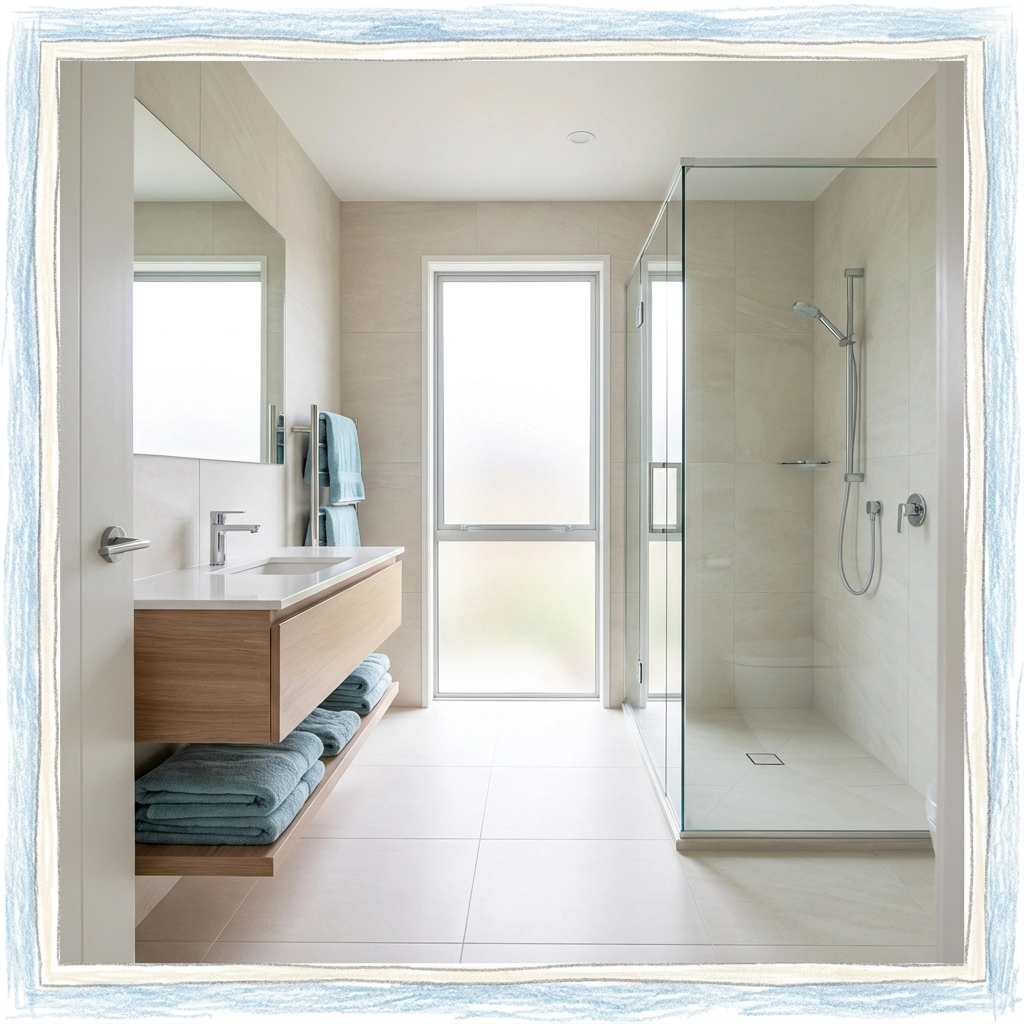
Popular color palettes include soft neutrals like ivory and warm grays, plus coastal blues and greens that reflect Connecticut's seaside influence. These choices create calming, universally appealing spaces that help buyers envision themselves living there.
Should You Invest in Outdoor Living Spaces Before Selling?
Absolutely, especially in Connecticut where outdoor entertaining is central to the lifestyle. The Connecticut Association of Realtors reports that homes with well-designed outdoor spaces sell 15% faster than those without.
Trending Outdoor Improvements for 2026:
Outdoor kitchens are increasingly popular, with even basic setups adding $5,000-$15,000 in perceived value
Porcelain pavers around pool areas and patios offer durability and style that appeals to Connecticut's climate
Fire pits and seating areas extend the usable season and create emotional connection for buyers
The key is creating seamless interior-exterior integration through features like large windows, French doors, or folding glass walls that connect indoor and outdoor spaces.
Which Energy-Efficient Upgrades Matter Most to Connecticut Buyers?
With Connecticut's high energy costs, buyers actively seek homes with efficiency features. The U.S. Department of Energy estimates that strategic energy improvements can boost home value by 2-4%.
High-Impact Energy Upgrades:
LED lighting throughout shows immediate cost savings to buyers
Smart thermostats demonstrate modern efficiency and convenience
Energy-efficient windows particularly matter in Connecticut's climate, potentially adding $8,000-$12,000 in value
Improved insulation in attics and basements addresses Connecticut's heating and cooling challenges
Sustainable design elements like reclaimed wood accents or water-saving fixtures also appeal to environmentally conscious buyers, who represent a growing segment of the Connecticut market.
How Important Is Curb Appeal for Connecticut Home Sales?
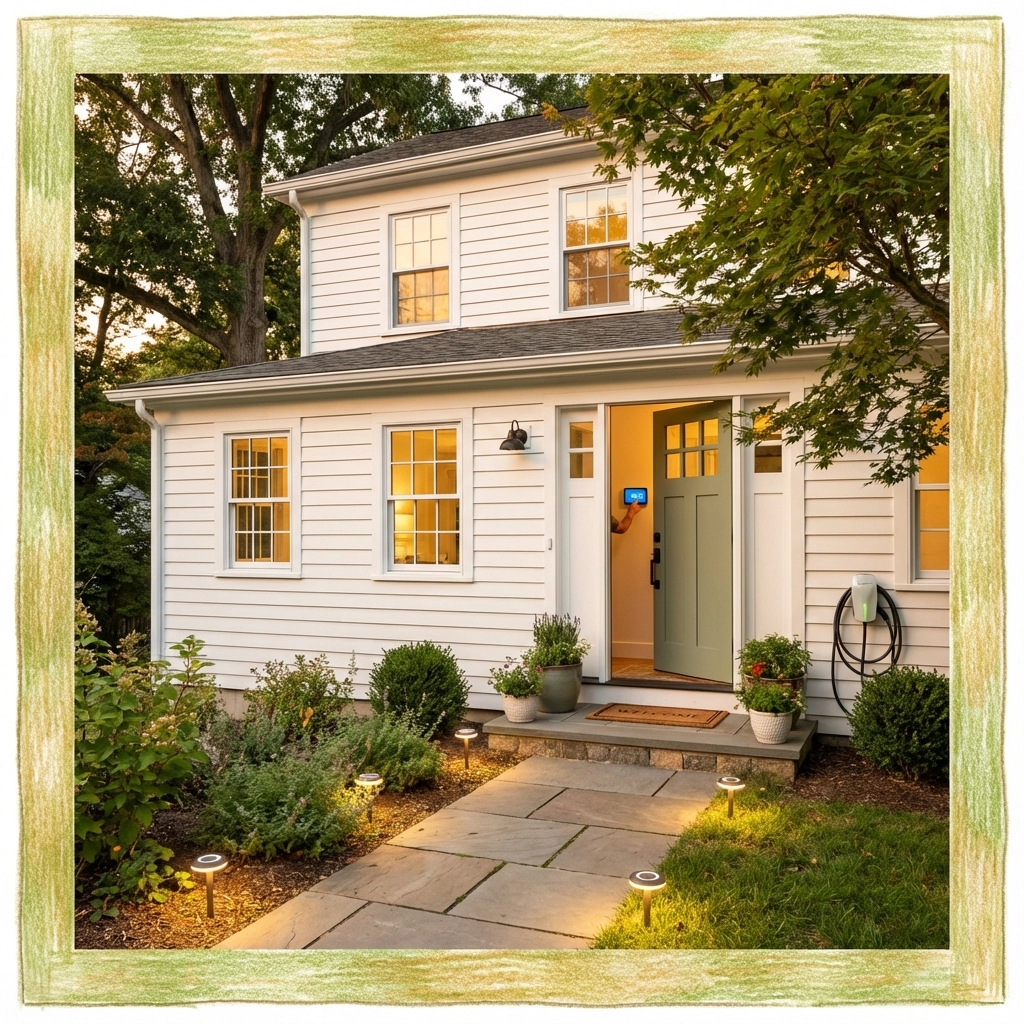
First impressions matter enormously in Connecticut's competitive market. Homes with strong curb appeal sell 7% faster and for 5-11% more than comparable properties, according to studies from the National Association of Realtors.
Budget-Friendly Curb Appeal Improvements:
Fresh exterior paint offers one of the highest returns - often 150-200% ROI
Landscaping upgrades including native Connecticut plants that require less maintenance
Updated front door and hardware creates an immediate focal point
Clean, well-maintained walkways and driveways signal overall home care to buyers
Connecticut's four distinct seasons mean your home needs to look appealing year-round. Consider plantings that offer winter interest and ensure pathways are safe and attractive even during snow season.
What About Interior Design Trends for 2026?
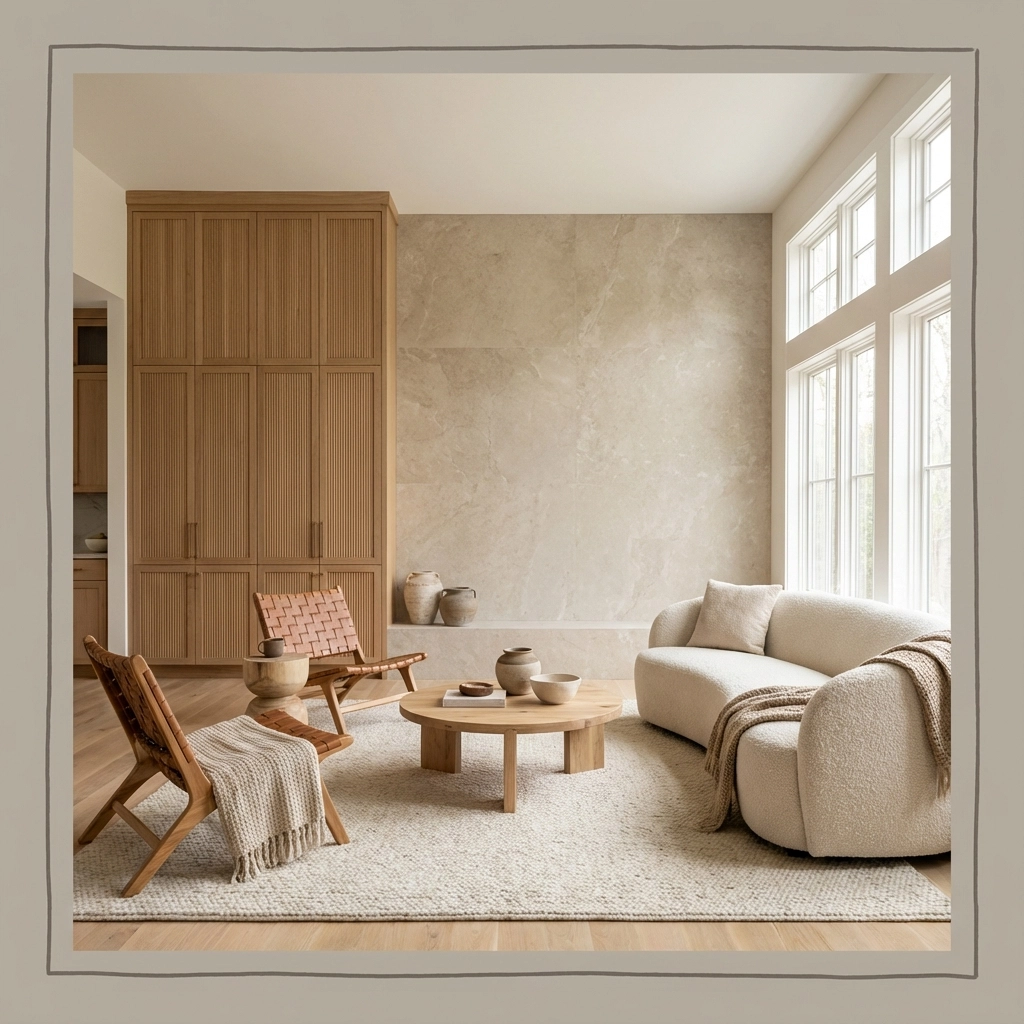
Connecticut buyers are moving toward texture over bold patterns in 2026. This means focusing on sophisticated finishes like fluted wood, matte stone surfaces, and natural materials that create timeless appeal.
Design Elements That Add Value:
Floor-to-ceiling storage maximizes Connecticut homes' often limited square footage
Neutral color palettes allow buyers to envision their own belongings in the space
Natural light enhancement through skylights or larger windows appeals to buyers seeking connection with nature
Open floor plans where structurally possible, especially in older Connecticut homes
Remember, the goal isn't to create your dream home - it's to create a space that appeals to the broadest range of potential buyers.
Should You DIY or Hire Professionals for Pre-Sale Renovations?
This depends on your skill level, timeline, and the specific renovation. Connecticut's building codes are strict, and permits are required for many improvements that might seem simple.
Safe DIY Projects:
Painting (interior and exterior)
Updating hardware and fixtures
Basic landscaping
Minor kitchen cabinet refreshing
Always Hire Professionals For:
Electrical work
Plumbing modifications
Structural changes
Roof repairs or replacement
Poor DIY work can actually decrease home value and create red flags for buyers. When in doubt, consult a professional - the investment often pays off in both safety and final sale price.
How Much Should You Spend on Pre-Sale Renovations?
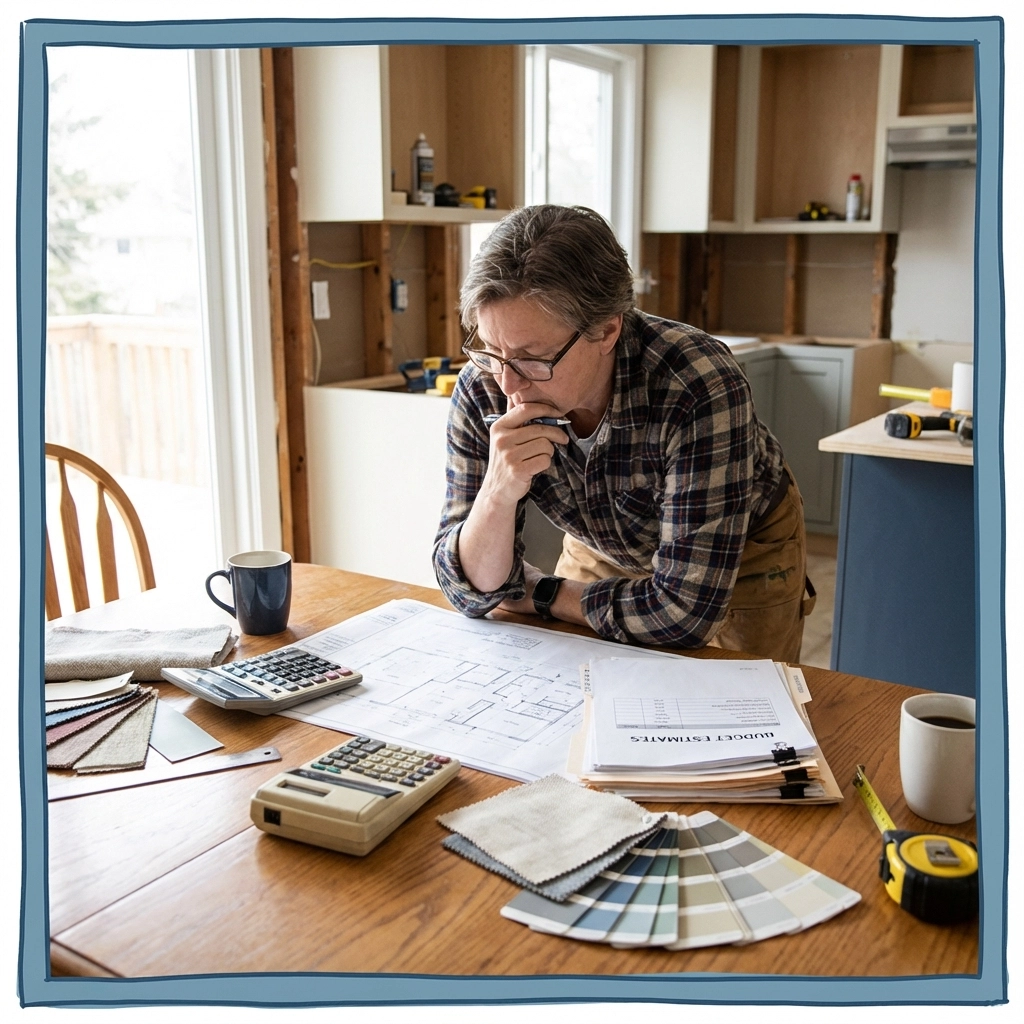
Financial experts typically recommend spending no more than 5-10% of your home's value on pre-sale improvements. For a $350,000 Connecticut home, that's $17,500-$35,000 maximum.
Prioritize renovations based on:
Safety issues (electrical, plumbing, structural) - these must be addressed
High-impact, low-cost improvements like painting and minor updates
Major renovations only if they're absolutely necessary for marketability
Track all improvement receipts - these can often be used to reduce capital gains taxes when you sell.
What Renovations Should You Avoid Before Selling?
Some improvements simply don't pay off in Connecticut's market:
Avoid These Pre-Sale Renovations:
Luxury amenities like wine cellars or home theaters (too personal)
High-end appliances in modest homes (over-improving for the neighborhood)
Swimming pool installation (limited season use in Connecticut)
Highly personalized features like bold wallpaper or unique built-ins
Focus on improvements that appeal to mainstream buyers rather than niche preferences.
FAQ
Q: When should I start planning pre-sale renovations?
A: Begin planning 3-6 months before listing. This allows time for permits, contractor scheduling, and completing work without rushing.
Q: Do I need permits for pre-sale renovations in Connecticut?
A: Many improvements require permits. Contact your local building department before starting any electrical, plumbing, or structural work.
Q: Should I renovate if I'm selling an older Connecticut home?
A: Focus on safety and functionality first. Buyers of older homes often expect some updating, but major renovations may not provide full return on investment.
Q: How do I choose the right contractor for pre-sale work?
A: Get multiple quotes, check references, verify licensing and insurance, and ensure they're familiar with Connecticut building codes.
Q: Can I deduct renovation costs from my taxes when I sell?
A: Some improvements may reduce capital gains taxes. Consult a tax professional for specific guidance on your situation.
Ready to maximize your Connecticut home's value before selling? The key is making strategic improvements that appeal to today's buyers while staying within a reasonable budget. Focus on the renovations that matter most - kitchens, bathrooms, energy efficiency, and curb appeal - and you'll be well-positioned for a successful sale.
Need guidance on which improvements make sense for your specific Connecticut property? Contact our team for personalized advice based on current market conditions and your home's unique characteristics.
Sources
National Association of Realtors. (2024). Home Buyers and Sellers Generational Trends Report. https://www.nar.realtor/research-and-statistics/research-reports/home-buyer-and-seller-generational-trends
Remodeling Magazine. (2024). Cost vs. Value Report. https://www.remodeling.hw.net/cost-vs-value/2024/
U.S. Department of Energy. Energy Efficiency and Home Value. https://www.energy.gov/eere/buildings/articles/study-finds-home-energy-score-positively-linked-sale-price-and-loan
Connecticut Association of Realtors. (2024). Market Statistics and Trends. https://www.ctrealtors.com/