











Become a Homeowner in Connecticut: 2026 Guide
Connecticut Real Estate, First-Time Homebuyers
Breaking the Rent Cycle: How Connecticut Renters Can Become Homeowners
If you rent in Connecticut, you’ve probably felt it: each year your rent inches up, but your sense of stability doesn’t. Imagine instead waking up in a home that’s truly yours — where every payment builds your future, not your landlord’s. In a state as beautiful and opportunity-filled as Connecticut, moving from renter to homeowner isn’t just a dream; it’s a realistic goal for 2026 with the right plan, support, and programs designed specifically for you.
Why Owning in Connecticut Can Change Your Future
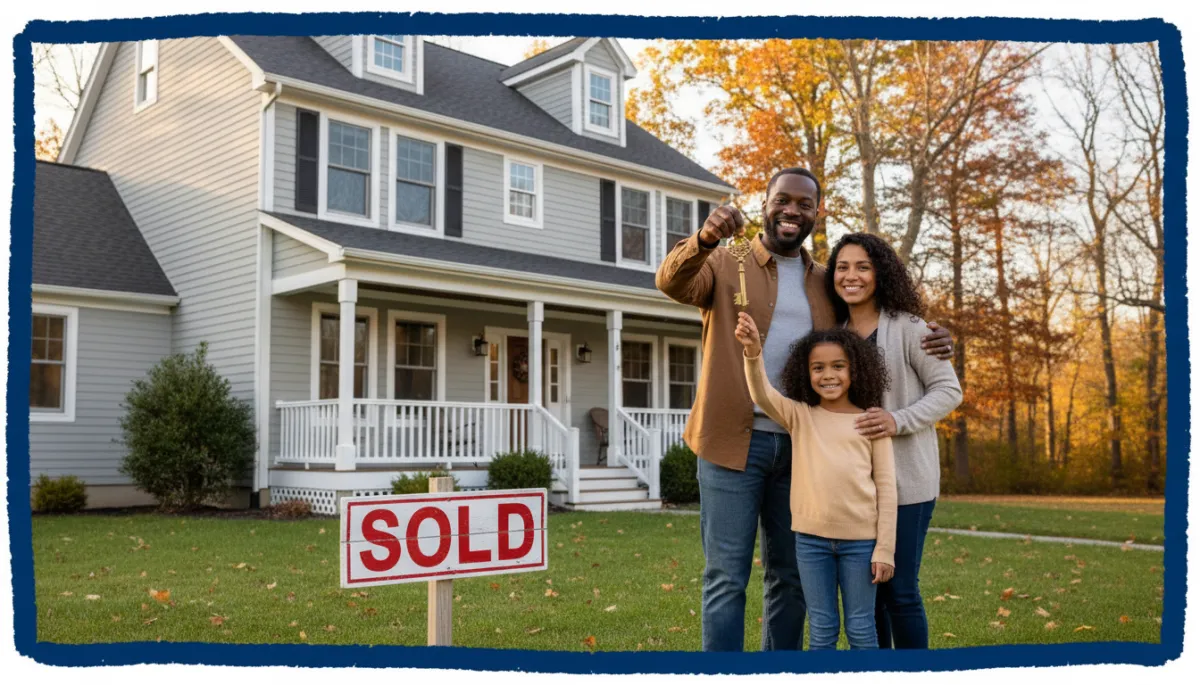
Homeownership is more than a set of keys and a monthly mortgage. It’s stability for your family, a chance to personalize your space, and one of the most powerful ways to build long-term wealth. For many Connecticut renters, the biggest mental shift is realizing that you don’t have to be “rich” to buy. You need a clear plan, smart use of first-time buyer programs CT offers, and a local expert in your corner who understands what it takes to buy your first home in this market.
The Real Cost of Renting vs. Owning in Connecticut
In many Connecticut towns, the monthly cost of owning can be surprisingly close to what you’re already paying in rent. Median rents for a modest two-bedroom apartment were around $1,500 in recent reports, and those numbers have been climbing year after year. When you rent, that money disappears the moment it’s paid — no equity, no tax benefits, and no control over future increases.
By contrast, a starter home in the $300,000–$375,000 range, paired with today’s first-time buyer mortgages, might put your principal-and-interest payment in the same ballpark as your rent, once you factor in down payment assistance and potentially lower mortgage insurance through programs like CHFA’s HFA Preferred and Advantage(SoFi). Yes, you’ll add taxes and insurance — but you’ll also build equity as you pay down your loan and as Connecticut home values continue their long-term upward trend(Zillow).
How to Start Saving for a Down Payment in Connecticut
One of the biggest myths about how to buy first home CT is that you need 20% down. In reality, many buyers put down 3–5%, and some programs effectively cover most or all of that. Still, having some savings gives you options and confidence. Here’s how to get started:
- Create a “future home” budget. Track your current rent, utilities, and spending. Then decide how much you can realistically redirect each month toward a dedicated down payment account.
- Automate your savings. Set up an automatic transfer on payday so saving becomes non-negotiable, not an afterthought.
- Capture “extra” money. Tax refunds, bonuses, side-gig income, and even gifts from family can all accelerate your path from renter to homeowner Connecticut buyers dream about.
Connecticut is also exploring first-time homebuyer savings accounts and tax incentives that may launch in 2026–2027, which could make saving even more rewarding(CGA). Starting now positions you to take full advantage when they arrive.
CT First-Time Buyer Programs and Grants Available in 2026
Connecticut is one of the most supportive states for first-time buyers. Through the Connecticut Housing Finance Authority (CHFA) and partner organizations, there are powerful Connecticut down payment assistance options that can help you step into homeownership sooner than you think:
- Time to Own Program. A 0% interest, no-payment second mortgage that can provide up to $25,000 statewide — and up to $50,000 in designated high-opportunity areas. It’s forgiven over 10 years as long as you stay in the home and keep it as your primary residence(CHFA).
- Down Payment Assistance Program (DAP). A low-interest second mortgage that can cover $15,000–$20,000 in down payment and closing costs when paired with a CHFA first mortgage(SoFi).
- CHFA HFA Preferred & Advantage Mortgages. 30-year fixed-rate loans with below-market interest rates and reduced mortgage insurance, making monthly payments more affordable for first-time buyers(Refiguide).
- Special rate reductions. Teachers, police officers, active-duty military, veterans, and households with disabled members may qualify for additional interest rate discounts through CHFA.
- Local city programs. Hartford, Bridgeport, New Haven, Enfield, and other towns offer their own grants or deferred loans for first-time buyers, often layered on top of CHFA programs(SeekingAgents).
Starting October 1, 2026, many first-time buyers using CHFA financing could also benefit from a new property tax abatement of up to $500 per year for up to five years, depending on local adoption(CGA). These incentives are designed to make CT homeownership 2026 more attainable than ever.
Building Your Credit to Qualify for a Mortgage
Most CHFA and conventional first-time buyer loans look for a minimum credit score around 620, though FHA loans can be more flexible. If your credit isn’t there yet, don’t be discouraged — you can make meaningful progress in 6–12 months with focused effort(NerdWallet).
- Pull your credit reports and dispute errors with the bureaus if needed(Experian).
- Pay every bill on time — payment history is the single biggest factor in your score.
- Reduce credit card balances so you’re using less than 30% of each limit, ideally 10% or less.
- Avoid opening new debt right before you apply for a mortgage.
If you’re starting from limited credit, secured cards or small credit-builder loans can help establish a positive history(Bankrate). Think of every on-time payment as another brick in the foundation of your future home.
Finding the Right Connecticut Neighborhood as a First-Time Buyer
Connecticut offers incredible variety: walkable city neighborhoods in Hartford or New Haven, coastal communities along the shoreline, and quiet cul-de-sacs in towns like Enfield, Middletown, or Manchester. As a first-time buyer, focus on more than just the house — focus on how you want to live.
- Commute and lifestyle. How long do you want to spend in the car or on the train? Do you want nightlife, nature, or both?
- Budget reality. Some towns with slightly longer commutes offer lower prices, meaning your path from renter to homeowner Connecticut-wide might start in a place you hadn’t considered yet.
- Future growth. Look for areas with planned development, improving schools, or new employers, which can support long-term home value.
How to Work with a Connecticut Realtor Who Specializes in First-Time Buyers
The right realtor is your guide, advocate, and coach through this entire process. When you’re exploring first-time buyer programs CT offers, you want someone who understands CHFA, municipal grants, and how to structure offers that work with down payment assistance timelines. A great first-time buyer specialist will:
- Listen closely to your budget, lifestyle, and fears — and turn them into a step-by-step plan.
- Connect you with trusted local lenders who are experienced with CHFA, Time to Own, DAP, FHA, VA, and USDA loans.
- Walk you through each offer, inspection, and negotiation in plain language, so you always feel in control.
You don’t have to figure out how to buy first home CT on your own. Partnering with a realtor who lives and breathes first-time homeownership can turn an overwhelming process into an empowering one.
Call me at 860-985-4363 or visit melindatherealtor.com for a free consultation. Never too busy for you to be my #1 client.
FAQ: From Renter to Homeowner in Connecticut
- How much do I really need for a down payment in Connecticut?
- Many first-time buyers put down 3–5%, and with CHFA’s Time to Own and DAP programs, plus local grants, your out-of-pocket cash could be far less than you expect. The key is getting preapproved early so you know your exact numbers.
- My credit isn’t perfect. Can I still buy a home in 2026?
- Yes. Many renters with “okay” credit become homeowners after 6–12 months of focused credit work. FHA and some CHFA-backed loans are designed to be more flexible. A lender can review your situation and map out specific steps to qualify.
- Are there special programs for teachers, veterans, or first responders?
- Yes. CHFA offers interest rate reductions for teachers, police officers, military members, veterans, and households with disabilities. These can be combined with down payment assistance, making CT homeownership 2026 especially attractive for these groups.
- How long does it take to go from renter to homeowner in Connecticut?
- Once your credit, savings, and paperwork are ready, many buyers go from preapproval to keys in 45–90 days. If you’re starting with credit repair or building savings, your timeline might be longer — but every step you take this year moves you closer to owning.
- Can I use more than one assistance program at the same time?
- Often, yes. Many buyers layer a CHFA mortgage with Time to Own, DAP, and a local city grant. A knowledgeable lender and realtor team will help you “stack” programs correctly and meet all guidelines.
Sources
- Connecticut Housing Finance Authority – Time to Own & DAP Programs: chfa.org
- First-Time Home Buyer Programs in Connecticut: seekingagents.com, refiguide.org, sofi.com
- Connecticut Home Values & Rental Trends: zillow.com, apartmentlist.com
- Credit Building & Mortgage Preparation: nerdwallet.com, experian.com, bankrate.com
- Connecticut General Assembly – Property Tax Abatement & Homebuyer Legislation: cga.ct.gov