











Guide to Selling Connecticut Probate Real Estate
Connecticut Living, Tuesday Probate, Probate Real Estate
The Executor's Complete Guide to Selling Connecticut Probate Real Estate
If you are an executor or heir in Connecticut, you may be juggling grief, family expectations, and a house that suddenly needs to be sold. It is common to feel overwhelmed and to simply want to “get this done right” without making a costly mistake. This Tuesday Probate guide from Connecticut Living, written for you by Realtor Melinda Walencewicz (MelindaTheRealtor), walks you step by step through selling a probate property in our state with clarity and compassion.

Step 1: Understand How Connecticut Probate Works
Probate is the legal process where the Connecticut Probate Court oversees the transfer of a person’s assets after death. For most estates that include real estate, the case is opened in the Probate Court for the town where the person lived. The will and death certificate are filed, and the court confirms who is legally in charge of the estate. In Connecticut, many estates move through probate in roughly six to eighteen months although more complex situations can take longer ( Connecticut Probate Courts ).
While each case is unique, most follow a similar path: the executor files required forms with the court, creditors are notified, debts and taxes are paid, and only then can remaining assets be fully distributed. Real estate can often be listed and sold while the probate is still open, as long as the proper approvals are in place. Your sale will need to respect both Connecticut Superior Court filing requirements and local Probate Court rules, which is why having knowledgeable professionals around you matters so much.
Step 2: Know Your Responsibilities as Executor or Administrator
If you are named executor in the will, or appointed as administrator when there is no will, you are the fiduciary for the estate. After the court accepts the will, you will receive Letters Testamentary or Letters of Administration from the Probate Court. This official document gives you legal authority to act on behalf of the estate, including signing listing agreements, accepting offers, and signing closing documents for the property.
Your key responsibilities include:
- Inventorying assets: Creating a complete list of what the decedent owned and owed, including the home, vehicles, bank accounts, and debts, and filing that inventory with the Probate Court on time.
- Appraising real estate: Obtaining a credible valuation of the property so the court and taxing authorities know its fair market value on the date of death.
- Protecting the property: Maintaining insurance, utilities, and basic upkeep so the home does not lose value while the estate is being settled.
It is a lot to carry, especially while you are grieving. Remember that you do not have to do it alone. A Connecticut probate attorney and an experienced probate realtor can shoulder much of the practical work so you can focus on your family.
Step 3: Determine Whether Court Approval Is Needed to Sell
In Connecticut, estates may be handled as supervised or unsupervised depending on the complexity of the case and the Probate Court’s orders. In an unsupervised estate, the executor often has more freedom to sell property as long as it is in the best interest of the estate and consistent with the will. In a supervised estate, the court may require you to seek specific approval for the sale, including approval of the final contract price and terms.
Your attorney can review the decree appointing you and confirm what the court expects before you list the home. A probate savvy realtor like MelindaTheRealtor will coordinate timelines with your attorney so buyer expectations, inspection deadlines, and closing dates align with court requirements rather than work against them.
Step 4: Order a Probate Specific Appraisal for Fair Market Value
For Connecticut estates, the court and the Department of Revenue Services typically look for a well documented fair market value at the date of death. This is different from a quick online estimate. A licensed appraiser prepares a written report that considers recent comparable sales, property condition, and local market trends ( Nolo Connecticut probate overview ).
This probate specific appraisal serves several purposes. It supports the inventory you file with the Probate Court, helps set a realistic listing price, and establishes the “step up in basis” for future capital gains tax calculations. Melinda regularly works with Connecticut appraisers who understand estate needs and timelines, so you are not left scrambling to find the right professional at the last minute.
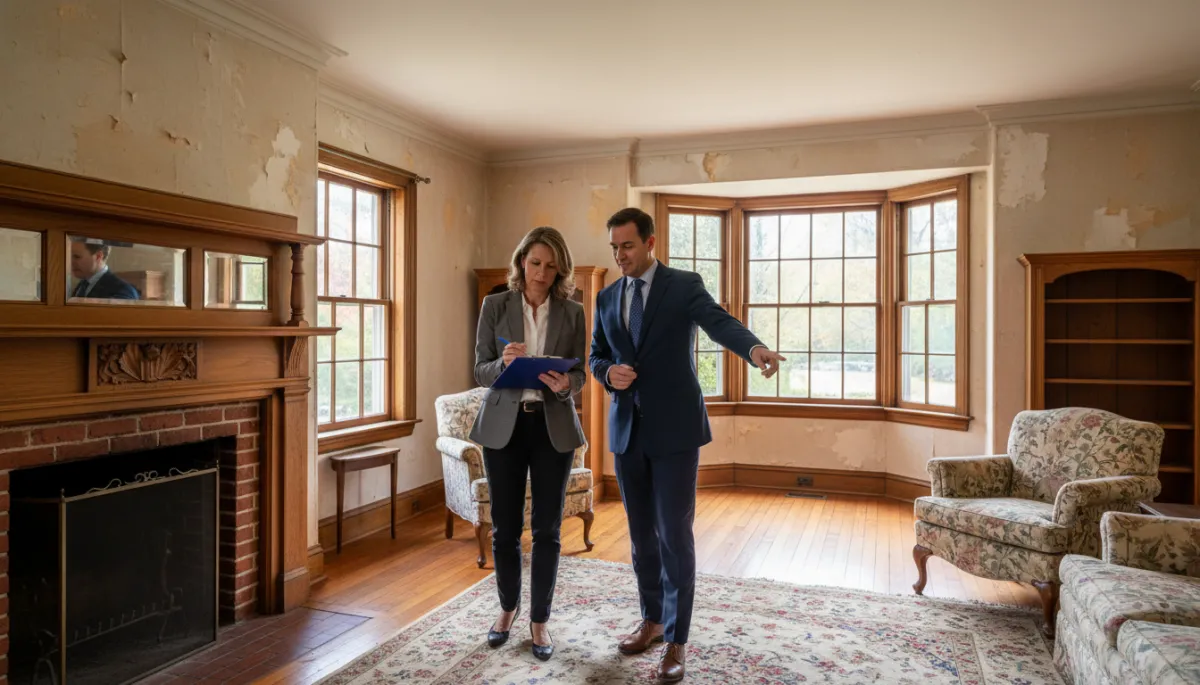
A probate focused appraisal anchors pricing and supports the estate’s legal and tax filings.
Step 5: Prepare the Property with Realistic Goals and Family Input
Many probate homes have deferred maintenance or long loved belongings in every room. Some may have tenants or a family member still living there. Instead of aiming for perfection, focus on what will make the largest impact within your budget and time frame. Safety repairs, cleaning, and clearing out excess clutter usually give the best return. Cosmetic updates can be considered if the estate has the funds and the market will reward them.
Tenant and occupant situations require special care. Connecticut has strong tenant protections, and any existing lease or informal agreement needs to be reviewed with your attorney before you promise a buyer vacant possession. When there are multiple heirs, emotions and opinions can run high. A neutral, professional voice like Melinda’s often helps families reach shared decisions about what to keep, donate, or sell, and about whether to sell the property “as is” or after some improvements.
Step 6: Choose a Connecticut Realtor Who Understands Probate
Not every agent is comfortable navigating the extra layers of a probate sale. When you interview realtors, ask specifically about their experience with Connecticut probate real estate and how they coordinate with estate attorneys and the Probate Court. Look for someone who:
- Has closed multiple probate or estate sales in your county and understands local court expectations.
- Maintains strong relationships with Connecticut estate attorneys, appraisers, and clean out companies.
- Shows patience with the process and respects that you may need more time and conversation than a typical seller.
As MelindaTheRealtor, Melinda Walencewicz combines market expertise with a calm, compassionate approach. She understands that this is not just a transaction. It is a chapter of your family story, and it deserves careful handling.
Step 7: Navigate Capital Gains and Connecticut Estate Taxes
Two tax concepts often come up when selling inherited property: capital gains tax and Connecticut estate tax . The good news for most families is that Connecticut estate tax only applies to very large estates. For 2026, the Connecticut estate tax exemption is 15 million dollars with a 12 percent tax rate only on the value above that amount ( LegalClarity Connecticut estate tax guide ).
Capital gains tax is more common and applies when heirs later sell the property. Fortunately, inherited real estate usually receives a step up in basis . That means instead of using what your loved one originally paid for the home, the tax basis becomes the fair market value at the date of death, as shown on your probate appraisal. If you sell fairly soon and for close to that value, any taxable gain is often small. Your probate attorney or tax professional can review your specific numbers so you are not surprised at tax time.
Step 8: Close with a Connecticut Real Estate Attorney
Connecticut requires an attorney to handle real estate closings. For probate sales, this attorney plays an especially important role. They order a title search to confirm the estate has clear ownership to convey, identify any liens or mortgages, and work with the Probate Court to obtain any required approvals or releases. If there are old mortgages, municipal liens, or judgments, the attorney will help resolve them so the buyer receives clear title at closing.
Your closing attorney also prepares the deed from the estate to the buyer, manages the flow of funds, and ensures that sale proceeds are properly disbursed to the estate account. From there, the executor can pay remaining expenses and, with court approval, distribute what is left to the heirs. This final step can feel like a deep breath after many months of responsibility.
Working with a Realtor Who Honors Both the Process and Your Grief
Probate real estate is about more than contracts and court forms. It is about navigating family dynamics, honoring memories, and making practical decisions in the middle of loss. A thoughtful realtor will listen to your concerns, explain each step in plain language, and create a timeline that respects both the court’s requirements and your emotional bandwidth.
MelindaTheRealtor brings a steady, organized approach to each Connecticut probate sale she handles. From coordinating clean outs and minor repairs to communicating with attorneys and buyers, she helps you move forward without feeling rushed or alone. Her goal is simple: help you “get this done right” so you can close this chapter with confidence and peace of mind.
Ready for Steady Guidance on Your Connecticut Probate Sale?
If you are feeling the weight of selling an inherited property, you do not have to figure it out on your own. Whether your loved one’s home is in Hartford, New Haven, Fairfield County, or a quiet Connecticut town, you deserve clear answers and a caring professional in your corner from the first court filing to the final closing.
Call me at 860-985-4363 or visit melindatherealtor.com for a free consultation. Never too busy for you to be my #1 client.
Frequently Asked Questions about Connecticut Probate Real Estate
Q1: How soon can we list the house after someone passes away in Connecticut?
In many cases, you can begin preparing and even listing the property once the Probate Court has appointed an executor or administrator and issued Letters Testamentary or Letters of Administration. The exact timing depends on the court’s orders and whether the estate is supervised. Your attorney and realtor will coordinate to be sure the listing and eventual sale comply with those requirements.
Q2: What happens if the heirs do not agree on selling the property?
Disagreements among heirs are common and very human. The executor’s job is to follow the will and Connecticut law, not individual preferences. A skilled probate realtor can facilitate calm discussions about options, provide neutral market data, and help the family understand the financial impact of keeping versus selling. If conflict continues, the Probate Court can ultimately make decisions in the best interest of the estate.
Q3: Will the estate owe Connecticut estate tax on the house?
Only very large estates owe Connecticut estate tax. For 2026, the exemption is 15 million dollars, and tax is applied only to the amount above that threshold ( Connecticut Department of Revenue Services ). Most families will not owe Connecticut estate tax, though capital gains tax may apply later if heirs sell the property for significantly more than its appraised date of death value.
Sources
- Connecticut Probate Courts https://www.ctprobate.gov/
- Nolo, “Connecticut Probate Process” https://www.nolo.com/legal-encyclopedia/connecticut-probate-process.html
- LegalClarity, “Connecticut Estate Tax: What You Need to Know” https://legalclarity.org/connecticut-estate-tax-what-you-need-to-know/
- Connecticut Department of Revenue Services, Estate and Gift Tax Information https://portal.ct.gov/drs/individuals/individual-income-tax-portal/estate-and-gift-taxes/tax-information