












CT Housing Market: Slowing or Stabilizing in 2026?
If you've been following Connecticut's real estate market lately, you've probably heard conflicting reports about where we're heading. Some say the market's "cooling down," while others claim it's "stabilizing." But what does that actually mean for you as a buyer or seller?
Let me break down what's really happening in Connecticut's housing market right now, using real data and plain English explanations that'll help you make informed decisions.
The Difference Between Slowing and Stabilizing
Before we dive into the numbers, let's clarify what we mean by these terms. A slowing market means activity is decreasing – fewer sales, longer time on market, and reduced buyer competition. A stabilizing market suggests things are leveling off at a new normal, with consistent activity and predictable patterns.
Based on current data, Connecticut's market is definitely slowing rather than stabilizing. Here's why that distinction matters for your real estate decisions.
Connecticut Home Prices: Still Rising, But at a Slower Pace
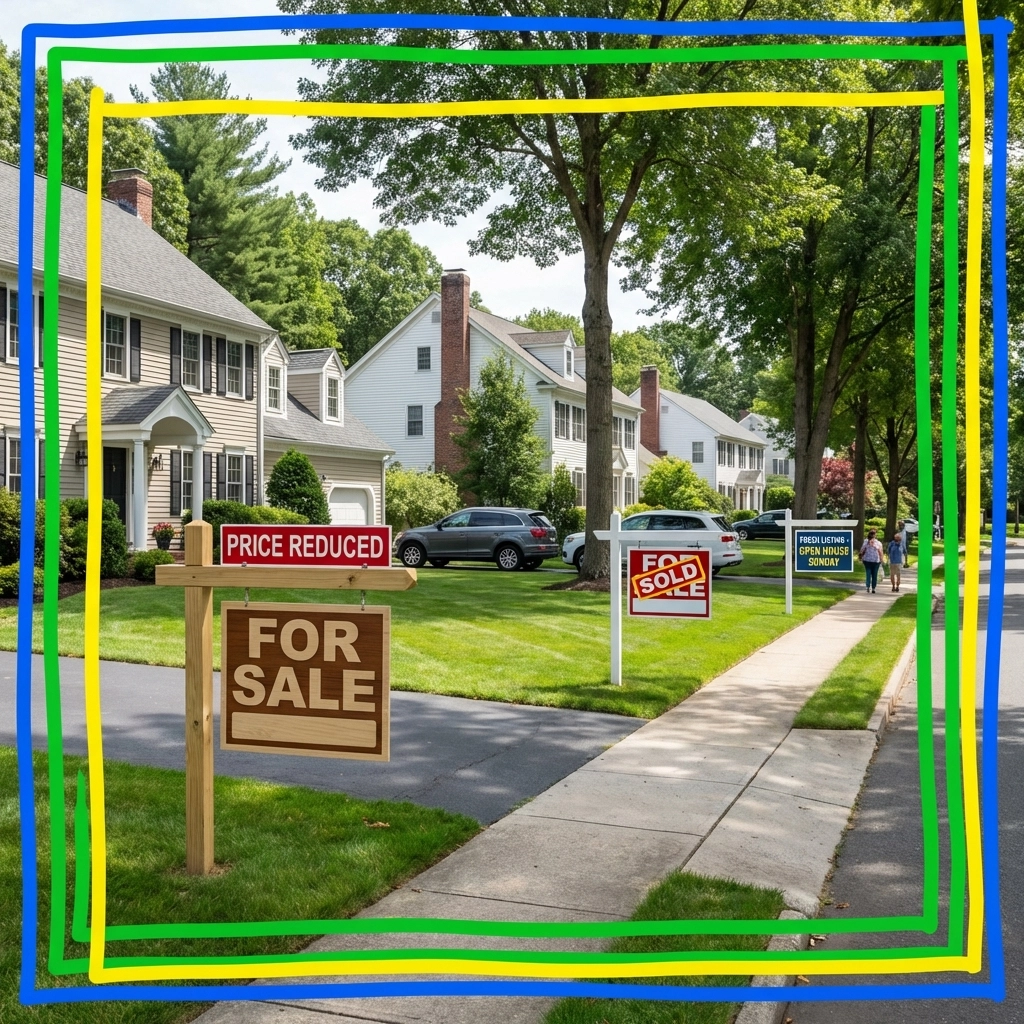
Connecticut home prices increased 8.7% year-over-year in November 2025, according to recent market data. Zillow reports a slightly more conservative 4.0% increase over the past year. While prices are still appreciating, this growth represents a notable moderation compared to the double-digit increases we saw during the pandemic boom years.
What This Means for You:
Sellers: Your home is likely worth more than last year, but don't expect the rapid appreciation of 2020-2022
Buyers: While prices aren't dropping, the rate of increase is becoming more manageable
Investors: Price growth forecasts of 3-4.5% through 2026 suggest steady but modest returns
The key insight here is that we're seeing price growth deceleration, not price declines. Your home isn't losing value – it's just not gaining value as quickly as before.
Sales Volume: The Real Story of Market Slowdown
While prices tell one story, sales volume reveals the market's true condition. Connecticut saw a 10.6% year-over-year drop in home sales in November 2025. This is where we really see the slowdown taking effect.
Additionally, the percentage of homes selling above list price dropped to 50.7% in November 2025, down 4.8 percentage points from the previous year. This shift indicates reduced buyer competition and more balanced negotiations between buyers and sellers.
What's Driving Lower Sales Volume:
Higher mortgage rates affecting buyer affordability
Economic uncertainty making buyers more cautious
Sellers holding off due to lack of suitable replacement homes
Seasonal market patterns intensifying normal winter slowdowns

Days on Market: Homes Taking Longer to Sell
Another clear indicator of a slowing market is how long homes stay listed before selling. While sources vary slightly, the median days on market in Connecticut has increased to approximately 41 days in November, up from 39 days the previous year.
This might seem like a small change, but in real estate, even a few extra days can signal shifting market dynamics. During the height of the seller's market, homes often sold within days of listing. Now, buyers have more time to consider their options.
For Sellers, This Means:
Plan for a longer marketing period
Price your home competitively from the start
Ensure your home shows well to stand out from increased competition
Be prepared for more negotiation on price and terms
For Buyers, This Means:
You have more time to make thoughtful decisions
Multiple offer situations are less common
You can negotiate on price, inspections, and closing dates
Don't rush – there will likely be other opportunities
The Inventory Puzzle: Still Too Few Homes
Despite the market slowdown, Connecticut still faces a significant inventory shortage. In November 2025, there were 10,001 homes for sale statewide, representing only a 0.59% decrease from the previous year. This tight supply continues to support home prices even as buyer activity declines.
The inventory situation creates an interesting dynamic: fewer buyers are competing for still-limited homes. This explains why we're seeing price growth moderation rather than price declines.
Regional Variations Across Connecticut
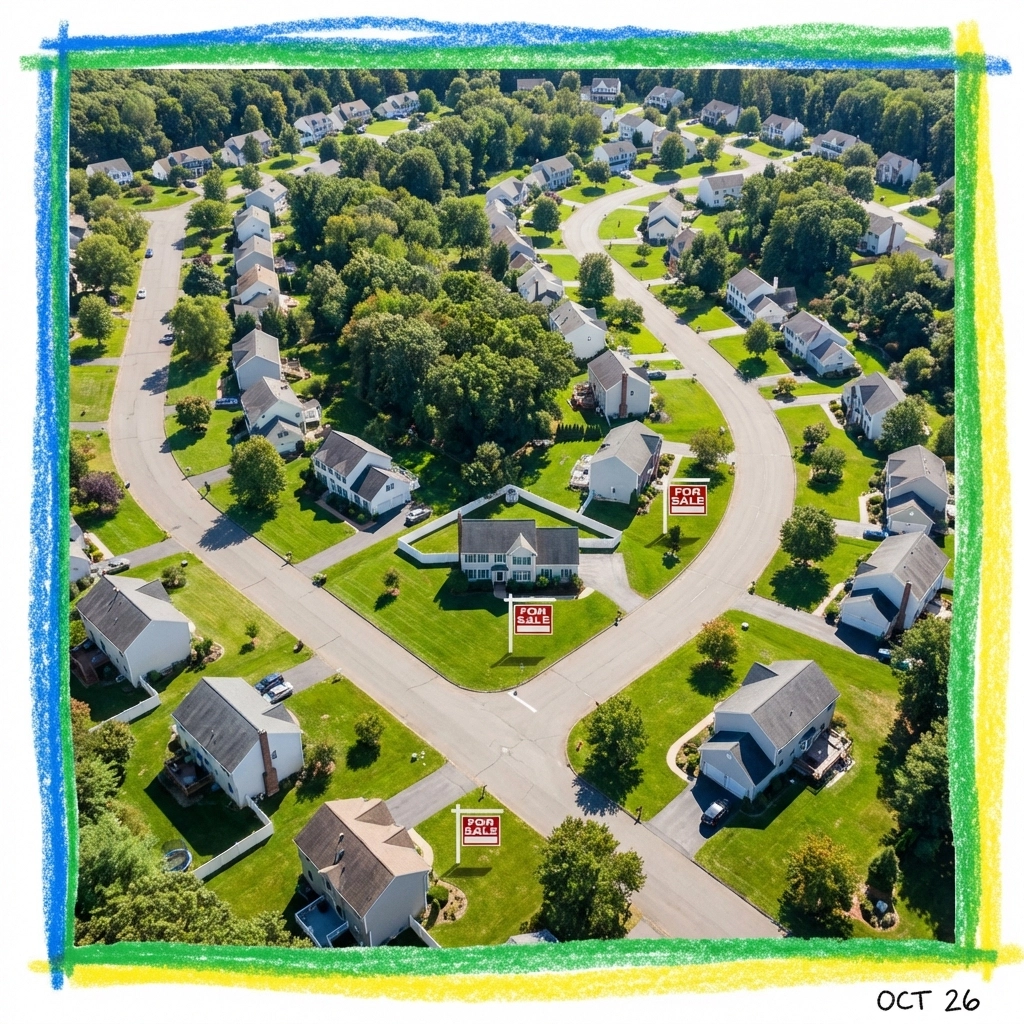
Connecticut's market doesn't behave uniformly across all areas. Fairfield County, with its proximity to New York City, often experiences different trends than rural areas in eastern Connecticut. Coastal communities may see different patterns than inland towns.
High-Demand Areas: Still experiencing competitive conditions with quicker sales
Suburban Family Areas: More balanced market with reasonable negotiation opportunities
Rural/Remote Areas: Potentially seeing more significant slowdowns as remote work flexibility decreases
What's Causing the Market Slowdown?
Several factors are contributing to Connecticut's housing market deceleration:
Economic Factors:
Federal Reserve interest rate policies affecting mortgage rates
Inflation concerns impacting consumer spending power
Economic uncertainty affecting major purchase decisions
Market-Specific Issues:
Lack of housing inventory preventing move-up buyers from selling
Construction costs keeping new development limited
Property tax concerns in certain Connecticut municipalities
Demographic Trends:
Millennial buyers facing affordability challenges
Baby boomer sellers staying in homes longer
Remote work policies becoming less flexible, affecting relocation patterns
Buyer's Market or Seller's Market?
Connecticut currently sits in a transitional phase – no longer the extreme seller's market of 2020-2022, but not quite a buyer's market either. We're moving toward what real estate professionals call a "balanced market."
Current Market Characteristics:
Sellers still have pricing power, but less than before
Buyers have more negotiating leverage than in recent years
Properties need to be competitively priced and well-presented
Both sides can achieve reasonable outcomes with proper strategy

Predictions for Connecticut's Market in 2026
Based on current trends and expert forecasts, here's what to expect:
Price Appreciation: Continued growth of 3-4.5% annually through 2026
Sales Volume: Likely to remain below peak years but may stabilize at current levels
Inventory: Expected to remain constrained, though may improve slightly
Days on Market: Probably will increase modestly as market continues normalizing
Strategies for Today's Market
If You're Selling:
Price your home based on recent comparable sales, not peak market values
Focus on home presentation and staging
Be prepared for longer marketing periods
Consider offering buyer incentives if needed
If You're Buying:
Take advantage of reduced competition
Don't rush your decision-making process
Negotiate on price, especially for homes that have been on market longer
Consider homes that might have been out of reach during peak competition
If You're Waiting:
Understand that dramatic price drops are unlikely given inventory constraints
Interest rate changes may create better opportunities than waiting for price declines
Market timing is difficult – focus on your personal circumstances
The Bottom Line
Connecticut's housing market is definitely slowing, not stabilizing. This creates opportunities for both buyers and sellers, though the strategies that worked during the pandemic boom no longer apply.
The key is understanding that a slowing market doesn't mean a crashing market. Prices continue rising, just more moderately. Sales are declining, but homes are still selling. The market is normalizing after several years of extraordinary conditions.
Whether you're buying or selling, success in today's Connecticut market requires realistic expectations, proper pricing, and professional guidance to navigate the changing conditions.
Frequently Asked Questions
Q: Should I wait for home prices to drop in Connecticut?
A: With continued inventory constraints and forecasted appreciation of 3-4.5% annually, significant price drops are unlikely. Focus on your personal circumstances rather than trying to time the market.
Q: Is now a bad time to sell my Connecticut home?
A: Not necessarily. While you may not see the extreme seller advantages of 2020-2022, properly priced homes are still selling. You'll need realistic expectations and strong marketing.
Q: How long will this market slowdown last?
A: Market cycles vary, but economists expect gradual normalization rather than dramatic changes. The timeline depends on interest rates, economic conditions, and inventory improvements.
Q: Are there still bidding wars in Connecticut?
A: Less frequently than before, but they still occur for well-priced homes in desirable locations. About 50.7% of homes still sell above asking price.
Q: Should I refinance or move in this market?
A: This depends on your current mortgage rate, home equity, and personal circumstances. Consult with a mortgage professional to evaluate your options.
Ready to navigate Connecticut's changing real estate market? Call me at 860-985-4363 or visit melindatherealtor.com for a free consultation. Never too busy for you to be my #1 client.
Sources
Redfin – Connecticut Housing Market Data
https://www.redfin.com/state/Connecticut/housing-marketZillow – Connecticut Home Value Index & Market Trends
https://www.zillow.com/home-values/9/ct/Connecticut REALTORS® – Statewide Market Statistics
https://www.ctrealtors.com/market-data/National Association of Realtors® – Market Research & Forecasts
https://www.nar.realtor/research-and-statisticsRealtor.com – Housing Market Forecasts & Regional Trends
https://www.realtor.com/research/