








Best Connecticut Towns for Commuters in 2026
Which Connecticut Towns Offer the Shortest Commutes to NYC?
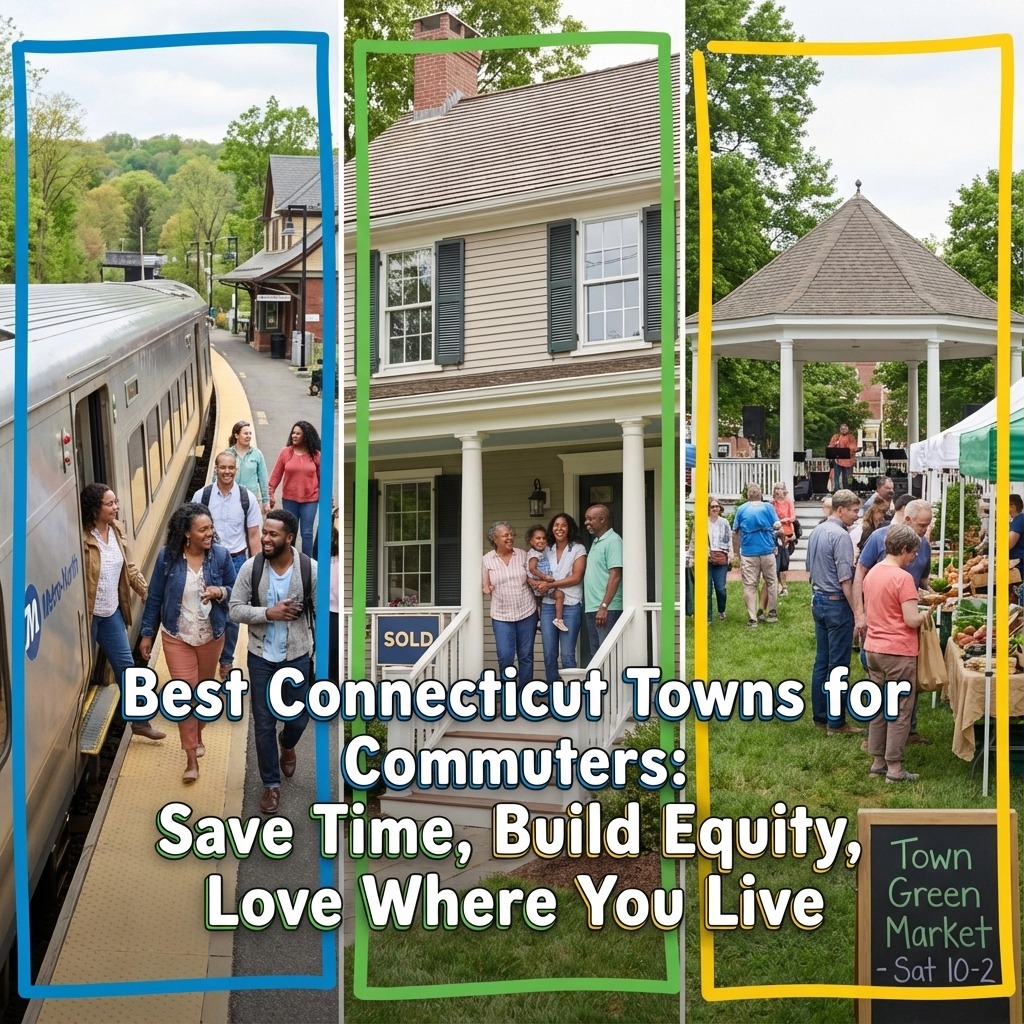
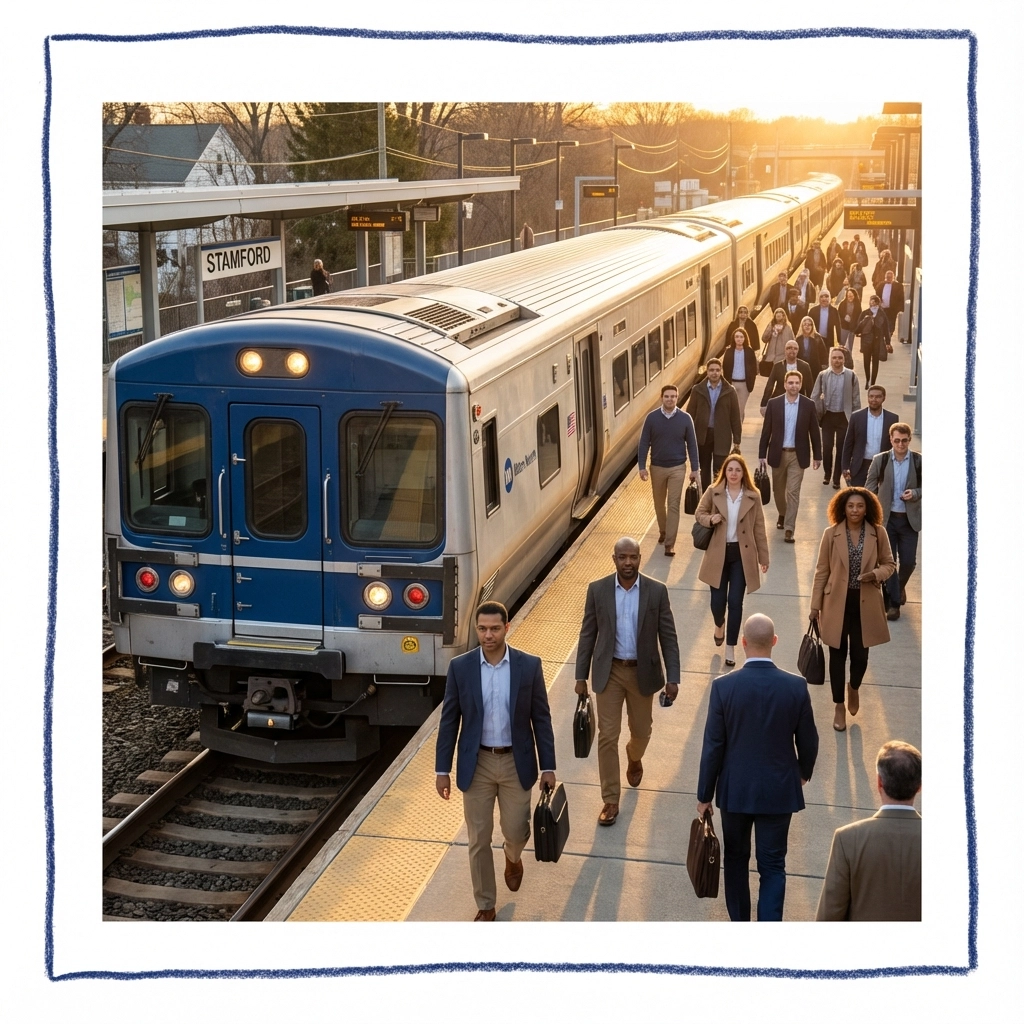
If you're looking to minimize your daily travel time to Manhattan, Greenwich stands out as the clear winner. With express trains reaching Grand Central Terminal in approximately 45 minutes, Greenwich offers three convenient stations: Greenwich, Cos Cob, and Riverside (Niche). The town sits on Metro-North's New Haven Line, which is Connecticut's busiest commuter rail route.
Norwalk comes in as a close second, with express trains to Grand Central taking about one hour. The city provides multiple station options, with South Norwalk serving as the main hub. This flexibility means you're never far from a train, whether you're living downtown or in the surrounding neighborhoods.
For slightly longer but still reasonable commutes, Westport and New Canaan offer excellent options. New Canaan Branch trains average around 70 minutes to NYC, while Westport provides similar timing with the added benefit of coastal living and top-rated schools.
What Are the Best Value Towns for Building Equity?
Norwalk has quietly become one of the most attractive markets for equity building in Fairfield County. The city has transformed its downtown area with new restaurants, shopping, and waterfront development, while maintaining more affordable entry points than premium coastal towns like Greenwich or Westport.
Bridgeport represents perhaps the strongest opportunity for future appreciation. With direct train access to NYC and ongoing downtown revitalization projects, the city offers affordable housing with significant upside potential. Recent waterfront development and urban renewal initiatives are positioning Bridgeport as Connecticut's next growth story.
West Haven provides excellent value for buyers seeking coastal living without premium pricing. The town offers shoreline access at a fraction of the cost compared to similar coastal communities like Milford or Branford, making it particularly attractive for first-time buyers and young families.
Which Towns Combine Great Commutes with Excellent Quality of Life?
West Hartford consistently ranks as Connecticut's #1 place to live according to Niche, earning an A+ grade with its combination of excellent schools, vibrant downtown, and community-oriented lifestyle. While primarily serving Hartford commuters, the town also provides reasonable access to NYC via I-84 connections.
Milford offers the perfect balance for those working in multiple locations. The town features a downtown train station providing direct access to both Fairfield County and NYC, while offering beaches, nightlife options, and suburban comfort. This dual accessibility makes it ideal for couples with different commute destinations.
Simsbury and Glastonbury both earn A+ ratings for family-friendly living, offering excellent schools, safe neighborhoods, and strong community engagement while maintaining reasonable commute times to both Hartford and NYC.
If you're relocating, learning more about living in Connecticut in 2026 can help you compare lifestyle, affordability, and long-term opportunities across the state.
What Transit Options Beyond Metro-North Should Commuters Consider?
While Metro-North dominates Connecticut commuting, several towns offer excellent highway access for those preferring to drive or use bus services. Cheshire, Wallingford, and North Haven provide easy I-84 access, making them ideal for commuters heading to Hartford or those who prefer driving to NYC.
For New Haven area workers, towns like Orange, Woodbridge, and Bethany offer nature-focused living with minimal commute times to the city. These communities typically feature larger lots, excellent schools, and quieter suburban settings.
Fairfield combines multiple transportation options, offering both train access and highway convenience via I-95, making it flexible for various commute patterns.
Other Factors That Affect Your Daily Commute
In addition to travel time, buyers should also consider:
Parking availability at train stations.
Monthly commuter costs.
Traffic congestion during peak hours.
Remote work flexibility.
Future transportation improvements.
Access to major highways and airports.
A shorter commute isn't always the most convenient option if other transportation factors don't fit your lifestyle.
How Do Housing Costs Compare Across Top Commuter Towns?
Housing costs vary significantly across Connecticut's commuter towns, with proximity to NYC and local amenities driving price differences. Greenwich commands premium prices due to its express train service and prestigious reputation, while towns like Bridgeport and West Haven offer more affordable entry points.
Reviewing Connecticut real estate market trends for 2026 can help buyers understand how home prices vary across different regions of the state.
Mid-range options like Norwalk, Milford, and West Hartford provide good value propositions, balancing reasonable housing costs with strong amenities and commute options. These markets have shown steady appreciation while remaining accessible to middle-income families.
Premium markets including Westport, New Canaan, and Weston cater to higher-income commuters seeking luxury amenities, top-tier schools, and prestigious addresses. While expensive, these markets typically offer strong property value stability and appreciation potential.
Before comparing towns, it's helpful to understand how much money you need to buy a home in Connecticut so you can establish a realistic budget. Many first-time buyers exploring commuter towns may also qualify for Connecticut first-time homebuyer programs that can reduce upfront costs. The CHFA homebuyer program may help eligible buyers purchase homes in many Connecticut commuter communities with less money upfront.

Which Towns Offer the Best Schools for Families?
Connecticut's top commuter towns generally feature excellent public school systems, with several earning national recognition. West Hartford, Simsbury, and Glastonbury consistently rank among the state's best districts, offering comprehensive academic programs and extracurricular opportunities.
Coastal communities like Westport, Fairfield, and Milford combine strong academics with unique environmental education opportunities, taking advantage of their shoreline locations. These districts often feature marine science programs and outdoor learning initiatives.
For families prioritizing both schools and commute convenience, Norwalk and Greenwich offer excellent educational options while maintaining express train access to NYC. Both districts have invested heavily in modernizing facilities and expanding STEM programs.
What About Lifestyle and Community Features?
Beyond commuting and schools, Connecticut's top towns offer diverse lifestyle opportunities. Coastal communities like Westport, Fairfield, and Milford provide beach access, sailing, and water sports, perfect for families seeking outdoor recreation.
Norwalk has emerged as a cultural hub, with a revitalized downtown featuring restaurants, breweries, and entertainment venues. The city's maritime aquarium and annual Oyster Festival highlight its coastal heritage while embracing modern urban amenities.
West Hartford offers perhaps the most vibrant suburban downtown in Connecticut, with Blue Back Square providing shopping, dining, and entertainment within walking distance of residential neighborhoods. The town's commitment to walkability and community events creates a strong sense of place.
How Will Future Development Impact Commuter Towns?
Several Connecticut commuter towns are experiencing significant development that could impact future appeal and property values. Bridgeport's ongoing downtown revitalization includes mixed-use developments and waterfront improvements that could dramatically improve the city's profile.
Understanding how much Connecticut homes are worth today can help buyers evaluate future appreciation opportunities in developing communities. Before purchasing in a growing community, buyers should also understand Connecticut zoning rules that could affect future development and property use.
Norwalk continues expanding its downtown core with new residential and commercial projects, potentially making it even more attractive to commuters seeking urban amenities with suburban comfort.
Transportation improvements, including potential Metro-North service enhancements and electric vehicle infrastructure, may also influence the relative appeal of different commuter towns in coming years.
Ready to find your perfect Connecticut commuter town? As your local expert, I can help you navigate the market and find a home that balances your commute needs with your lifestyle goals. If you're buying a home in Connecticut's competitive market, preparation and local expertise can make a significant difference when the right property becomes available.
Reach out to me today! Call me at 860-784-7214 for a free consultation. Never too busy for you to be my #1 client!
FAQs
What's the average commute time from Connecticut to NYC?
Express trains from towns like Greenwich take 45 minutes, while most other Metro-North towns range from 1-1.5 hours to Grand Central Terminal.
Which Connecticut town offers the best value for first-time homebuyers?
Bridgeport and West Haven currently offer the most affordable entry points with good commute access, while Norwalk and Milford provide mid-range options with strong appreciation potential.
Are there good commuter towns for families with children?
Yes, West Hartford, Simsbury, Glastonbury, Westport, and Fairfield all combine excellent schools with reasonable commute options and family-friendly communities.
What's the most affordable way to commute from Connecticut to NYC?
Metro-North monthly passes typically offer the best value for regular commuters, with costs varying by distance from the city.
Which towns have the best downtown areas for nightlife and dining?
Norwalk and West Hartford have the most vibrant downtown scenes, while Milford and Fairfield offer good restaurant options with coastal charm.
Related Articles
Is Living in Connecticut Worth It in 2026?
https://melindatherealtor.com/post/is-living-connecticut-worth-it-2026
Explore the lifestyle, affordability, and opportunities available across Connecticut communities.Connecticut Real Estate Market Trends 2025-2026
https://melindatherealtor.com/post/connecticut-real-estate-market-trends-2025-2026
See how home prices and inventory compare throughout Connecticut.CT Home Buying Costs: Real Numbers for 2026 Buyers
https://melindatherealtor.com/post/how-much-money-buy-home-connecticut
Estimate the true cost of buying before selecting your ideal commuter town.Connecticut First-Time Homebuyer Programs for 2026
https://melindatherealtor.com/post/first-time-homebuyer-ct-programs-2026
Discover grants and assistance programs that may help make commuting communities more affordable.New Buyers 2026: Win Connecticut's Competitive Market
https://melindatherealtor.com/post/new-buyers-2026-win-connecticut-competitive-market
Learn how to compete successfully when buying in today's Connecticut housing market.What Are Zoning Rules in Connecticut Towns?
https://melindatherealtor.com/post/what-are-zoning-rules-connecticut-towns
Understand how local zoning regulations can influence future development and property use.
Sources
Connecticut Department of Transportation (CTDOT) – Rail Service
https://portal.ct.gov/dot/publictrans/bureau-of-public-transportation/rail-services
Supports Metro-North service, Connecticut rail stations, and commuter rail information.Metro-North Railroad (MTA) – New Haven Line Schedules & Fares
https://new.mta.info/agency/metro-north-railroad
Supports commute times, station locations, and service to Grand Central Terminal.Niche – Best Places to Live in Connecticut
https://www.niche.com/places-to-live/search/best-places-to-live/s/connecticut/
Supports community rankings, school quality, and overall quality-of-life ratings.U.S. Census Bureau – American Community Survey (ACS)
https://www.census.gov/programs-surveys/acs
Supports population trends, commuting patterns, and demographic information.Connecticut Office of Policy and Management (OPM)
https://portal.ct.gov/opm
Supports statewide planning, transportation, housing, and community development information.