









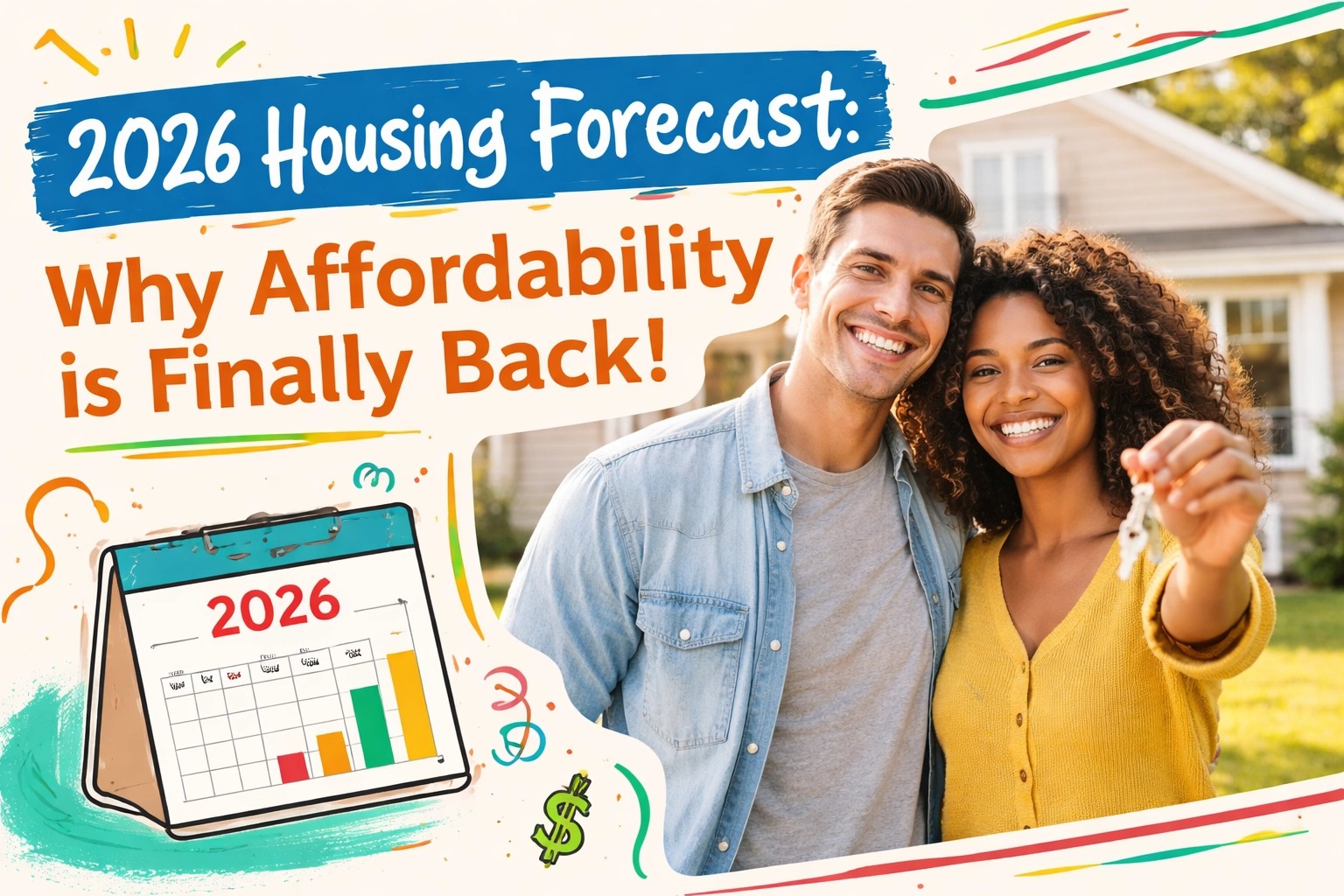
2026 Housing Forecast: Affordability Returns
Wondering what to expect from the housing market in 2026? You're definitely not alone. For the past few years, affordability has been the biggest barrier standing between most people and their next move. And a lot of buyers and sellers have been holding their breath waiting for things to get better.
The good news? It's finally happening.
In 2025, affordability was the best it's been in three years. And experts agree the momentum will keep going in 2026. This isn't just wishful thinking: it's based on careful analysis of the key factors shaping the housing market in the year ahead: mortgage rates, inventory, and home prices.
Let's break down what the experts are saying and what it means for you.
Lower Mortgage Rates Are Already Here
Mortgage rates have already come down from their peak. By some counts, they dropped by almost a full percentage point over the course of the last year. And that's a big deal, even if it doesn't sound like it.
But how low will they go? And should you wait for them to come down more?
Here's your answer: Forecasts suggest they'll stay pretty much where they are now and hover in the low 6% range throughout 2026. According to industry projections, the 30 year fixed rate is forecast to average around 6.3% in 2026, down from 6.6% in 2025 (Realtor.com).
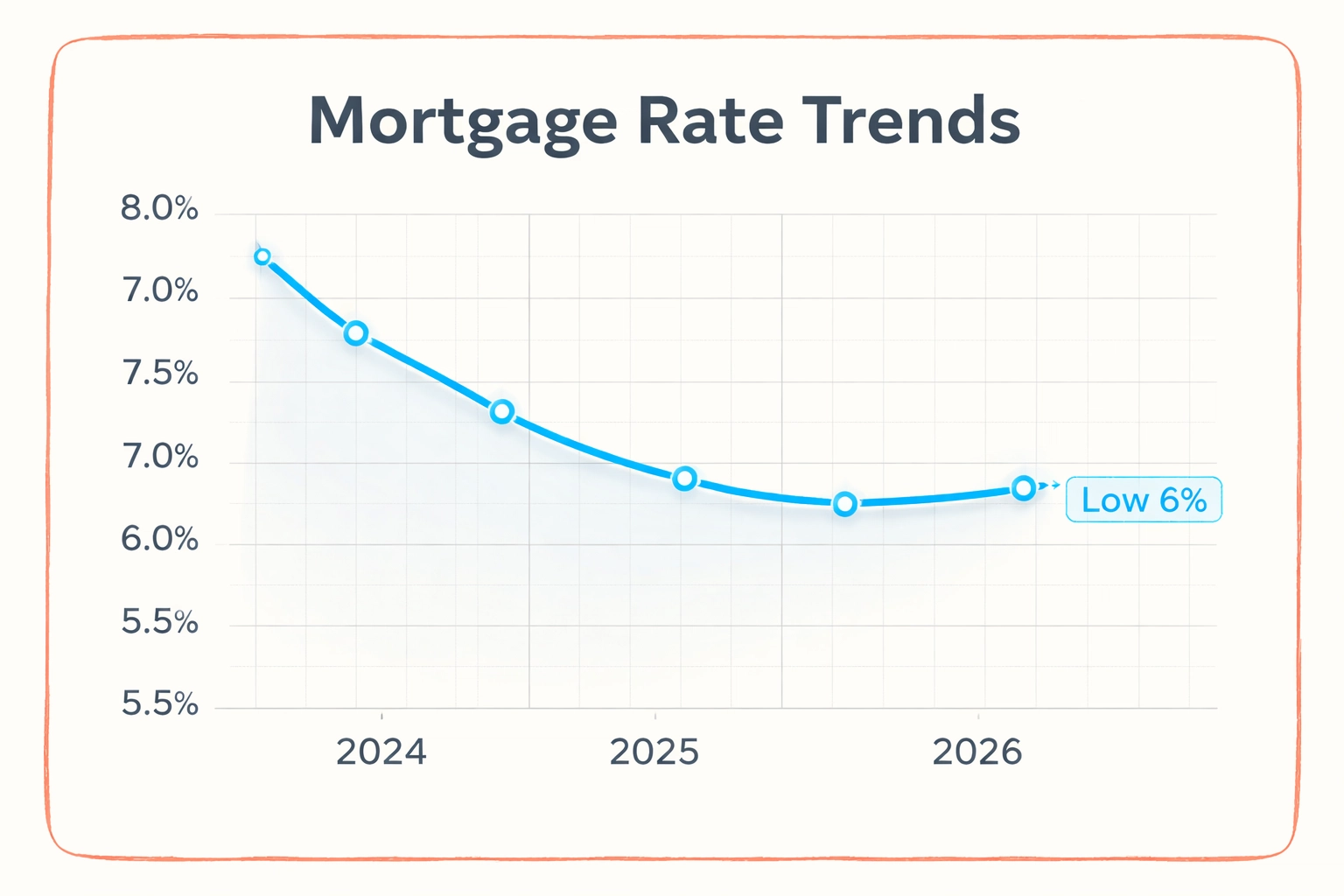
Where rates go from here really depends on what happens with the economy, the job market, and any changes in monetary policy the Fed makes in the year ahead. The important thing is, they're already lower than they were just one year ago, and that's ideal if you're planning a 2026 move.
What This Means for Buyers
A lower rate reduces monthly payments and increases buying power. That combo helps more people qualify for homes that previously felt just out of reach. Even a half point drop can save you hundreds of dollars each month on your mortgage payment.
What This Means for Sellers
It may be time to accept that rates in the 6s are the new normal. And if you need to move, it's doable, especially with the equity you've built up over the past few years. Many homeowners are sitting on significant equity gains that can make the transition to a new home much smoother than expected.
Even More Options Are on the Way
In 2025, the number of homes for sale improved by about 15%. As inventory rose, buyers regained things they hadn't had in years: options, time to consider those options, and negotiating leverage. That helped restore more balance to the housing market.
Not to mention, the inventory gains are a big piece of what's helped price growth slow down: which in turn improves affordability.
While the inventory gains this year aren't expected to be as steep, experts at Realtor.com say the supply of homes for sale should grow by another 8.9% this year.
What This Means for Buyers
More choice and more negotiating power. You won't feel as rushed to make decisions, and you'll have better opportunities to find a home that truly fits your needs and budget.
What This Means for Sellers
Pricing your house right will be essential to draw in buyers. With more competition on the market, homes that are overpriced will sit longer. Working with an experienced agent to nail your pricing strategy from day one is more important than ever.
Home Price Growth Is Slowing to a More Sustainable Pace
With more homes for sale, there isn't as much upward pressure on prices right now. And we've seen that shake out over the past year. Even so, the overwhelming majority of experts say, nationally, prices will continue rising in the year ahead: just at a slower pace.
On average, they say prices will rise by about 1.6% in 2026.
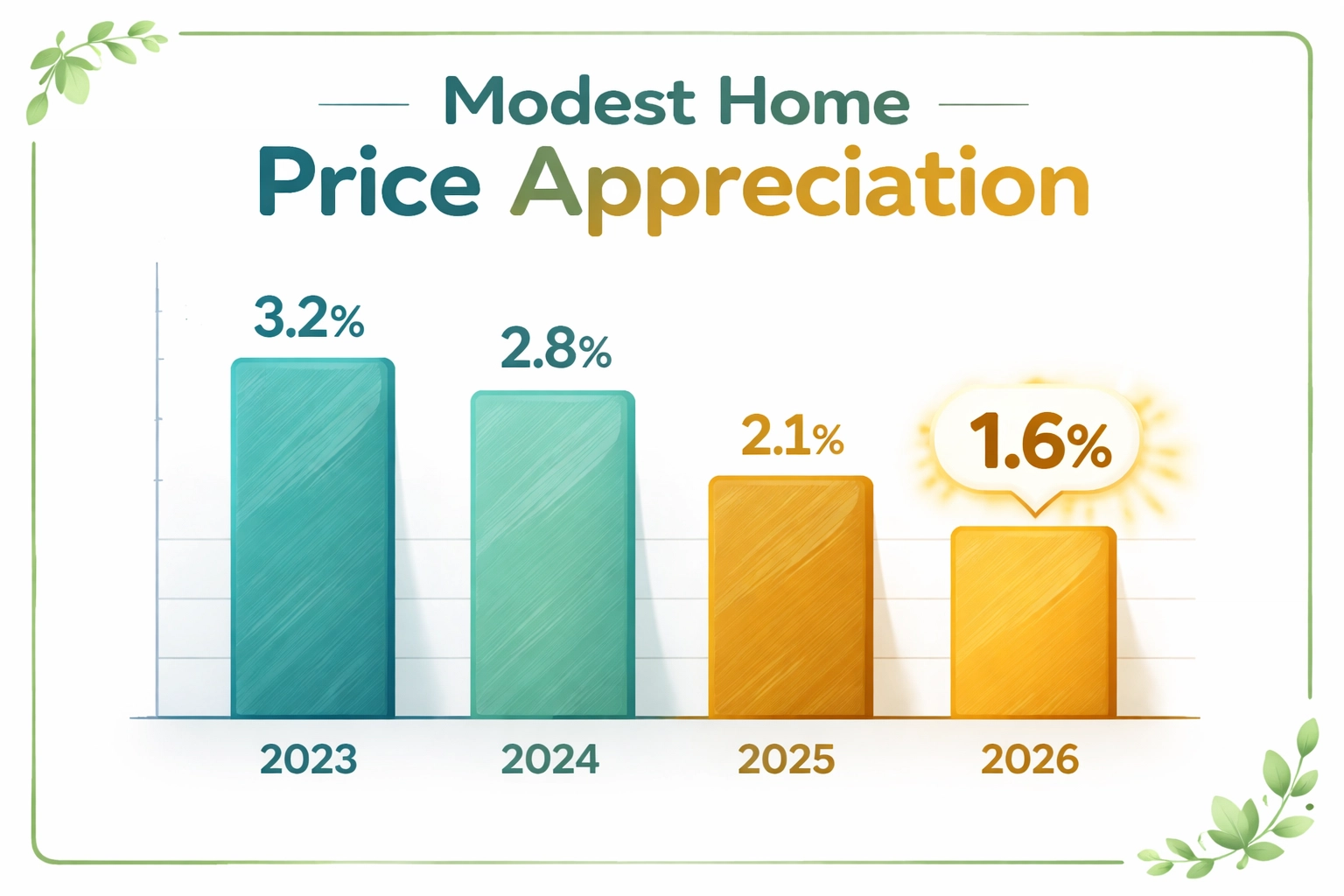
And that's reassuring if you've been fed content on social media saying prices are going to come crashing down. But here's what you need to remember most about this: it's going to vary a lot by area.
So, lean on a local agent for the latest on what's happening where you are. Some markets will see prices rise more than this. Others may see prices come down slightly. It really all depends on conditions in your local market.
But overall, prices will continue to rise at the national level. And that's good for the market as a whole. As Realtor.com explains:
> "For homebuyers and sellers, the shift signals a more balanced market: one where price growth steadies, rate relief offers breathing room, and negotiating power tilts subtly toward buyers."
What This Means for Buyers
Expect more moderate price growth, not the sudden and intense spikes we saw just a few short years ago. That gives you fewer surprises and more predictability, which makes budgeting a whole lot easier.
What This Means for Sellers
This slower price growth restores balance without putting your equity at risk. And that's a win. Your home is still appreciating; it's just happening at a healthier, more sustainable pace.
More Homes Will Sell in 2026
All of this adds up to a better affordability equation in 2026. And that's exactly why experts are saying we should see more homes sell (and more people buy) this year.

As Mischa Fisher, Chief Economist at Zillow, says:
> "Buyers are benefiting from more inventory and improved affordability, while sellers are seeing price stability and more consistent demand. Each group should have a bit more breathing room in 2026."
The typical mortgage payment as a share of median income is projected to fall to 29.3% in 2026: the first time below the 30% affordability threshold since 2022. This represents a meaningful improvement from 2025 and signals that incomes are finally starting to catch up with housing costs.
In fact, incomes are expected to rise 3.6% to 4% while home prices grow only 1% to 2.2%: the first sustained period of income growth exceeding price growth since the financial crisis.
The Bottom Line: 2026 Offers Real Opportunity
Affordability won't change suddenly overnight. But with several key trends working together, it should slowly and steadily improve in the months ahead.
That's exactly why, in 2026, you should see a market with more balance, more predictability, and more breathing room than you've had in years.
The bottom line is, more people are finally going to be able to make their move this year. So, the question is: will you be one of them? The market is giving you an opportunity you haven't had in a while. Maybe it's time to take advantage of it.
Ready to see what this means for you? Call me at 860-985-4363 or visit melindatherealtor.com for a free consultation. Never too busy for you to be my #1 client.
Frequently Asked Questions
Will mortgage rates drop below 6% in 2026?
Most experts don't expect rates to drop significantly below the low 6% range in 2026. Where rates go depends heavily on economic conditions, inflation, and Federal Reserve policy. The consensus is that rates will stabilize around 6.3% throughout the year.
Is 2026 a good year to buy a home?
For many buyers, 2026 presents better conditions than the past few years. With improved inventory, more moderate price growth, and slightly lower mortgage rates, buyers will have more options and negotiating power than they've had recently.
Will home prices drop in 2026?
Nationally, home prices are expected to continue rising, but at a slower pace of around 1.6%. Some local markets may see slight price decreases, while others may see higher appreciation. It's essential to work with a local agent who understands your specific market.
What does "affordability" mean in real estate?
Affordability refers to the relationship between home prices, mortgage rates, and household income. A market is considered more affordable when the cost of buying a home takes up a smaller percentage of a typical household's income.
Should I wait to sell my home in 2026?
If you need to move, 2026 offers a balanced market with steady demand. Pricing your home correctly from the start will be crucial. With more inventory available, buyers have more choices, so working with an experienced agent to position your home competitively is key.
Sources
Realtor.com® – 2026 Housing Forecast (Rates, Prices, Inventory, Affordability)
https://www.realtor.com/research/Zillow Economic Research – Mortgage Rates, Income Growth & Affordability Outlook
https://www.zillow.com/research/John Burns Research & Consulting (JBREC) – Housing Supply, Demand & Price Projections
https://www.jbrec.comNational Association of Realtors® – Home Price Forecasts & Buyer Affordability Metrics
https://www.nar.realtor/research-and-statisticsFederal Reserve Economic Data (FRED) – Mortgage Rates & Income Trends
https://fred.stlouisfed.org